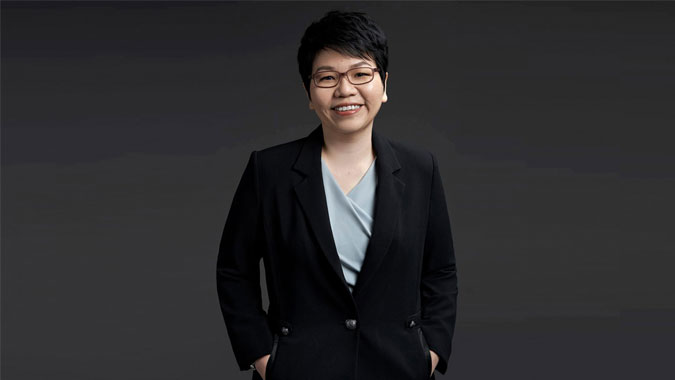
A trained engineer and industry veteran of 30 years, Ms Yong has witnessed plenty of
change, particularly when it comes to inclusivity for women. But while progress has
been made to strengthen female participation, women are still greatly
underrepresented in STEM industries; as of 2023 only 29.2% of the STEM workforce
globally are female.1 The insurance industry paints a more complex
picture, with women making up 60% of the workforce, but only 19% and 12% of
board-level and C-suite positions.2
That women are a minority in these industries is not surprising, according to Ms
Yong, currently the operations vice president and FM approvals manager of new
business for APAC at insurance firm FM. Despite the successes on her journey, she's
clear-eyed about the obstacles that still impede women's progress in science and
technology fields.
Outdated perceptions that men are more
suited to engineering work persist, as well as to the realities of the day-to-day.
"Engineering is traditionally perceived as a boring, unglamorous job," says Ms Yong.
"But it's actually quite varied. One moment you might be sinking in cement, and the
next you’re in an environment that's so sterile you need overalls."
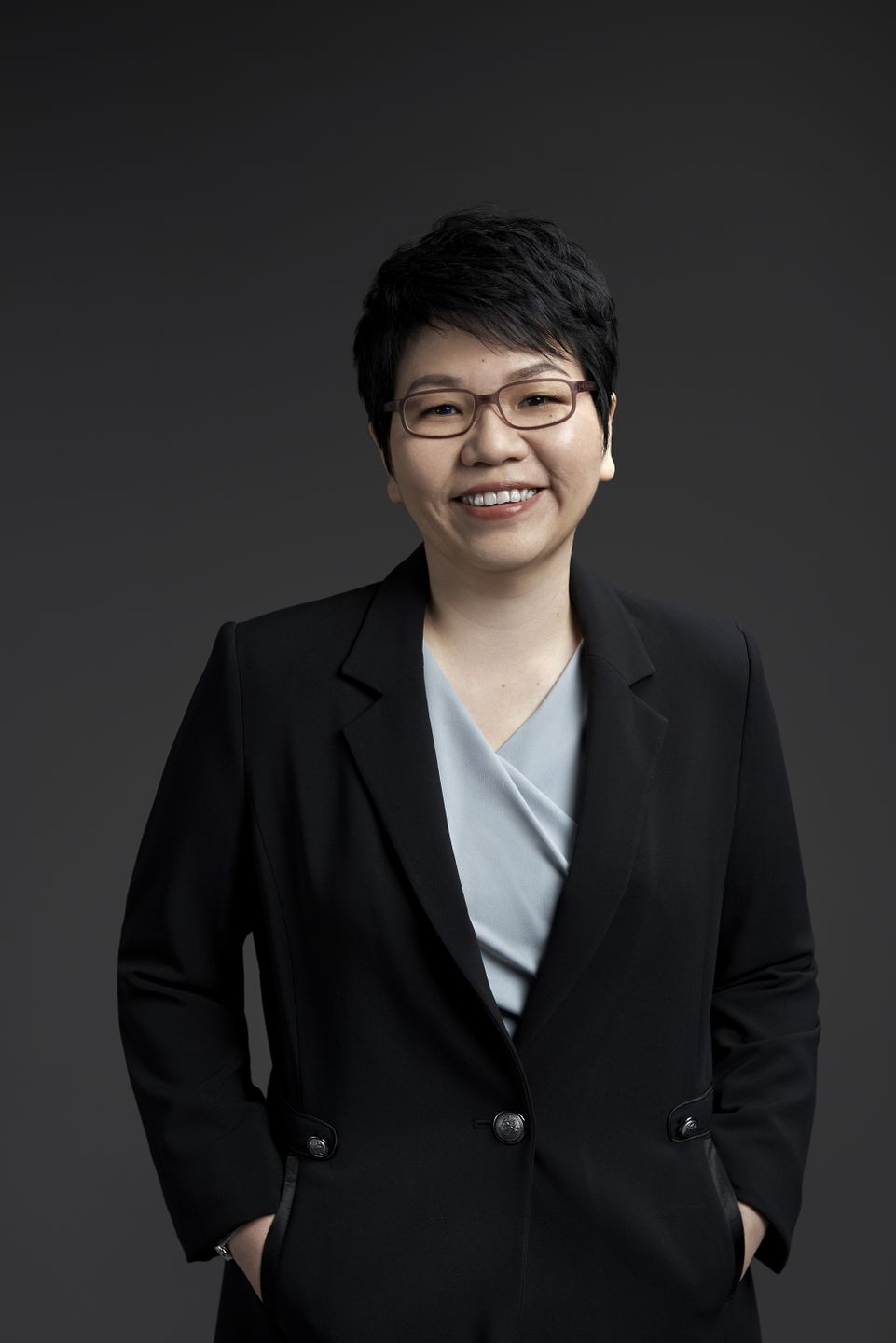
"Engineering is traditionally perceived as a boring,
unglamorous job. But it's actually quite varied. One moment you might be
sinking in cement, and the next, you’re in an environment that’s so sterile
you need overalls."
— Yong Seek Ying,
vice president of operations and approvals manager of new business
(APAC), FM
Women also face significant hurdles in juggling professional and personal life
responsibilities, especially working mothers like Ms Yong. "The biggest challenge
for me has been striking a balance between family and my career. When I first joined
FM, I was single, but now I have two children," she shares, recalling a challenging
time in 2010 when her newborn daughter was hospitalised and required round-the-clock
care for a year.
Part of the problem, she says, is that women are often expected to 'have it all' and
be everything to everyone, even when it's not possible. "If you can't do it, then
the guilt kicks in and we tend to make it hard on ourselves."
While these challenges still exist, change is coming thanks to pioneers like Ms
Yong, who offer young women a vision of what a career in STEM could look like and
catalysing further improvement down the line.
A maverick spirit
For Ms Yong, the turning point of her
career came early when she first met with FM engineers as a safety engineer herself.
She still remembers how they stood out from others in the field with their unique
approach to insurance.
"You could see the difference in their
intent and how they did certain things," she says. In particular, she was drawn to
FM's reliance on scientific research and engineering solutions to deliver results
that, to her, distinguished them from competitors.
So, when an opportunity opened up to work
with FM as the company expanded in Asia, Ms Yong, based in Singapore, jumped at it.
Twenty-four years later and counting, she has rotated through technical and people
manager roles, and has overcome the various glass ceilings that once could have
prohibited her progress.
Ms Yong attributes this professional
success to FM's maverick spirit, which matched her own boundary-breaking story. She
bought whole-heartedly into the company’s philosophy that a majority of loss is
preventable, and that insurance contributes to the greater good. This is something a
particularly formative experience in 2017 cemented for her, when Hurricanes Irma and
Maria devastated the island of Puerto Rico. One of FM's clients, a major medical
supplier, was able to withstand the damage, unlike other neighbouring buildings. "It
was doubly rewarding because the company was able to continue providing medicines at
a time of great need," she says.
Pioneering change
FM's willingness to buck convention isn't
limited to its business; it is also reflected in its approach to gender diversity.
Ms Yong says the cohort she joined featured more women than men, an unusual
occurrence 20 years ago, much less today, where women are still catching up with the
global engineering workforce.3
She is of the view that FM's success with
promoting gender diversity in its workforce reflects the organisation's belief that
performance is more important than gender or race. "People who can wear different
hats are intrinsic to how FM hires," says Ms Yong, pointing to the company's
founder, Zachariah Allen, a polymath with a varied career. "We're not just willing
to hire people who are new to the industry, but also invest resources to train them
in the right direction."
"To expand its pool of female engineering talent, for
example, FM engages in "very purposeful outreach" through internships and
its global membership with the Society of Women Engineers (SWE). These
steps signal that we embrace diversity and are in touch with issues that are
close to the heart for a segment of our engineers."
— Yong Seek Ying,
vice president of operations and approvals manager of new business
(APAC), FM
To expand its pool of female engineering
talent, for example, FM engages in "very purposeful outreach" through internships
and its global membership with the Society of Women Engineers (SWE). "These steps
signal that we embrace diversity and are in touch with issues that are close to the
heart for a segment of our engineers," she says.
Ms Yong herself participates in
recruitment exercises on university campuses and forums to share her experience, and
to act as a role model for female undergraduates. This is her way of encouraging
more female STEM talent to join the industry and set them up to become successful
leaders, a reflection of the experience she had when she first joined FM.
Leading the way
A diverse workforce begets real business
benefits. Research has shown that companies with women leaders are more profitable,
socially responsible and provide higher-quality customer experiences.4
Improving gender diversity, however, goes beyond just hiring women; it's also about
supporting those already in the workforce and helping them reach their
full potential.
For Ms Yong, FM's support was invaluable
throughout her child's year-long medical ordeal in 2010, when she had been able to
work with her manager to move into an office-based role, enabling her to focus on
another important role, as a carer. These adjustments "made it possible to manage
work demands and feel valued."
As a testament to the effectiveness of
FM's approach, Ms Yong has since ascended into a leadership role. "I'm no longer
just rowing the boat but determining the direction," she says. "I've become a
lighthouse, guiding operations from afar." And from this vantage point, Ms Yong will
be looking to pioneer further change, particularly in gender diversity.
In her experience, women bring fresh
perspectives and varied strengths, such as "a more measured approach" to problem
solving. "That's important when you need a group that can process data and provide
solutions," Ms Yong says. "I use the analogy of a symphony orchestra—you need
different musical instruments to bring out the music, and the magic comes when
everyone puts their heart into it."