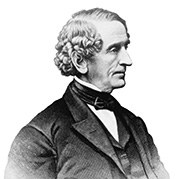
"Look back to the past for instruction and forward to the
future
for improvement"
— Zachariah
Allen, founder of FM
The story of
FM, spanning nearly 200 years, can in many ways be encapsulated in one
word: partnership.
1830s America
was a very different place. Andrew Jackson was president, and the total US
population
was just under 13m across only 26 states. The country was moving westward with the
first wagons
crossing the Continental Divide on the Oregon Trail. The patent for the first US
electronic motor was
awarded, and the telegraph had its first public demonstration. The lightbulb,
telephone and car were
still over 50 years away. Invention, progress and profit were very much the drivers
of the times.
Along the banks of the Woonasquatucket River, a Rhode Island textile
mill-owner named
Zachariah Allen embraced the notion of partnership, and quietly revolutionised
business ownership―and
risk―displaying a vision well ahead of the times.
Like so many great innovators, Zachariah had a long CV: scientist,
lawyer, writer,
inventor and civic leader. And like so many great innovations, Zachariah’s work
stemmed
from rejection.
The logic was sound. Instead of sitting back and letting fate run its course, he
began making
improvements and adjustments to his mill in the name of making it more resilient to
fire and reducing
the chance of loss.
Alex Tadmoury,
executive vice-president with 34 years of service at FM, is an admirer. “In those
days
of manufacturing, losing an entire mill to fire was common. Allen built his with
then unheard-of
devices that were incredibly advanced for the time.” Along with stone construction,
the mill included
a sprinkler system, heavy fire doors, a hydrant, a rotary fire pump and a
copper-riveted fire hose―the
first to be used in a US textile mill. In addition, Allen built a heavy firewall
separating the picker
room―an area filled with highly flammable cotton fibres―from the rest of the mill.
Finally, he roofed
the structure with slate shingles set in mortar.
Naturally, he
thought a reduction in his insurance premiums was, as they said in the French
colonies,
a fait accompli. To Allen’s astonishment, he was turned down.
Mr Tadmoury,
who oversees operations for EMEA, Asia Pacific, Canada and specialty industries, as
well
as FM Affiliated, FM’s middle-market insurance division, adds: “The insurance
industry of the early
nineteenth century, much as is the case today, depended on the premiums paid by
those considered to be
good risks to subsidise those considered poor risks. There was no consideration of
loss experience or
potential in their determination of premiums.”
Zachariah had a
few choices in response. Appeal, get angry, or even surrender?
No, he
chose partnership.
Knowing he was not alone, he met and joined forces with other
like-minded mill-owners
in the area to establish a company that would provide insurance to “only those
manufacturing
facilities of the finest construction and the highest degree of maintenance and
quality”, according
to Allen.
The premise was simple, and in many ways has not changed to this day: work
collaboratively to mitigate
any risks, thus reducing future loss potential.
Each mill
insured by his new firm was inspected annually,
and working together all the mills
installed every available modern device for protection against fire loss. Allen’s
groundbreaking
business model was a partnership, between insurers and insured in loss prevention,
and established
what became known as the Factory Mutual System, now known as FM.
Mr Tadmoury
notes: “Interestingly, all this partnership
also made excellent business sense. Client
owners enjoyed an average 50% reduction in premiums compared with the premiums of
other insurance
companies―and suffered fewer losses.”
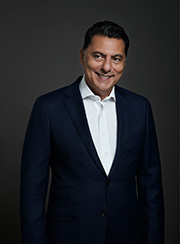
"Interestingly, all this partnership also made excellent
business sense"
— Alex
Tadmoury, executive vice-president at FM
Fast forward
to today, and FM has
certainly moved beyond
Rhode Island textile
mills; it currently operates in more than 150 countries globally with over 5,500
employees. Its
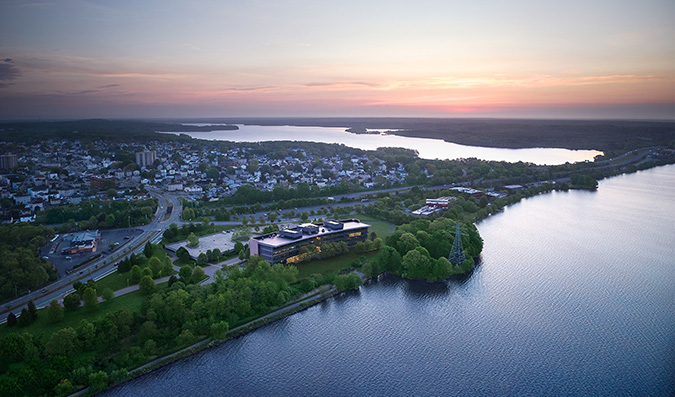
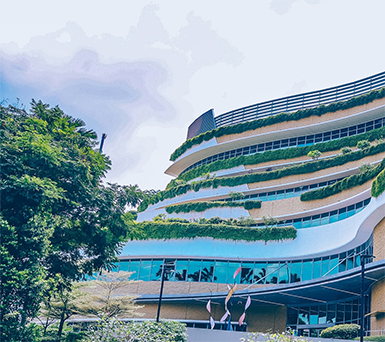
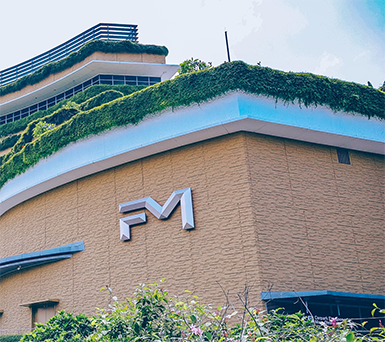
648-hectare Research Campus in West Glocester, Rhode Island, and the recently opened
FM Global Centre,
a SGD$80m client-centred experiential risk-management facility in Singapore’s
Science Park, conduct
testing in fire, electrical, climate and explosion hazards. These tests range from
witnessing the
difference in how products burn to how construction components perform in hurricane,
hail and other
severe weather conditions. This is also where third parties can find resources for
certification of
their industrial and commercial products, under FM Approvals.
And the
partnership and innovation continue, with the 2024 announcement of FM’s largest-ever
membership credit of approximately US$1.4bn, along with 2023’s $357m FM Resilience
Credit to support
client investment in climate-resilience solutions. FM has now returned more than
$6.5bn in membership
credits to policyholders since 2001.
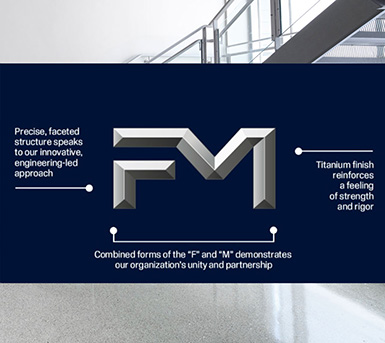
This year has also seen a makeover and
updated look at FM ,
with a revised logo,
bespoke fonts and vibrant colours. It’s a brand-new visual identity to unify the
business and leverage
the singular "FM"
name into the next chapters of what
the mutual stands for:
protection, progress―and, of
course, partnership.
While Mr Tadmoury is keen to highlight the past, he knows FM’s clients
are looking ahead.
“We’ve thoroughly addressed the risks of the 1830s, but businesses want to know,
what about
the 2030s?”
For starters,
in May 2024 FM launched its Renewable Energy unit. This is in direct response to a
growing industry and a rapidly changing risk landscape to support clients with one
of the most
significant challenges of our time―the transition from fossil fuels to renewable
energy. By
understanding loss, clients can take proactive steps to mitigate it. FM experts can
leverage data from
FM’s 70 years of experience in power generation to better understand key loss
drivers in the
transition to renewables, and how to minimise their impact.
Zachariah Allen probably couldn’t imagine the idea of cyber-security, but he would
have approached it
in the same way―with aggressive new tools and powerful new thinking. In the FM
tradition of addressing
risk head-on with science, engineering and research, the company takes an advanced,
holistic approach
to understanding cyber-risk. Clients want clarity, and FM is a leader in covering
physical damage and
time-element loss resulting from a cyber event.
Artificial Intelligence also plays a key role
in FM’s
never-ending push to service its clients. Mr Tadmoury adds: “It’s important to
recognise that FM has
been working with AI technology for more than a decade. Most of our predictive
client-facing tools were developed
using discriminative AI, long before it was cool.” Generative AI, such as
ChatGPT,
is
a fast-moving development, and FM has teams devoted to actively exploring
potential
uses and
technology implications. The use of discriminative AI is what sets FM apart,
with
location-based data
helping with key decision points, such as making predictions about which
locations
are more likely to
experience a large loss.
Zachariah Allen left this mortal coil long before he could see the full results of
his incredible
vision― a vision that changed the ideas of risk and resilience in business forever;
a vision of mutual
benefit, and of mutual progress. Mr Tadmoury, again: “It’s one of the great, mostly
unknown global
business success stories. How could it be in a world of daily, exponential change
that the basic
principles Allen established in 1835 would still be very much in play today?”
Partnership,
born of a hasty rejection nearly 200 years ago, on the banks of the
Woonasquatucket River.