

In the last few decades, Macao has been reinventing itself
and shifting focus to non-gaming activities.
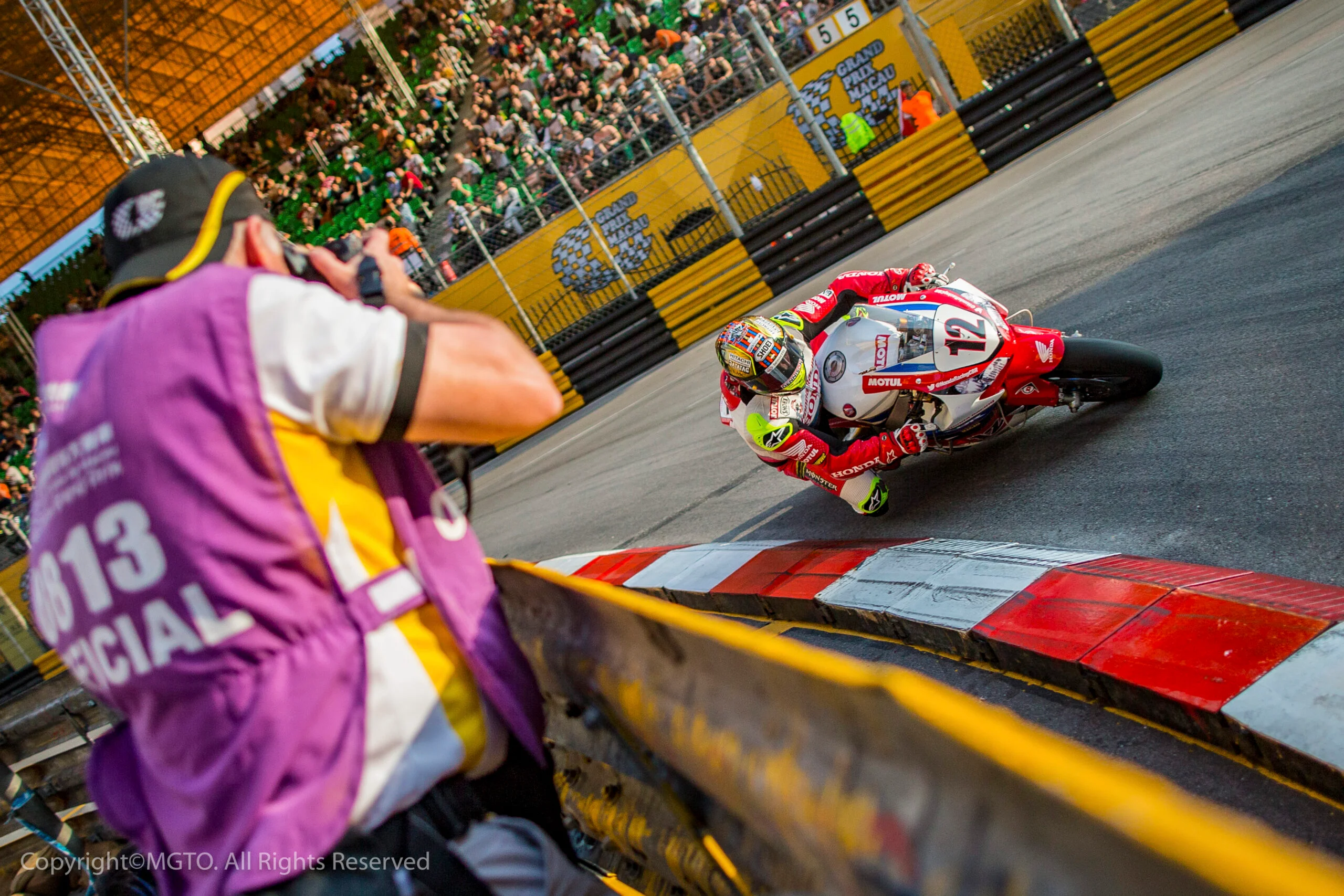
But you don’t have to place a bet to get big thrills when you watch the action at the annual Macau Grand Prix, the legendary road race with decades in the city’s history books.
Taking it to the streets
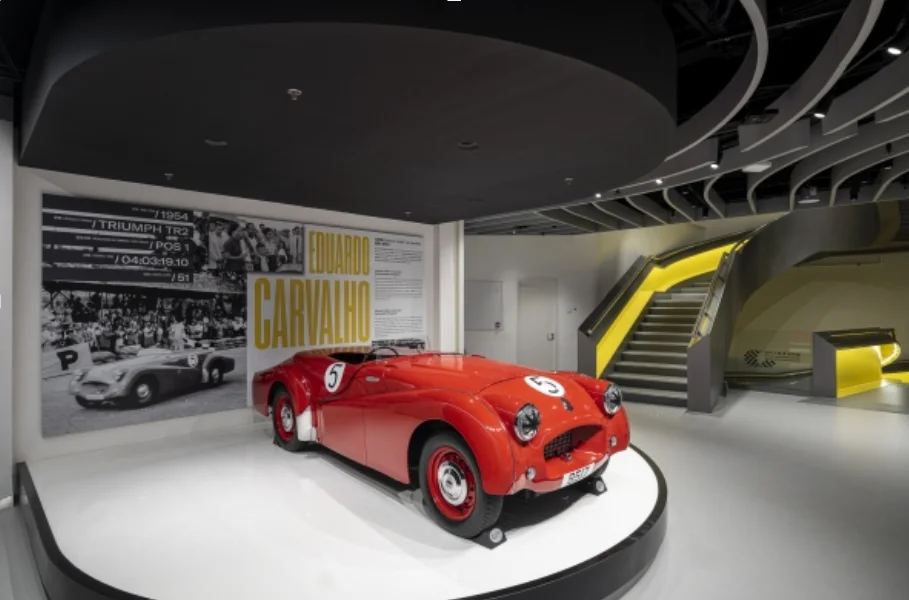
The Macau Grand Prix dates back to October 1954, when it started as an amateur race around a 6.2-kilometre stretch of roads called the Guia circuit. Over the following decades the circuit was vastly improved, a motorcycle event was added, and the race began to attract leading international drivers. Guia soon became known for its fast straightaways and tight corners and is now recognised as one of the world’s most demanding circuits.
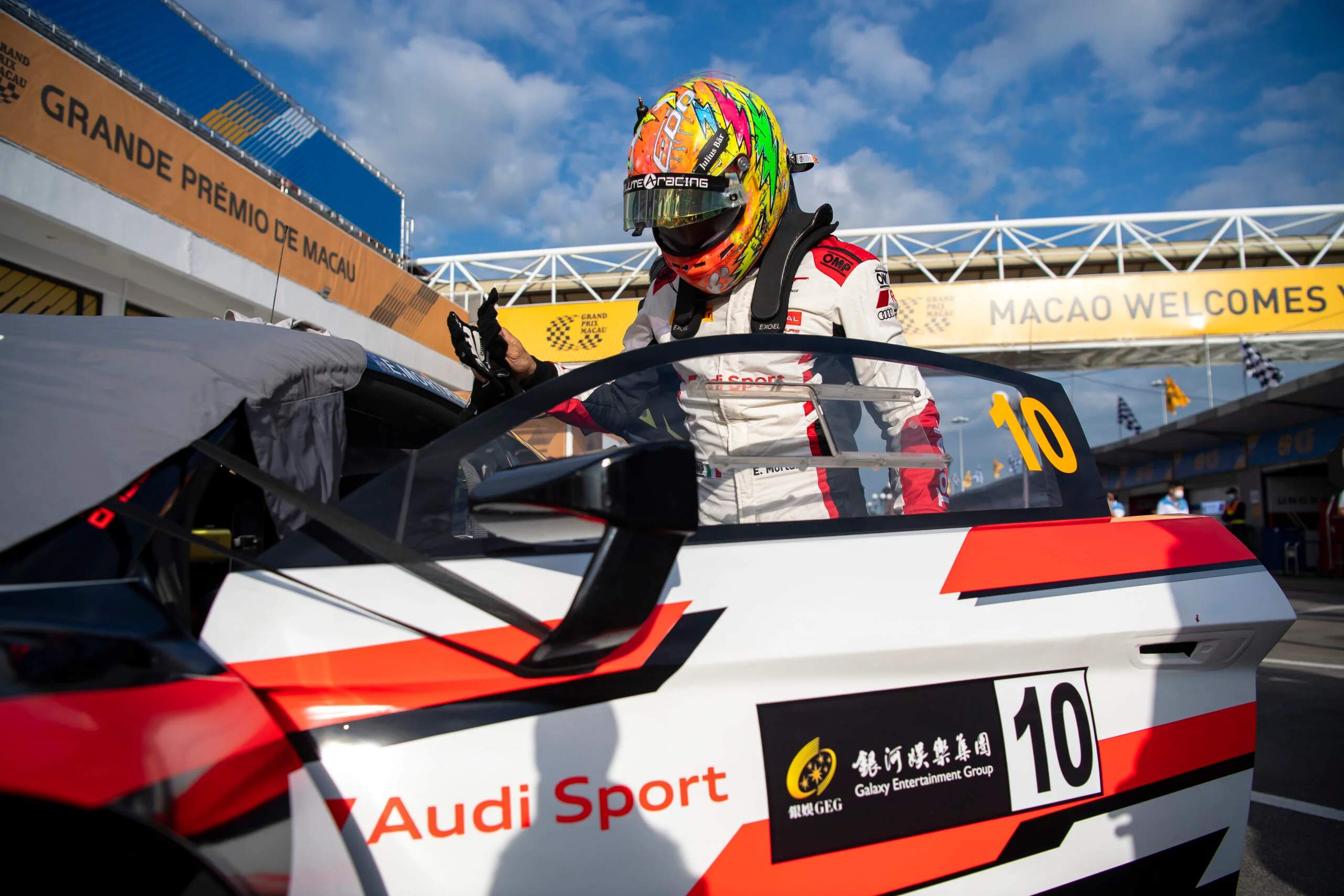
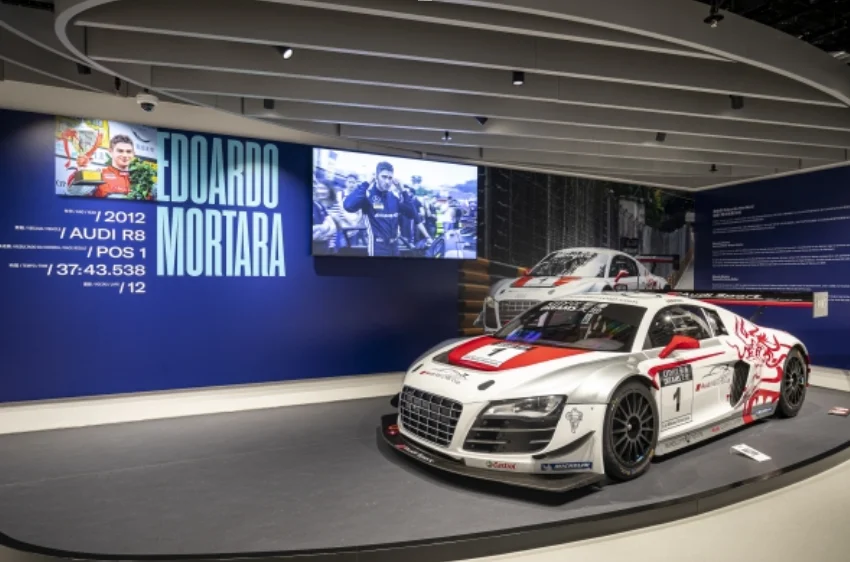
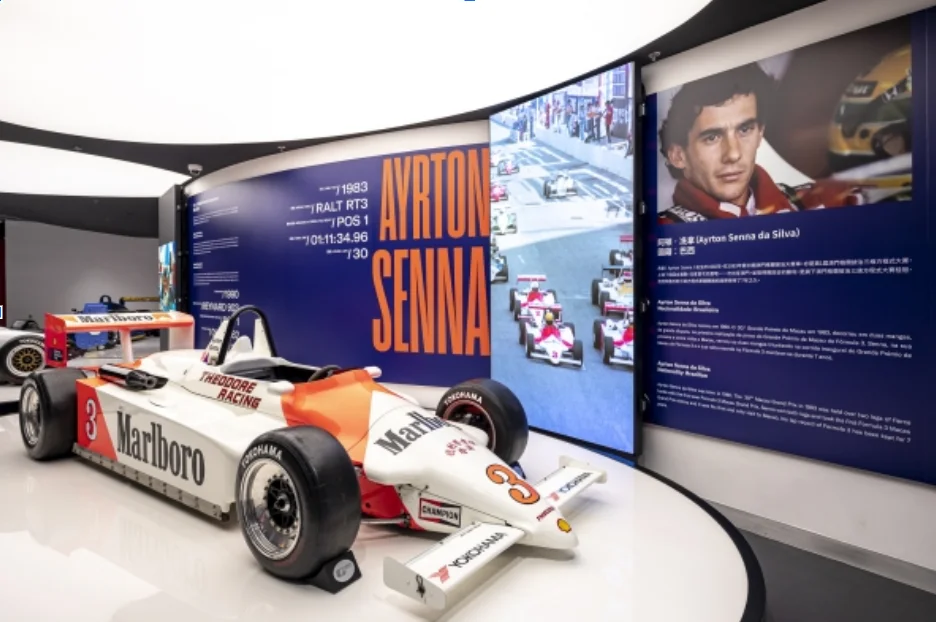
A major draw of the Macau Grand Prix is its Formula Three Grand Prix, an important proving ground for up-and-coming drivers who are keen to prove themselves worthy of Formula One. This gripping test of skill caps several days of qualifiers and races, and has been contested by the likes of world-famous drivers including Riccardo Patrese, Ayrton Senna, Michael Schumacher, Takuma Sato and Edoardo Mortara.
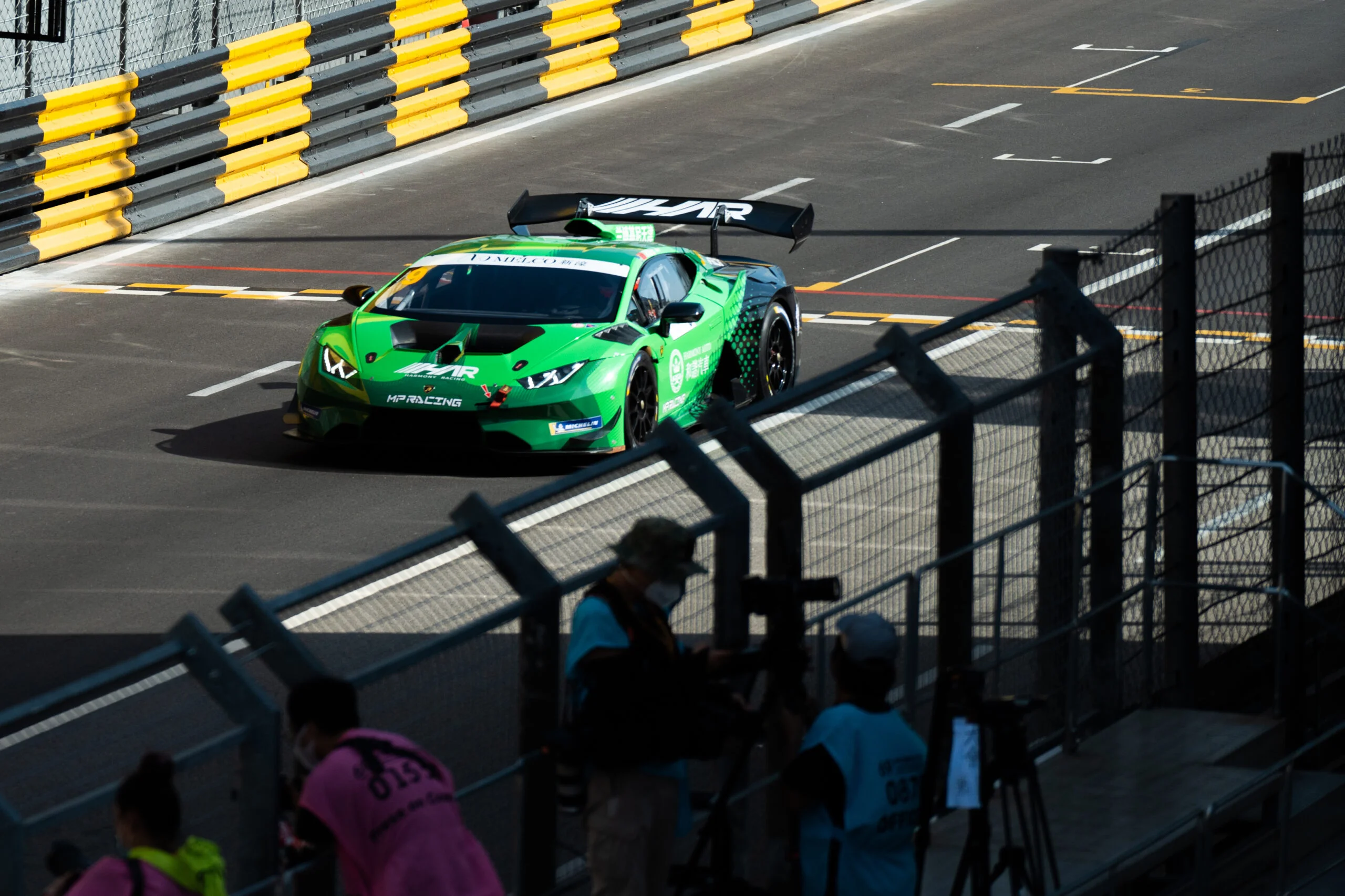
The Macau Grand Prix also has an important connection to the concessionaires that operate integrated resorts in the city. As partners in the Grand Prix, they have sponsored events which in the past have included the Sands China Formula 4 Macau Grand Prix, the Galaxy Entertainment Macau GT Cup, the Wynn Macau Guia Race, the MGM Macau Touring Car Cup, the Melco Greater Bay Area GT Cup and the SJM Macau Roadsport Challenge.
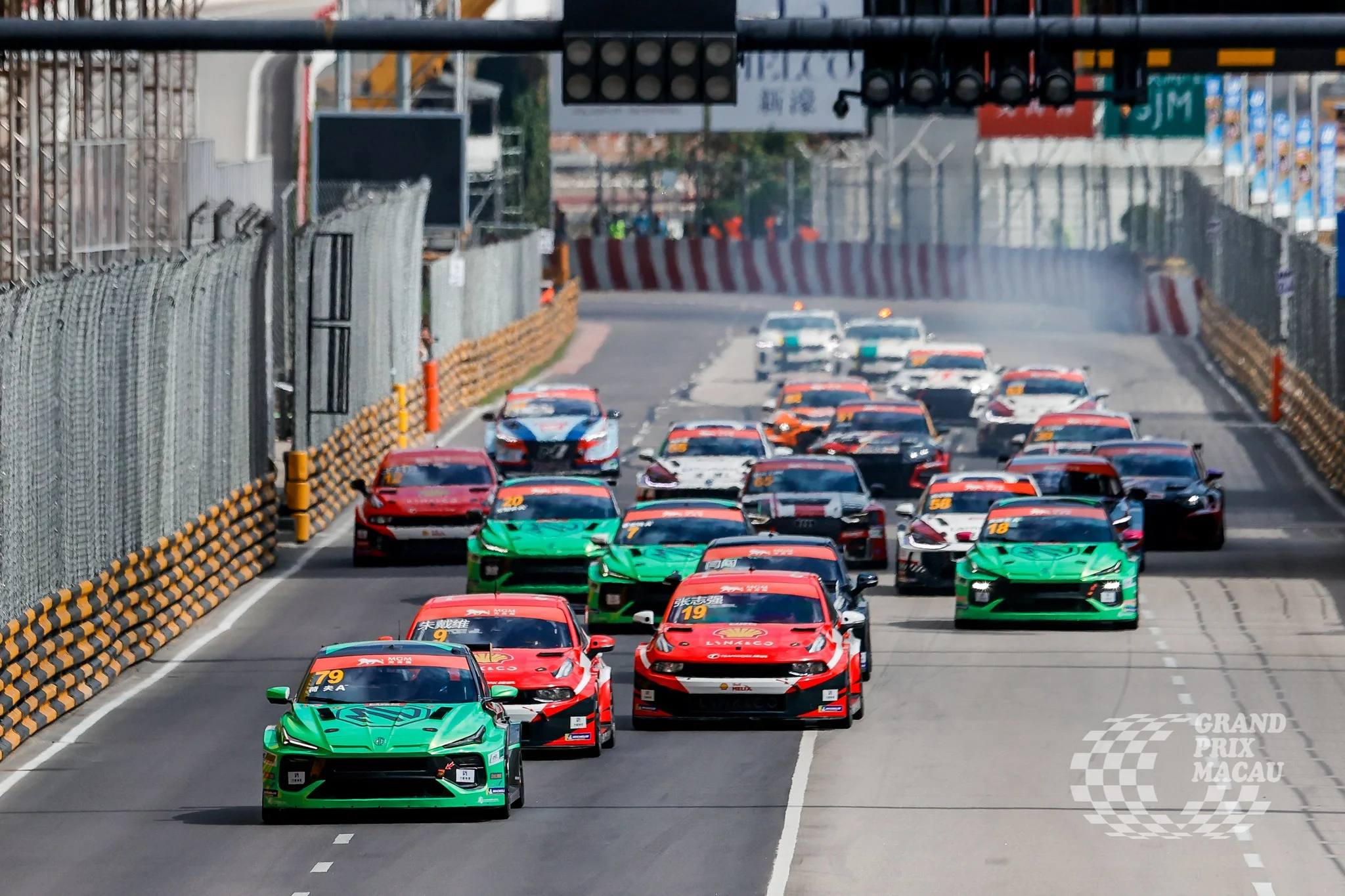
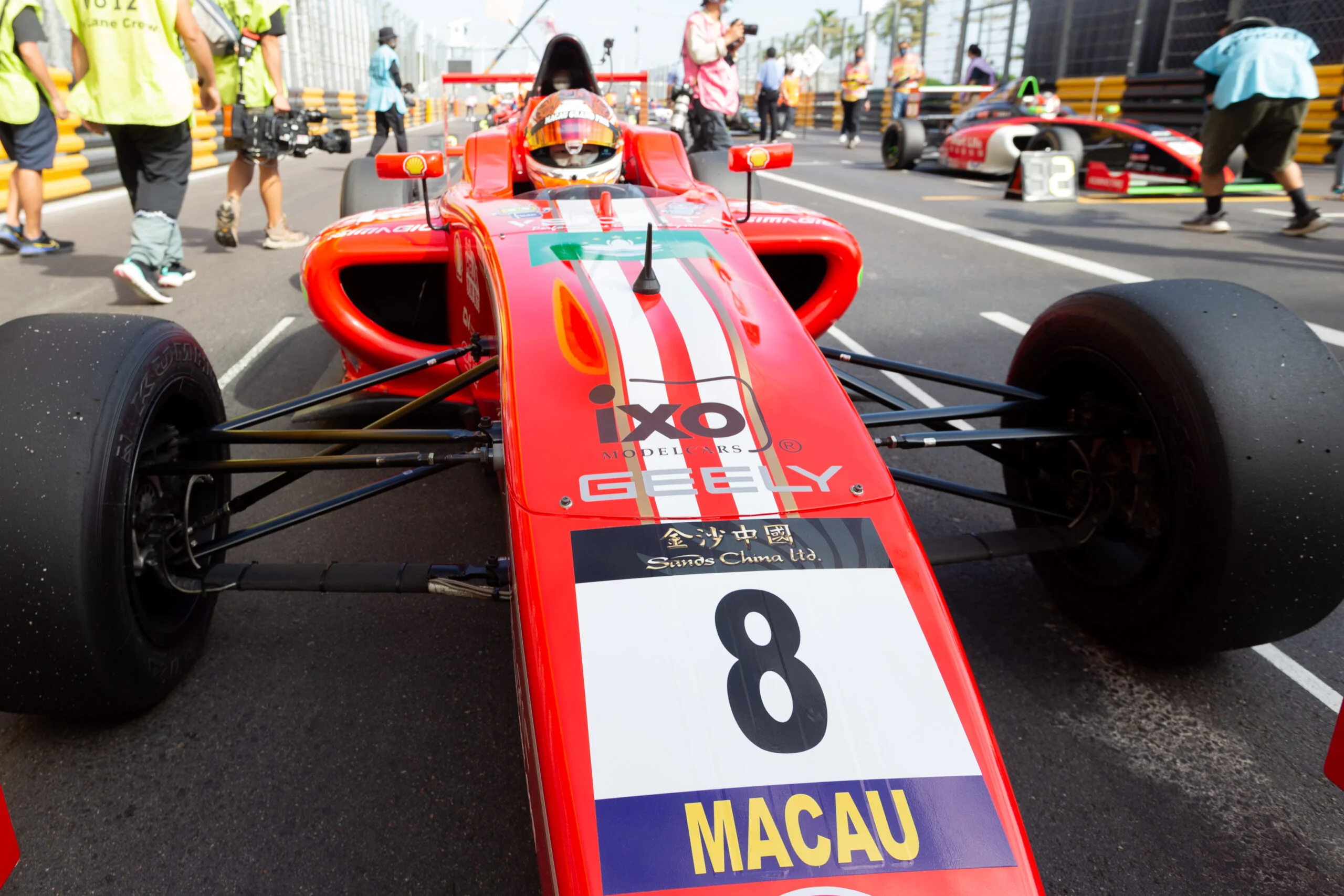
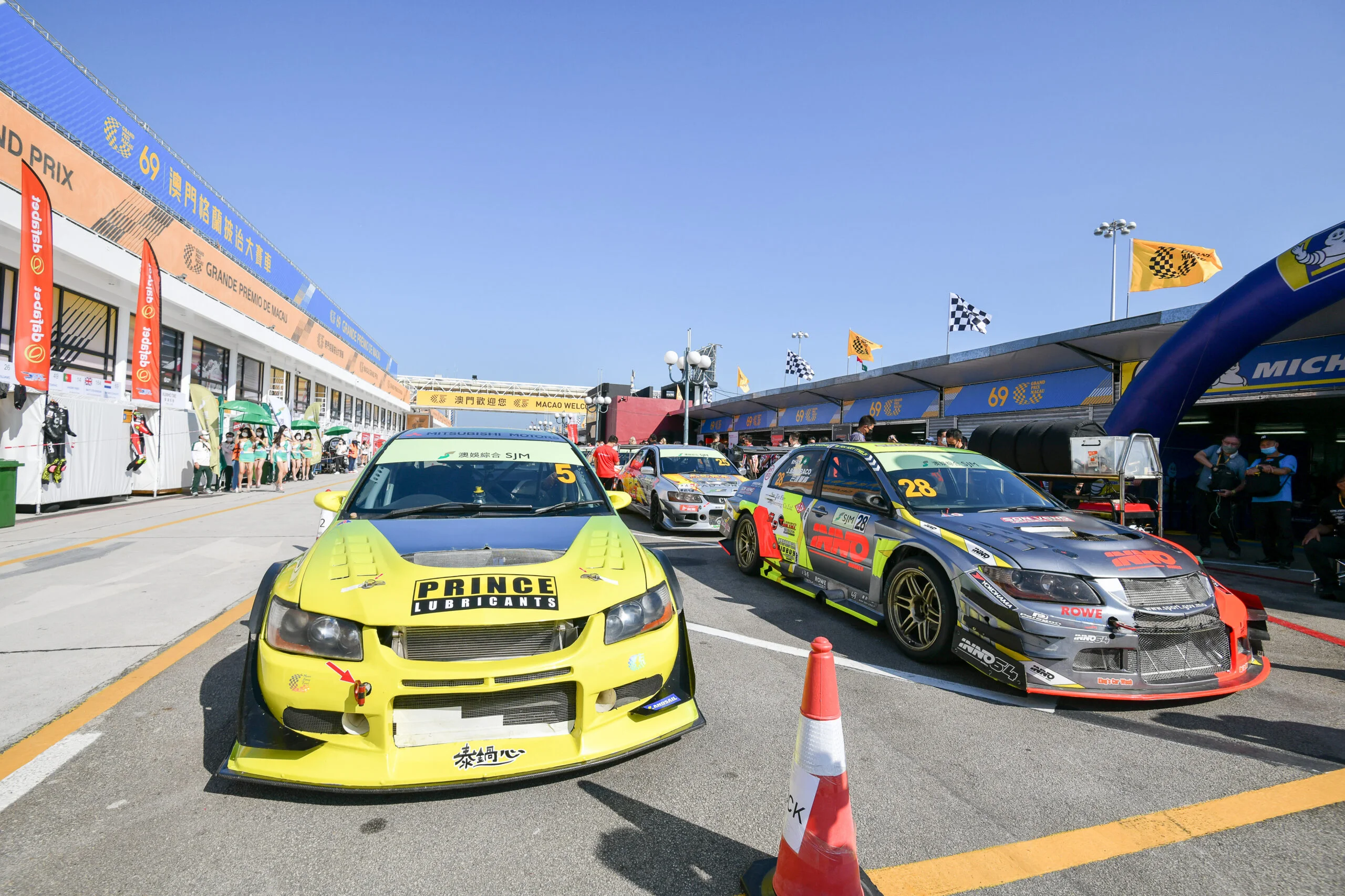
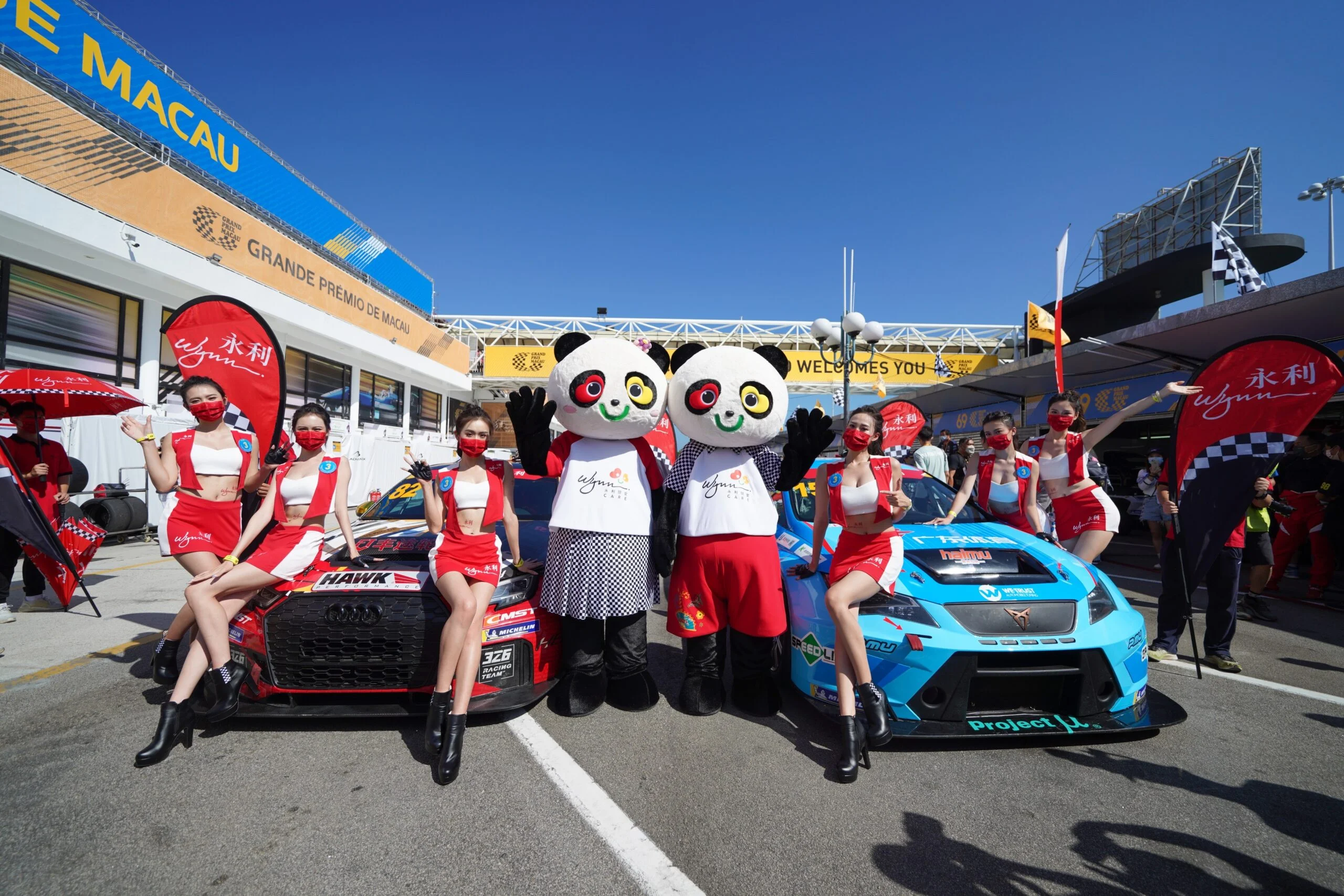
What’s more, as some hotels under these integrated resorts enjoy close proximity to the racetrack, they offer visitors a premier vantage point from which to view the races, along with room, dining or drinks packages.
Virtual thrills at the Grand Prix Museum
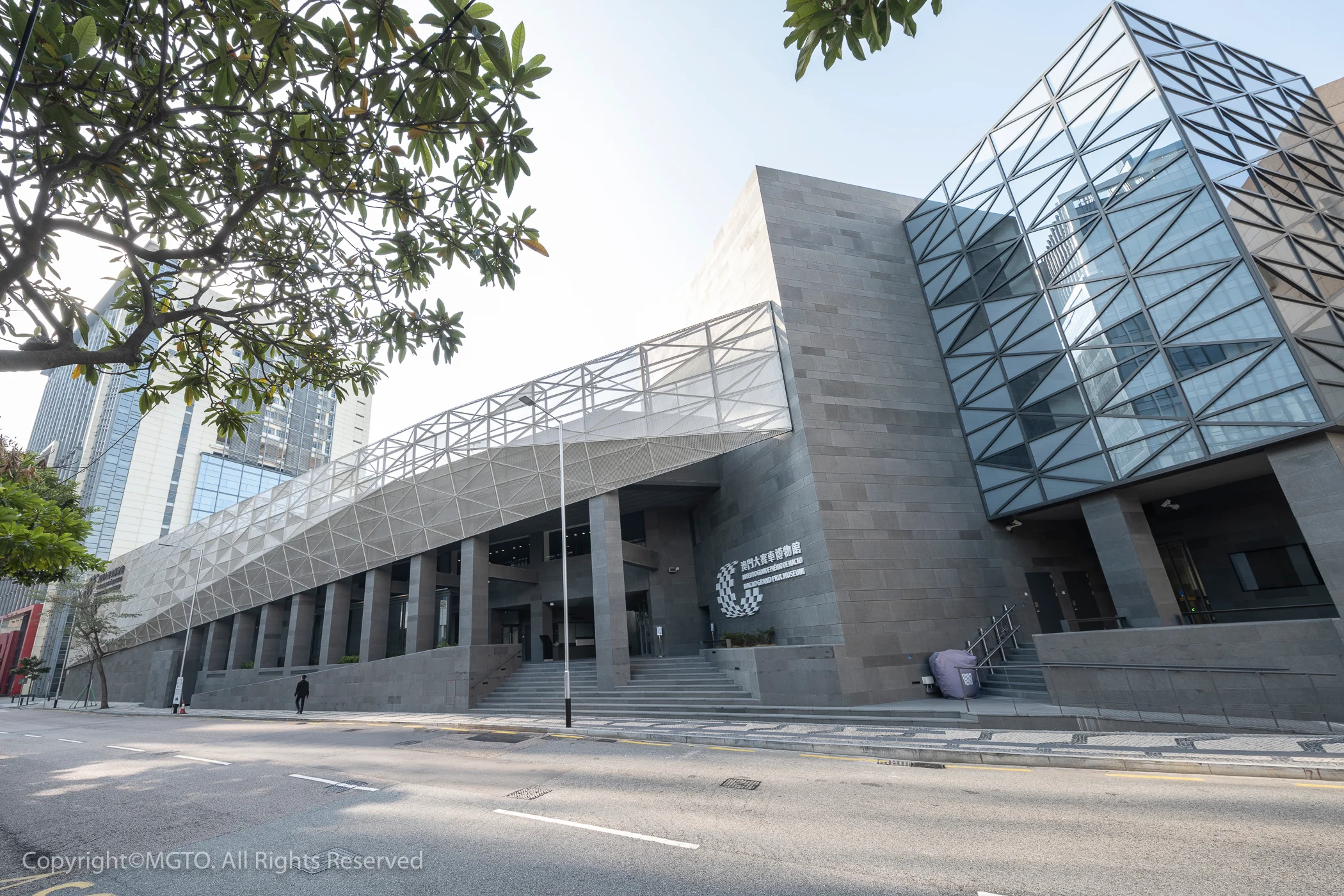
The Macau Grand Prix is held every November, but even if you miss the thrilling motorsport competition, the city has you covered with the recently reopened Macao Grand Prix Museum, where you can still experience the thrills and excitement—virtually.
After extensive remodelling under the management of the Macao Government Tourism Office (MGTO), which saw its floor space increase six-fold to 16,000 square metres, the museum reopened in June 2021. Part of its redevelopment also included the museum redesigned as a sustainable facility, with new green elements including solar photovoltaic panels to produce clean energy and a high-reflectance roof to help bring temperatures down during the summer. These initiatives earned the museum a gold standard from green-building certification organisation Leadership in Energy and Environmental Design (LEED).
“
”
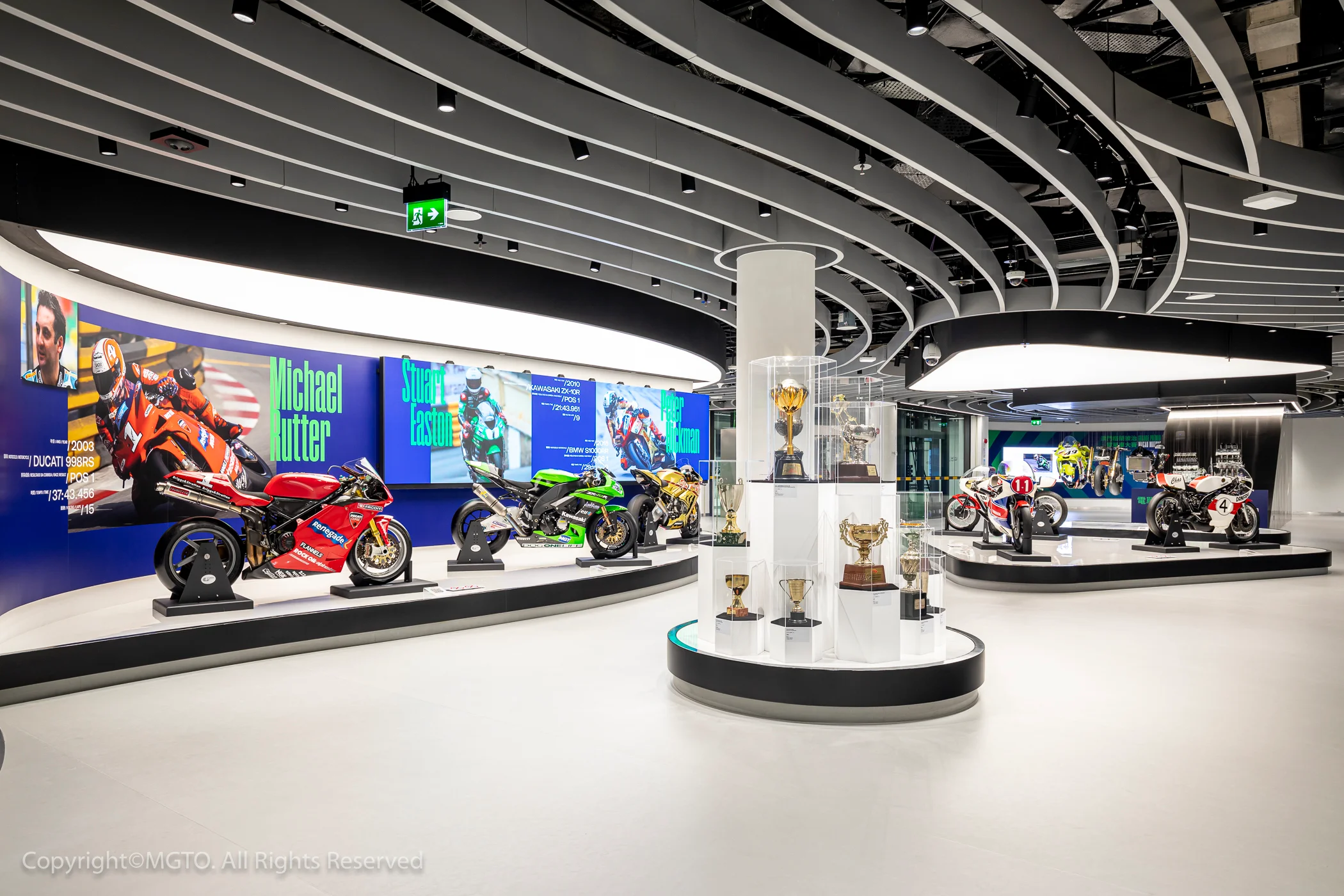
Visitors start the tour by taking an escalator to the top of the museum and then work their way down. On the highest level—Level 2—is a showcase of the Macau Motorcycle Grand Prix. Here one can experience Grand Prix history through large-screen footage of races and archival photos dating back to the beginning of motorcycle racing at the Grand Prix in 1967, along with bikes used by champions such as Michael Rutter, Peter Hickman and Ron Haslam. Also on this level, one can learn from the Motorcycle: Deconstructed display, which examines all the parts that go into making one of these high-performance machines, and try out the MotoVR Race Experience, an immersive, 360-degree virtual-reality experience enjoyed on real motorcycles.
The next level down is dedicated to formula racing at the Grand Prix, and divided into the Macau Grand Prix and F3 Macau Grand Prix zones, joined by a retrospective corridor called Memory Lane. Visitors can check out historical photos and posters, and biographies of leading race figures such as Teddy Yip (1907–2003), a Hong Kong businessman whose team, Theodore Racing, worked with Formula One greats such as Ayrton Senna, Keke Rosberg, Mika Hakkinen and Alan Jones.
Click here or in the below animation to visit the virtual tour
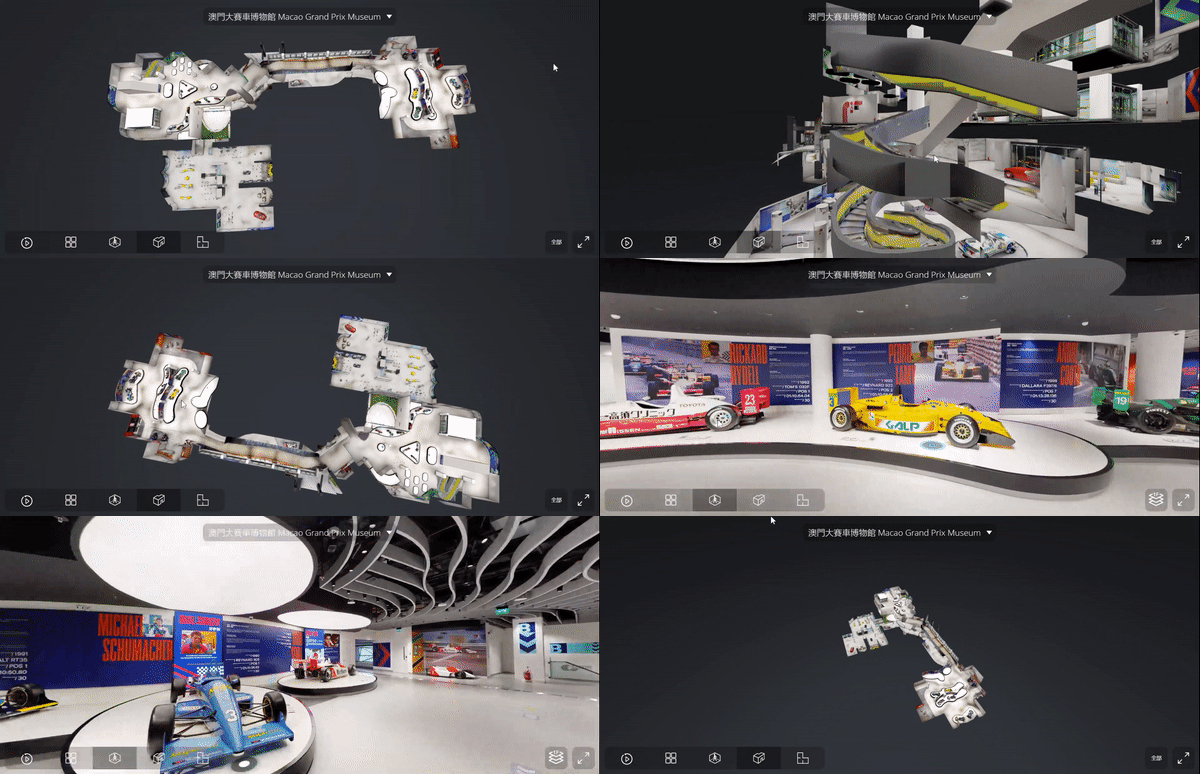
Also on display on Level 1 are vintage cars such as the Lotus 22 driven by Arsenio Laurel (1931–1967), two-time winner of the Macau Grand Prix, the Chevron B27 piloted by David Purley (1945–1985), who took part in 11 Formula One Grand Prix races, and the Ralt RT3 driven by the legendary Ayrton Senna (1960–1994), winner of 41 Grands Prix. There’s also a Macau Grand Prix driving simulator here, the closest one can come to experiencing what it feels like to zip through the streets of the city at white-knuckle speeds.
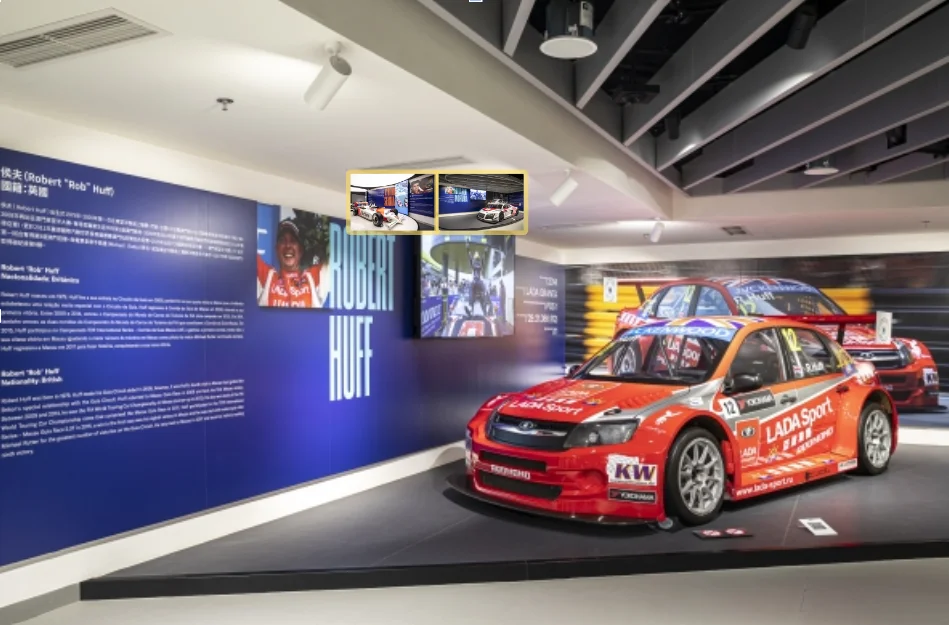
The basement is dedicated to exhibits on the Macau GT Cup, introduced in 2008, the Guia Race, which is contested by TCR touring cars, and Race Day Experience. After checking out the touring cars on display here, visitors can give the Experience area a shot. At the pit stop corner, visitors can then capture augmented-reality images of themselves dressed in racing suits and try their hand at changing a racing-car tire—something Formula One pit crews do in under two seconds, and all four tires at that.
Stunning replicas
In addition to these attractions, visitors can also see amazingly lifelike waxwork replicas of eight renowned drivers—John Macdonald, Ron Haslam, Michael Rutter, Robert Huff, Edoardo Mortara, Ayrton Senna, Sebastian Vettel, Lewis Hamilton—that are the creative result of a collaboration between MGTO and Madame Tussauds Hong Kong. The waxworks required the drivers to sit still for as long as eight hours while 200 measurements were taken, including precise colour readings of their teeth, skin, eyes and hair, which helped produce the uncanny likenesses. Some of the waxworks can even be seen in victory poses next to their cars or motorcycles.
To round out the visit to the museum, when they get back to the ground floor visitors should not miss the scale model of Macao showing the Guia Circuit. The gift shop shouldn’t be missed either: it’s the perfect place to take home a bit of the thrills and energy from one of the most exciting motorsport competitions in the world.
“
”
As a city that is an integral part of Grand Prix history, Macao is a must-visit destination and offers one of the most exciting fan experiences for motorsport enthusiasts. But even for those who aren’t, there is plenty to enjoy and learn about a landmark event that is rightly a source of pride for Macao.