

To fully experience all facets of Macao’s rich and
fascinating culture, one must pay close attention to the
city’s vibrant food scene. From street food to fine
dining, many delicacies offer a taste and insight into a
culinary tradition that has earned Macao the UNESCO
designation as a Creative City of Gastronomy.
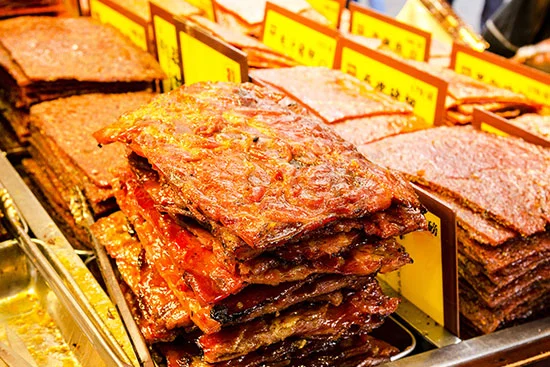
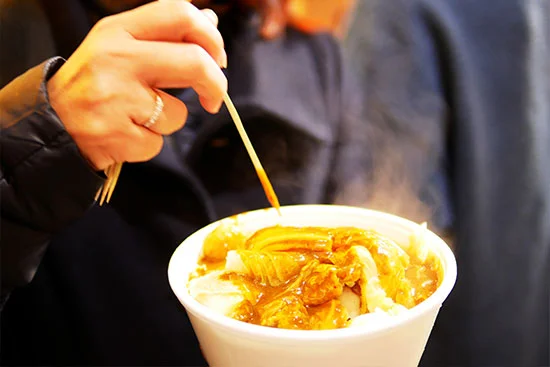
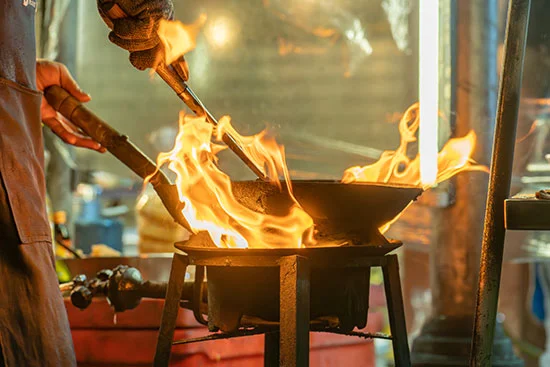
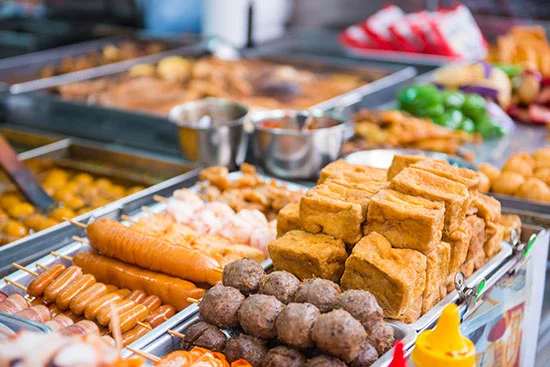
Street food can be found all over Macao, but especially in more traditional parts such as Taipa Village—an easy excursion from the iconic Cotai Strip—as well as the city’s historic district, known as the Historic Centre of Macao and inscribed on the World Heritage List in 2005. Steeped in history, these places make up an ideal itinerary for those wanting to combine sightseeing with local culture. And a visit to a market—be it for food or artisan crafts—is a must.

Taipa Village, with a side of history
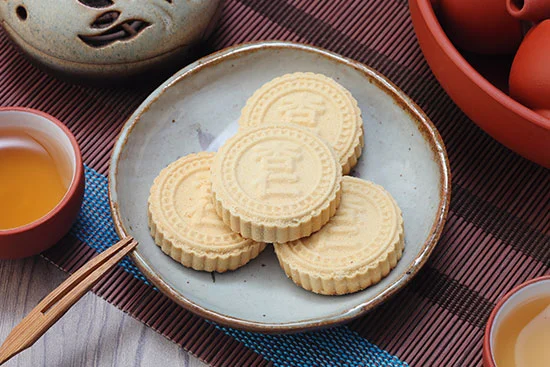
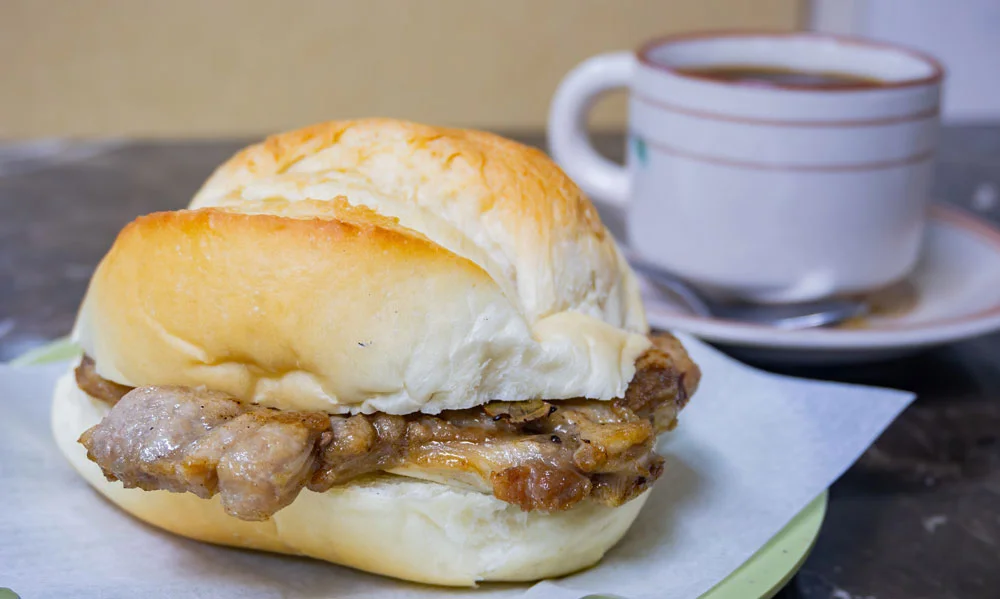
Perhaps no dish sums up the Macao street food scene like the pork chop bun. It’s recognisably a bifana, the classic pork sandwich found at cafés all across Portugal, from Porto to Faro. The pork chop, however, is prepared Cantonese-style and served simply on a Portuguese-style marraqueta, which is called a piggy bun in Macao. There are many places to sample these zhu pa bao, as they are called locally, from Portuguese cafes and bakeries to cha chann teng, referring to local tea houses and coffee shops. At some of these shops you can opt instead to get your pork chop on a pineapple bun, a sweet pastry popular in Hong Kong, Macao and Chinatowns across the world.
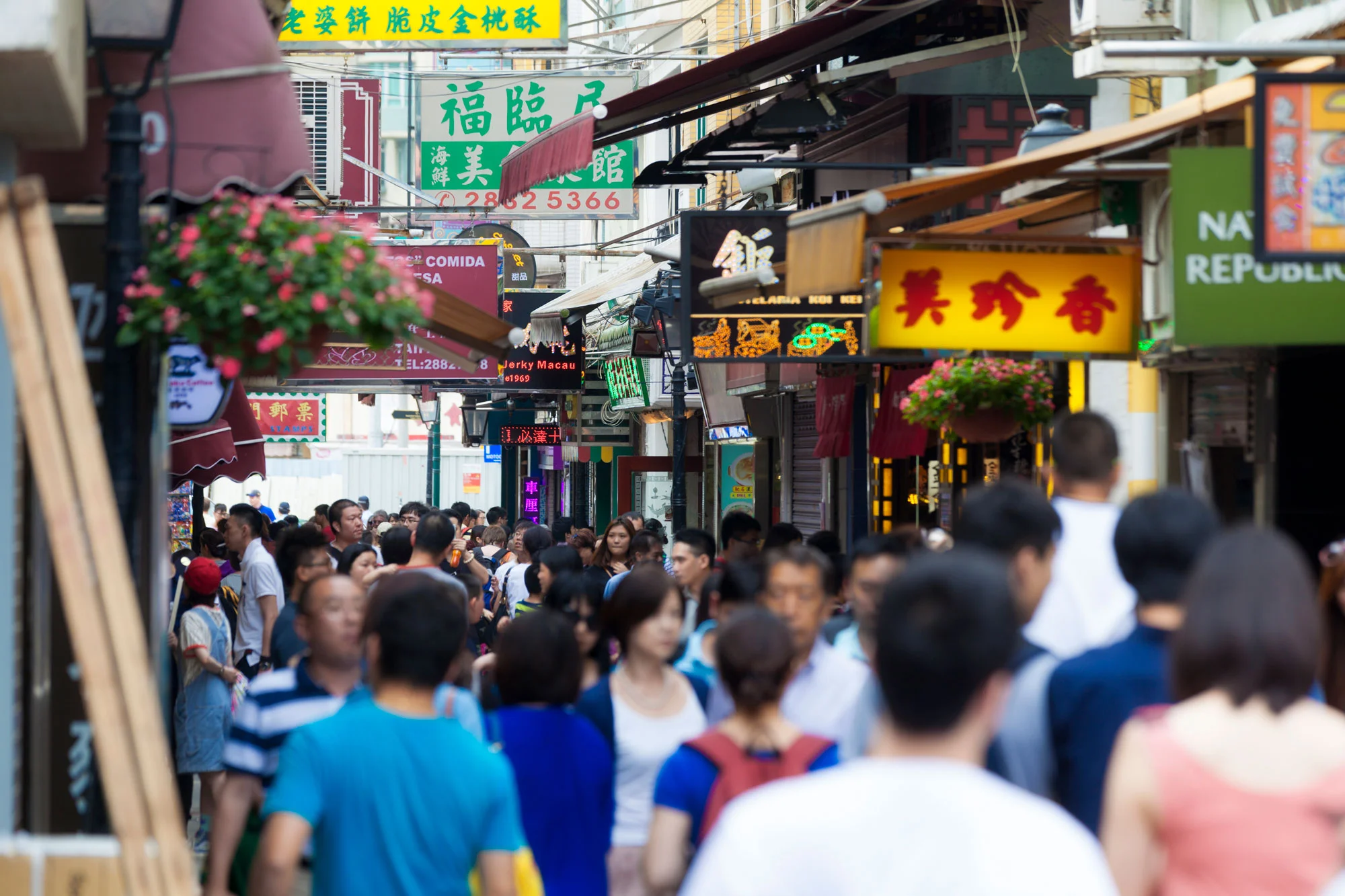
Taipa Village is an ideal place for an exploration of Macao’s street-food scene. Rua do Cunha, also called Taipa Food Street, serves up myriad tastes of the city. The narrow street, open to pedestrians only, is lined with dozens of shops, restaurants and takeaway counters, selling all the popular Macao specialties.
Beyond food and shopping, Taipa Village itself is a fascinating place to explore. History is everywhere in this former fishing hamlet, which today has photogenic houses in pastel colours set along cobblestones streets. At the Museum of Taipa and Coloane History, visitors can learn more about the history of Taipa and Coloane—the two islands now connected to the Cotai Strip, thanks to sophisticated land-reclamation technology.
The Taipa Houses-Museum, meanwhile, offers a closer look at the village’s colonial-era architecture, and is on Avenida da Praia Grande, once Macao’s main promenade.
All in one: feasting, shopping and sightseeing
Among the colonial-era churches and traditional Chinese temples of Macao’s historic centre, more local markets and street food are to be found. First built in the mid-1500s, St. Lawrence’s Church is one of the oldest in Macao, and one of the earliest Jesuit churches in Asia. The current structure, from the 1800s, sunny yellow and with baroque flourishes, is both a tourist attraction and an active place of worship.
“
”
There are also events like Tap Siac Craft Market which showcase the work of local artisans, and regular night markets, which offer a very local night out.
Like a local
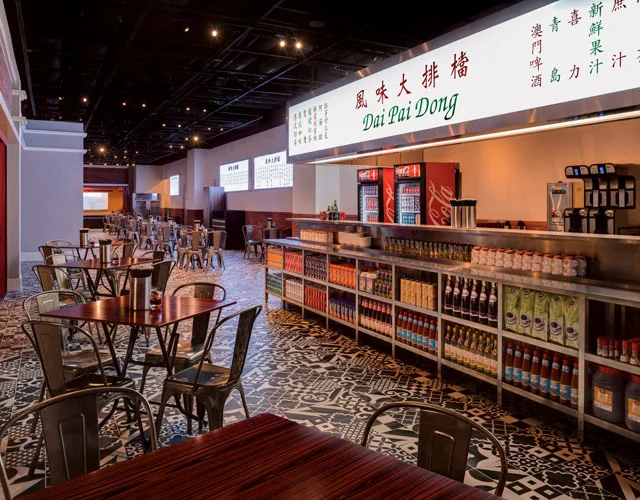
Markets are part of Macao’s cultural fabric, an alternative and refreshing way to experience the city. But one can also sample the city’s delicacies elsewhere: the Macau Gourmet Walk, for example, is a food court located within Studio City where visitors can take their pick from an array of local treats—curated and sold all in one place.
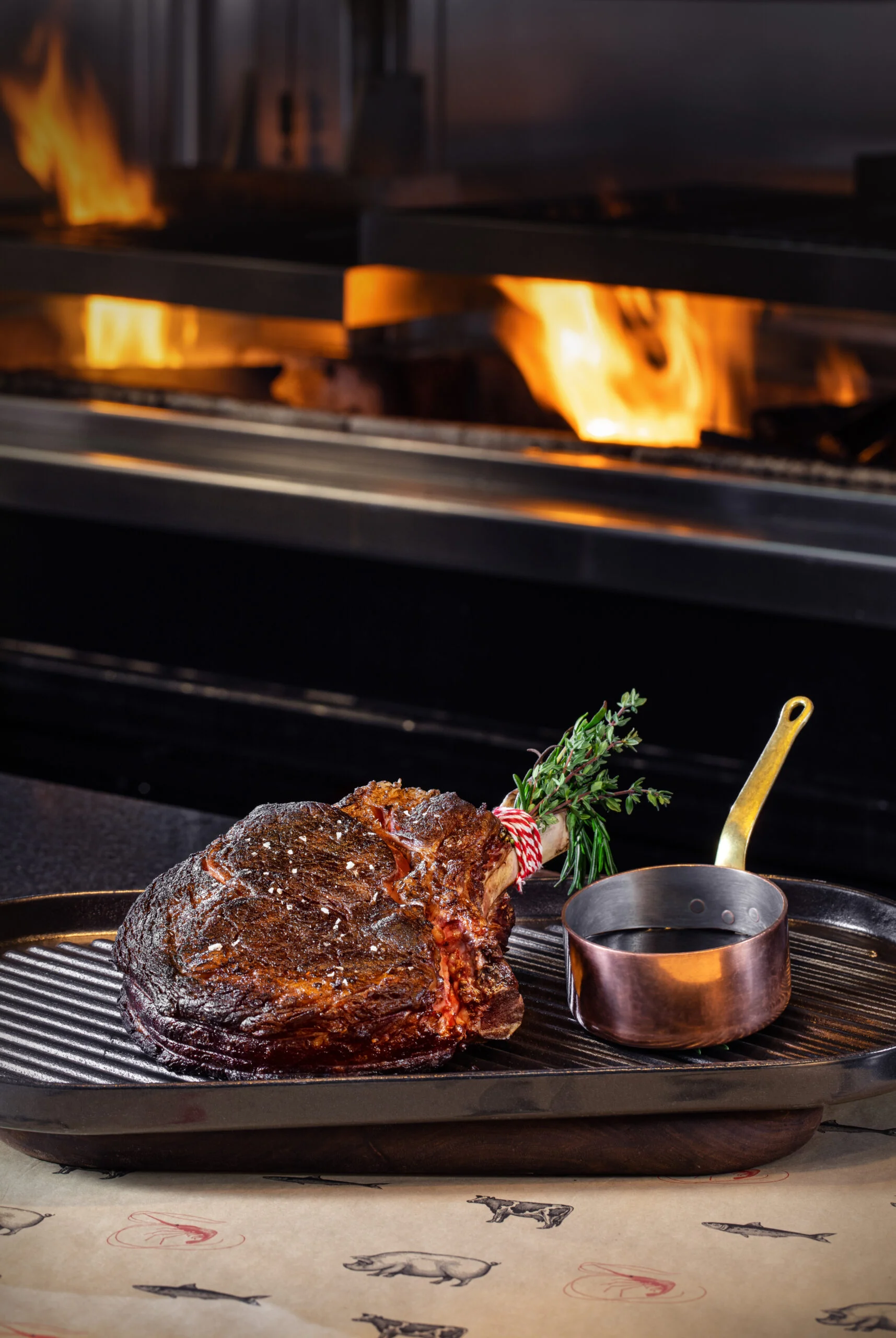
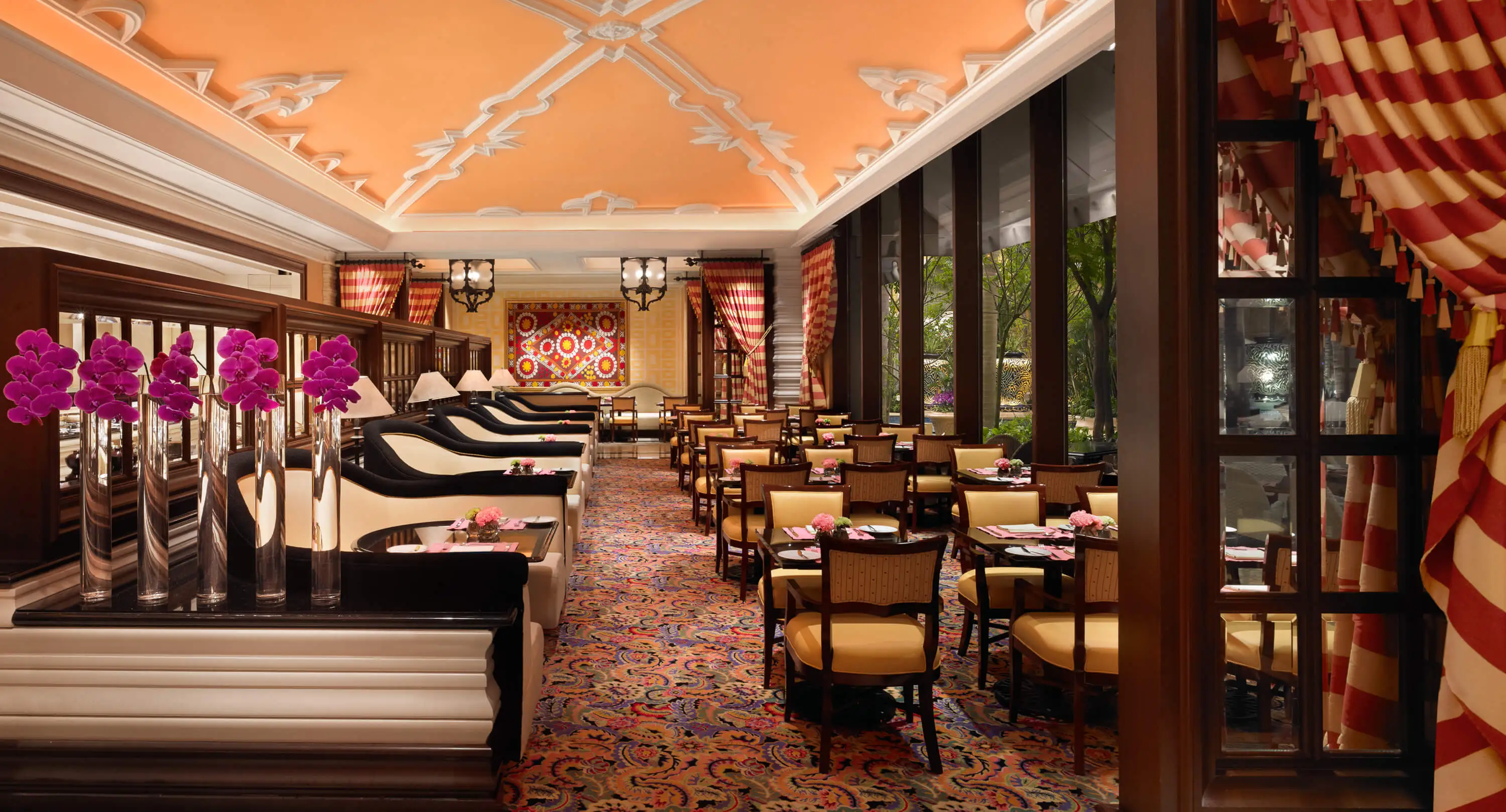
Over at MGM Macau, one can do the same at Rossio from breakfast to dinner, a restaurant offering an all-day menu that indulges in Macanese and Portuguese cuisine. Likewise, at Wynn Macau’s Café Esplanada, which expertly combines traditional spices, ingredients and styles, curious visitors can choose from all-time favourites, including its own take on the pork chop bun and African chicken. The resort also strives to promote Macao’s UNESCO designation as a Creative City of Gastronomy in other ways, notably through collaborations with local chefs who host, conduct and impart their knowledge in masterclasses on Macanese cuisine.
“
”
Day or evening, indoors or outdoors, Macao has something for everyone, and is just one more reason to give this fascinating city a longer and closer look.