

The Health Dividend
Unlocking the transformative power of health

Despite clear evidence that good health drives economic growth and resilience, health is being sidelined in policy and financial agendas, placing both populations and long-term economic stability at serious risk.
The Health Dividend™ makes the case for a fundamental shift: investing in health is not merely a social good, but an economic engine that drives productivity and sustainable growth.
Our approach is anchored in three interconnected workstreams designed to translate this vision into action:

Health & wellbeing Elevating health-promoting policies, innovations and investment approaches that underpin productivity and broader human potential.

Health systems Charting the path toward effective, inclusive and responsive health systems as engines of innovation and economic competitiveness.

Health & economy Unlocking the power of good health to drive societal progress and enable people, communities and economies to thrive.
Latest insights

Supported by Bayer
Spotlight | Research
Why protecting kidney health matters in a warming world
How can societies protect kidney health as temperatures rise? Our latest report explores how heat affects the kidneys, who is most vulnerable and where action is needed now.
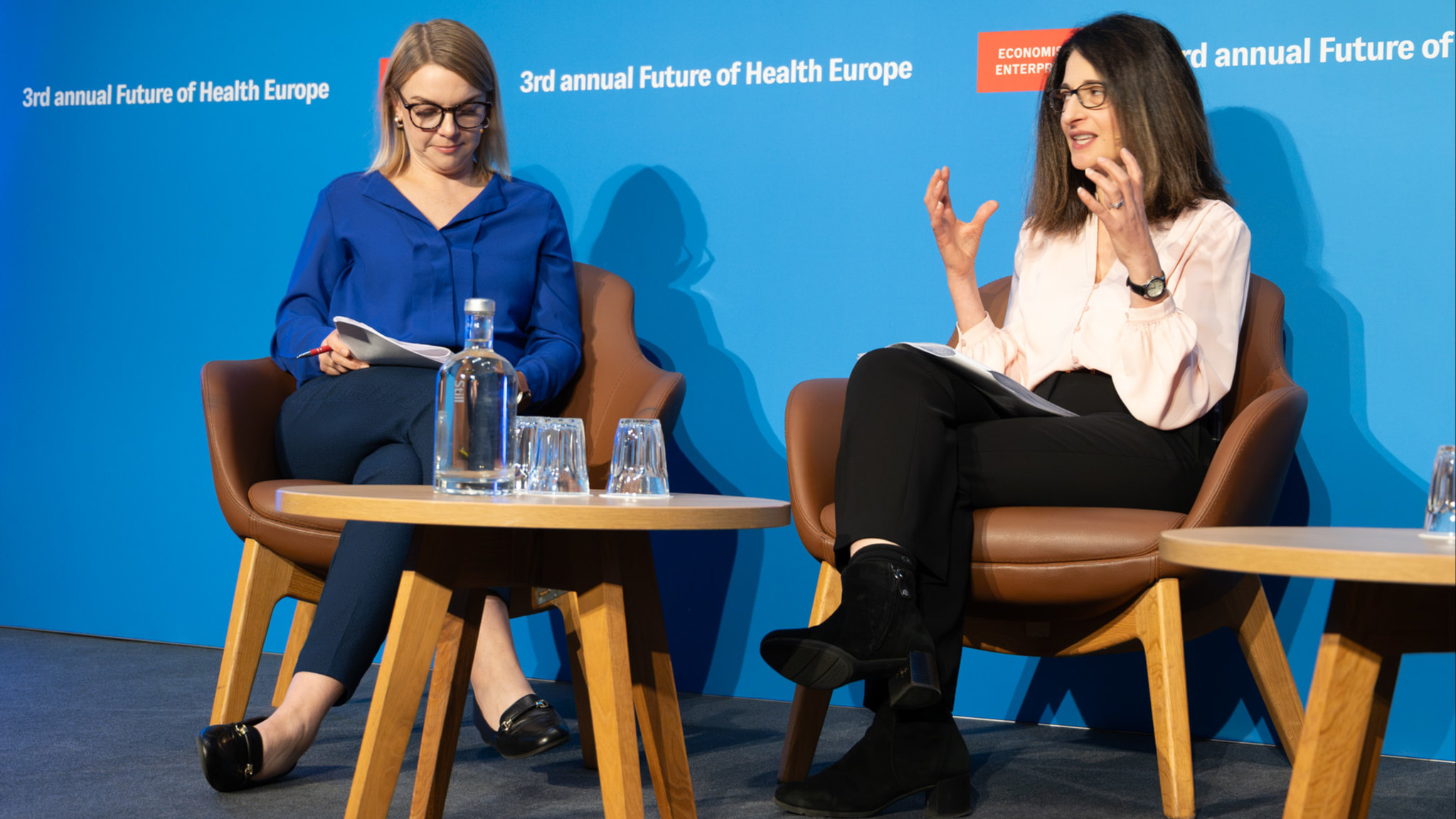
Making the future of health ambitious and actionable
Drawing on discussions at the Future of Health, Cardiovascular Disease and AI in Health summits, Elly Vaughan and Elizabeth Sukkar reflect on key lessons.

America’s breast-screening infrastructure lags science
America has the research to make risk-based breast-cancer screening a reality. But without the infrastructure to deliver it at scale, advances in science risk failing to reach the women who need them most.

Measuring what matters: the wider economic effects of multiple sclerosis
The burden of MS extends beyond healthcare, affecting work and family life. Why should improving disability measurement be a priority for capturing its full impact and guiding care and policy?
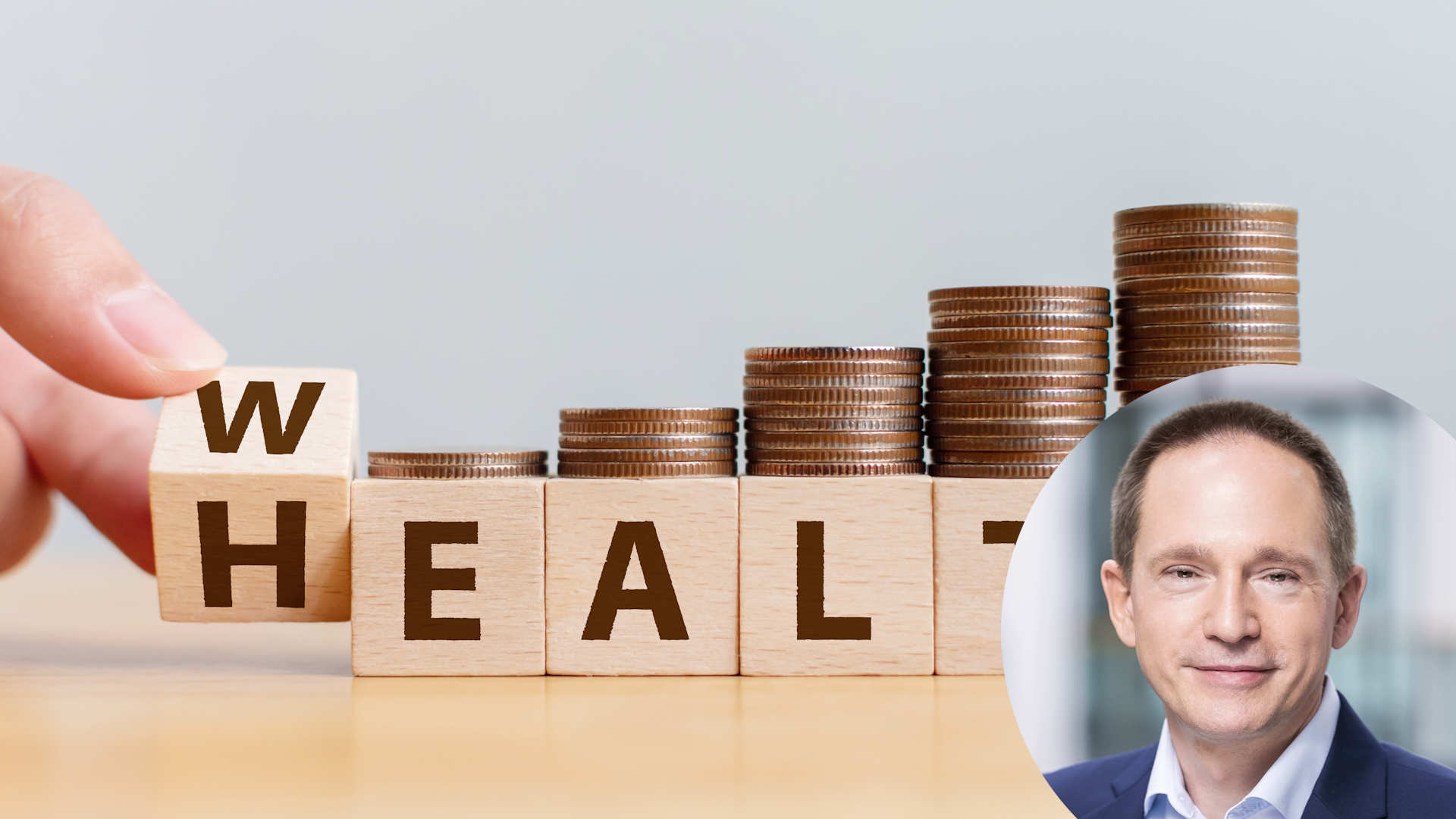
Health investments are strategic, not charity
Investing in the health of populations has wide health, social and economic returns—so why do we still think of health investment as a moral rather than also economic good?

The economic case for investing in Africa’s health R&D
Investing in health R&D can strengthen Africa’s economies and help countries build future technologies rather than rely on imports, argue Andrew Tuttle of Global Health Ecosystems and Dr Mosoka Fallah of Africa Centres for Disease Control and Prevention.
Key Research
Start of carousel.

Supported by Bayer
Beating the heat: Protecting kidney health in a warming world
Extreme heat is placing growing pressure on kidney health. This report examines who is most at risk, where evidence gaps remain and how policymakers, health systems and employers can respond. To complement the report, we have also published three case studies exploring heat and workers, older people living in cities and kidney literacy, alongside an article examining what policymakers want tackled.
Supported by Bayer
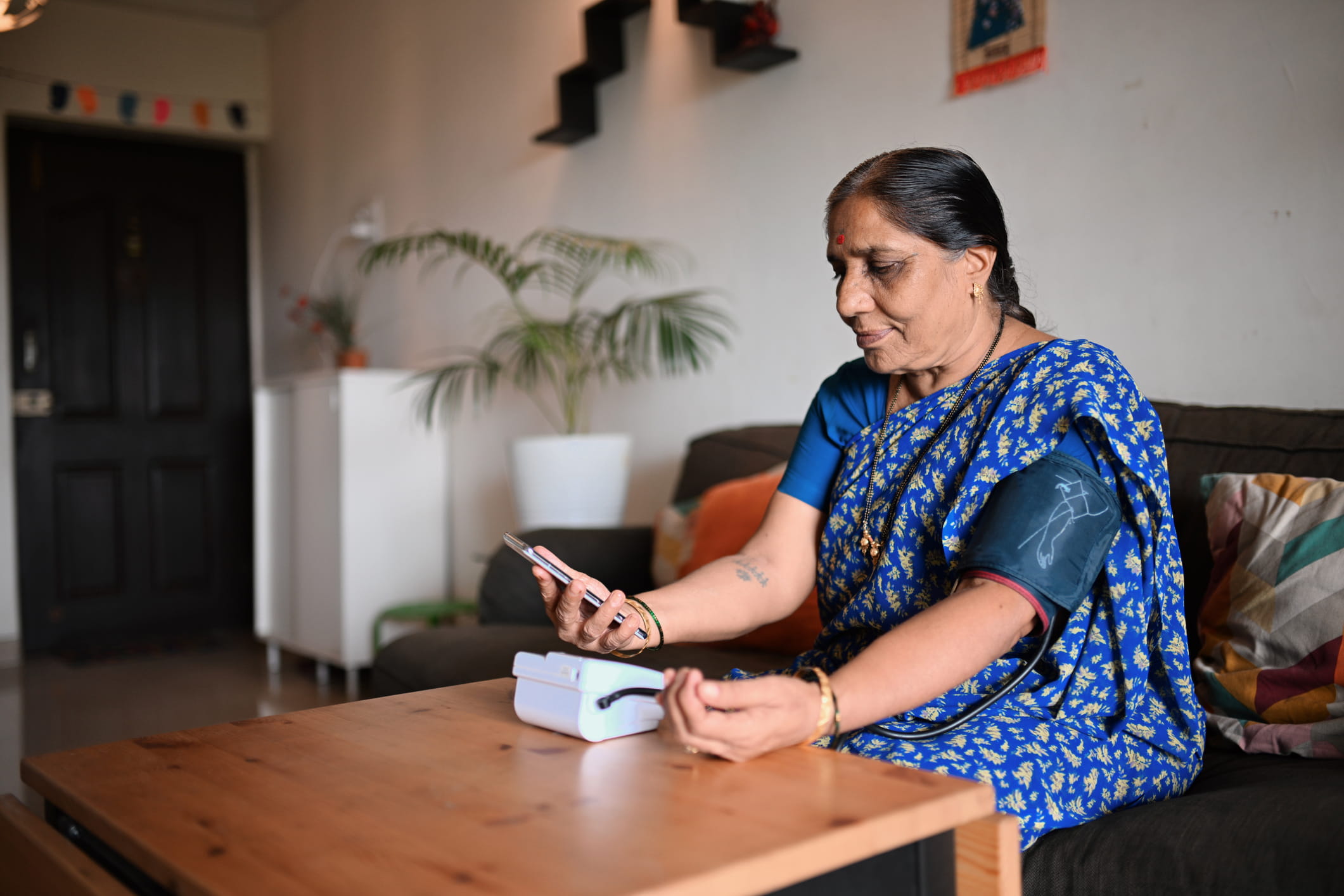
The future of self-care: realising its promise for people and health systems
Making self-care work: Integrating self-care into health systems is a report by Economist Enterprise, supported by Bayer. It examines why self-care is gaining recognition as a way to improve health outcomes, widen access to care, ease pressure on overstretched health systems and support progress towards universal health coverage.
Drawing on desk research and interviews with experts, the report explores how health systems can define, govern, finance, measure and integrate self-care. It argues that self-care should serve as a safe, equitable and supported entry point to care, working alongside formal health services rather than replacing them.

Supported by The Cigna Group
From discovery to delivery: innovation and health system performance
New Economist Enterprise research explores how innovation—and the ability to integrate it effectively—shapes health system performance. The US leads globally in health innovation, but translating discovery into improved outcomes requires stronger pathways for adoption and scale. Explore new insights within an international context on how different innovation approaches can improve access, efficiency and equity.

Supported by Haleon
The Health Inclusivity Index
The latest release under the Health Inclusivity Index highlights health literacy—people’s ability to find, understand and use health information—as essential to better health outcomes, reduced inequities and stronger economies. With nearly one in four adults across the 40 Index countries experiencing low health literacy, the costs to individuals, health systems and productivity are significant. Explore new evidence and expert insights on how strengthening health literacy can empower people, improve system performance and unlock economic value.

Supported by Sanofi
Measuring what matters
The critical gap in multiple sclerosis disability assessment Multiple sclerosis (MS) is a lifelong disease that causes growing disability and significant challenges for patients, carers, and health systems. Every five minutes, someone is diagnosed, and three million people live with MS worldwide. MS frequently affects people at the height of their working and family-building years. Our research captures this multi-faceted burden of disability through economic modeling and a new survey of neurologists, assessing how MS is measured and managed across seven countries to expose gaps and spotlight best practices.

Supported by Bayer
Vision 2030: Climate adaptation strategies for improved health outcomes
Climate change is expected to significantly impact disease burdens and strain the ability of health systems to respond effectively. In response, we have launched the Vision 2030 programme to drive action on urgently needed climate adaptation strategies aimed at improving population health. Our research focuses on two particularly vulnerable groups: individuals living with cardiovascular, renal, and metabolic conditions; and women in low- and middle-income countries. Drawing on evidence from literature reviews, advisory panels, and experts, the programme explores forward-looking adaptation strategies to mitigate the health impacts of climate change by 2030. Vision 2030 outlines key components and pathways required to strengthen health systems—from early interventions to the development of more integrated, long-term adaptation approaches that enhance health outcomes. The programme is further supported by a series of expert-authored blogs.

Healthcare as an Investment: Improving US health and economic vitality through effective spending
In order to shift momentum towards more strategic and effective investment in health, leaders need to engage in more dynamic and innovative thinking about how to generate better outcomes from healthcare at lower cost.
Economist Enterprise embarked on an ambitious research program to examine the complex relationship between health and wealth. We employed a mixed methods approach to investigate how leaders can strategically invest in healthcare systems to optimize health and economic outcomes.
End of carousel.
Events

Brain Health Summit
Brain health is a growing health and economic challenge, with conditions such as dementia, Parkinson’s disease and stroke affecting hundreds of millions worldwide as populations age.
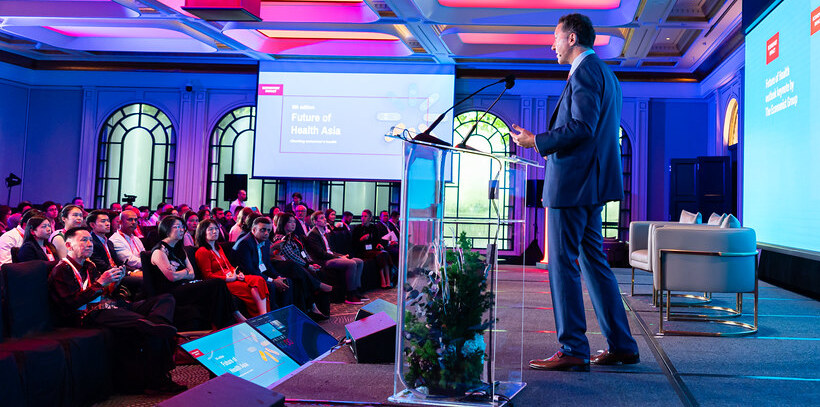
1st edition Ageing Well Australia
Australia’s longevity transition is accelerating. Connect with Australia's most influential healthcare decision-makers
Watch on demand
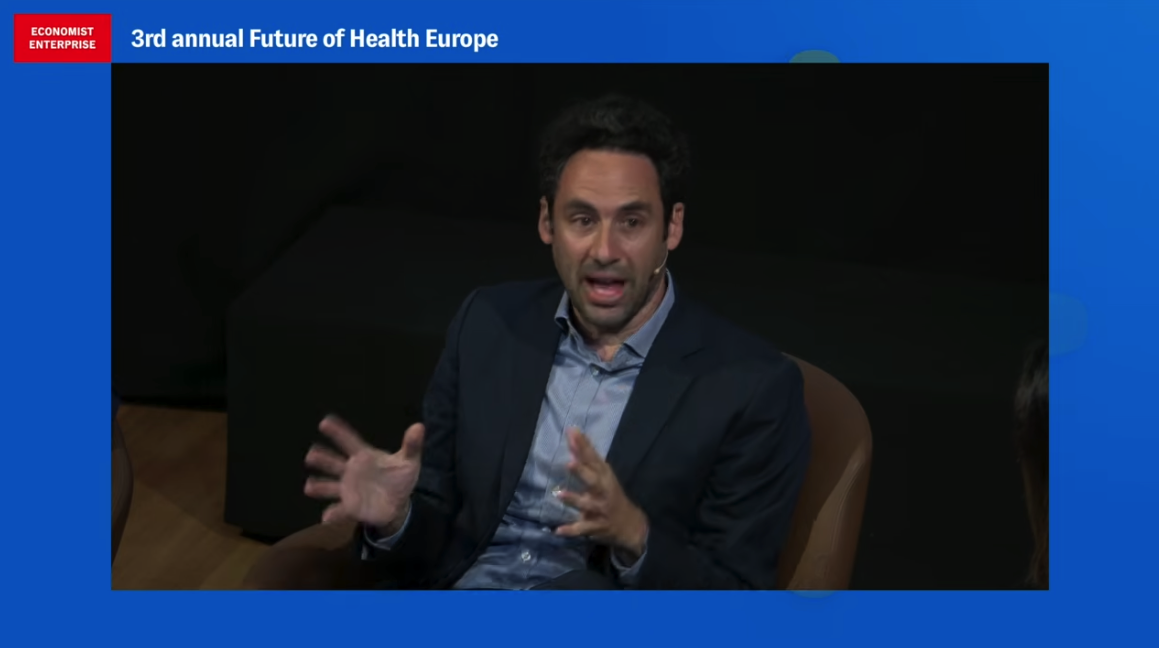
Healthy ageing and paying for it
More than one in five people in the EU is 65 or over. How can health systems adapt to ageing populations? Experts at the Future of Health Summit discussed financing models, workforce pressures and nutrition in long-term care, as well as drawing on Malta’s experience of supporting older people.
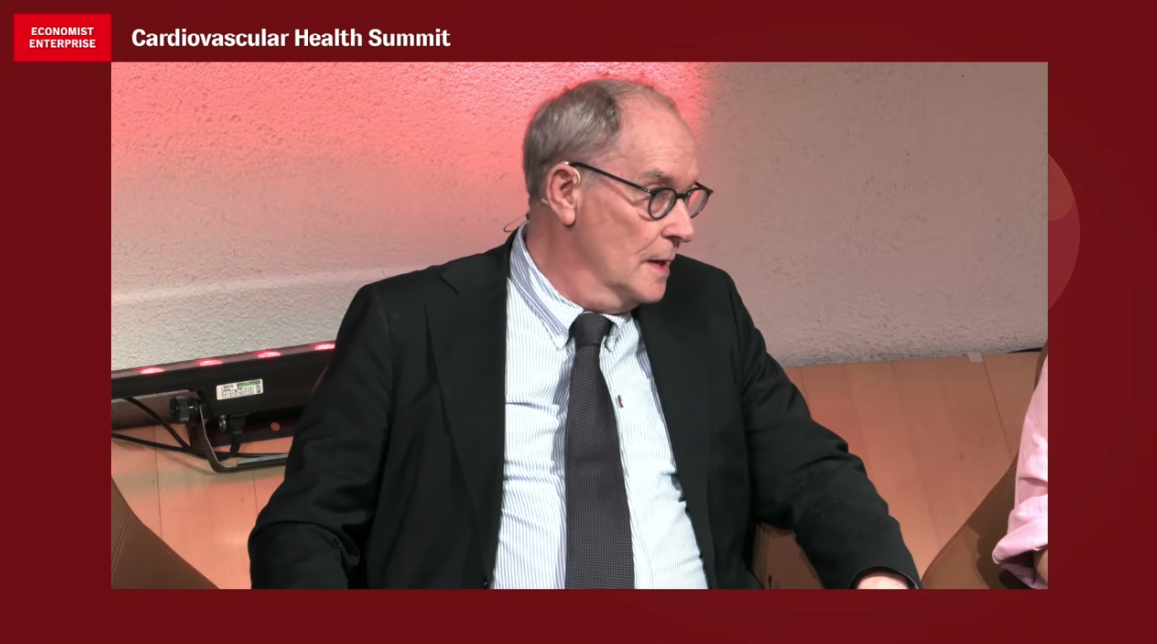
Recognising the impact of stroke
Around 60% of stroke costs are outside the health system, including unpaid care, reduced hours or being unable to continue working. Hear experiences from Sweden, Slovakia, and across Europe, how these hidden costs exacerbate existing inequalities and further widen them.
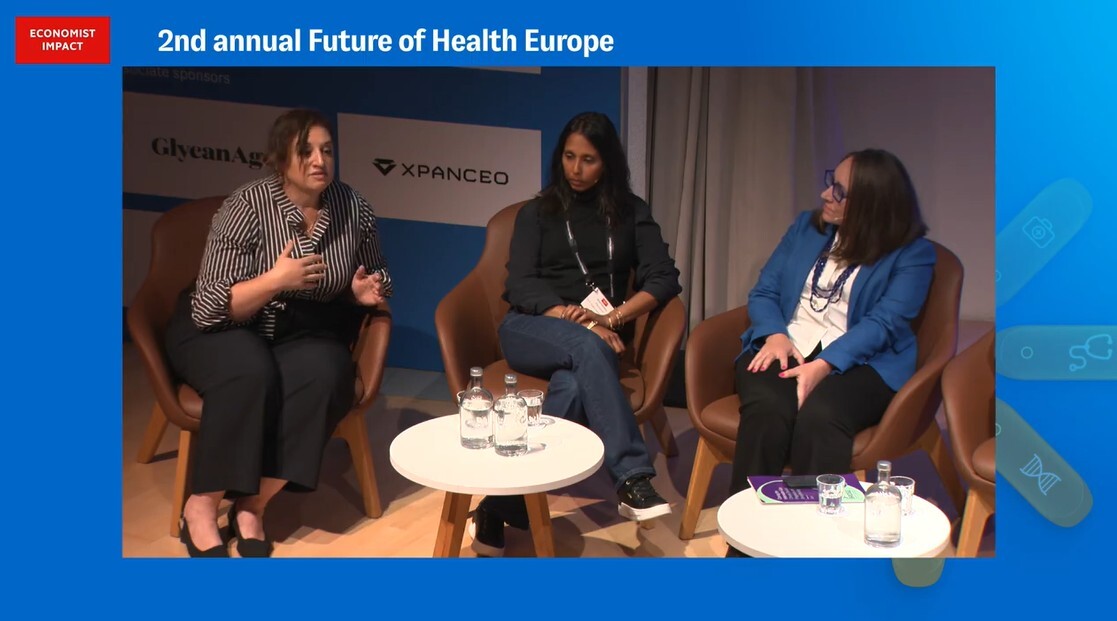
The Health Dividend is supported by




Partner with us
Economist Enterprise works with organisations globally to further their mission and catalyse progress. Contact us to learn more about becoming a partner of The Health Dividend.
We also welcome feedback and ideas to inform our strategic roadmap. Send questions, comments and partner inquiries to Amanda Stucke, Lead, The Health Dividend, Economist Enterprise ([email protected]).
Economist Enterprise Perspectives
Sign up for Economist Enterprise's weekly newsletter
Subscribe and read our latest research and analysis covering a broad range of topics and global markets at Economist Enterprise Perspectives.