


Bayer: Health for all, Hunger for none
At Bayer, we are committed to helping shape a world in which everyone can access the resources and care they need to lead a healthy life – that’s why "Health for all, Hunger for none" is our mission. Contributing to sustainable development is at the heart of Bayer's strategy. Through our work, we aim to achieve long-term returns while generating a positive impact for society and the environment. We are delighted to be part of Economist Enterprise’s The Health Dividend initiative, which sees good health as a driver of economic growth and resilience. Implementing health-related climate adaptation strategies will help improve population health which will boost long-term economic stability.
A growing and ageing world population, along with the increasing burden on ecosystems, presents significant challenges. As a leading healthcare and nutrition company, Bayer has a critical role to play in solving these global challenges. We are focused on reducing our own ecological footprint and that of the agricultural industry to sustainably improve farming and access to nutrition and healthcare, thereby enhancing people’s lives.
For Bayer, sustainability is not just a matter of corporate responsibility. It is an essential component of our strategy, our values and the way we operate. We prioritise the needs of those in low- and middle-income countries, making products and services accessible and affordable. By systematically advancing innovation and increasing the resilience of our production and supply chains, we contribute to improving people’s health and well-being, aligning with our mission of "Health for all, Hunger for none".
Start of carousel.
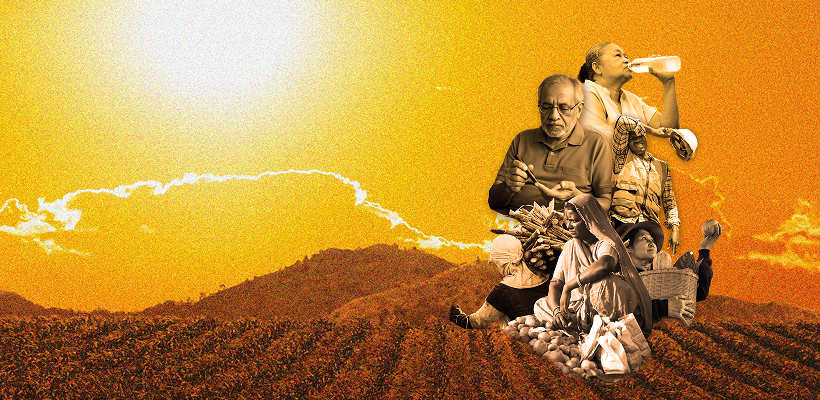
Why protecting kidney health matters in a warming world
How can societies protect kidney health as temperatures rise? Our latest report explores how heat affects the kidneys, who is most vulnerable and where action is needed now.

The future of self-care: realising its promise for people and health systems
How can health systems make self-care a safe, trusted and effective part of care? Our latest report examines how policymakers and health leaders can integrate self-care through stronger governance, sustainable financing and better ways to measure progress.

Vision 2030: Women's health and climate adaptation strategies
Future adaptation strategies to minimise the impact of climate change on women's health

Vision 2030: Climate adaptation for improved cardiovascular-renal-metabolic health outcomes
Future adaptation strategies to minimise the impact of climate change on cardiovascular-renal-metabolic diseases

Health literacy as a catalyst for women’s well-being and planetary health
There is an urgent need to improve health and planetary health literacy as it gives people, including girls and women, the skills to become agents of change for their communities and stimulate practices that improve their health and that of the environment, says Kristine Sørensen, founder of the Global Health Literacy Academy.

Climate Change Affects Cardiovascular Health
Climate change has profound effects on cardiovascular health, especially for people living in Africa, posing challenges to healthcare systems in how they best address this growing crisis through adaptation and mitigation measures.

Climate change and women’s health
Climate change is worsening health disparities, with women in low- and middle-income countries facing the greatest risks. Discover how healthcare providers can play a crucial role in improving outcomes.

Climate change and Chronic Kidney Disease in Outdoor Workers in Latin America
As climate change accelerates CKDnt cases, prevention is critical—especially for lower income outdoor workers who cannot afford expensive treatments.

Building resilient health systems
At a recent roundtable, experts highlighted the pressing need to enhance healthcare system resilience in the face of climate change for those in vulnerable populations.
End of carousel.