Impact Economist Logo

The Urban Performance Index

Gauging sustainable development in cities

Key findings

Hover to view

Cities perform best on measures of societal and economic well being, and weakest on governance and environmental sustainability.
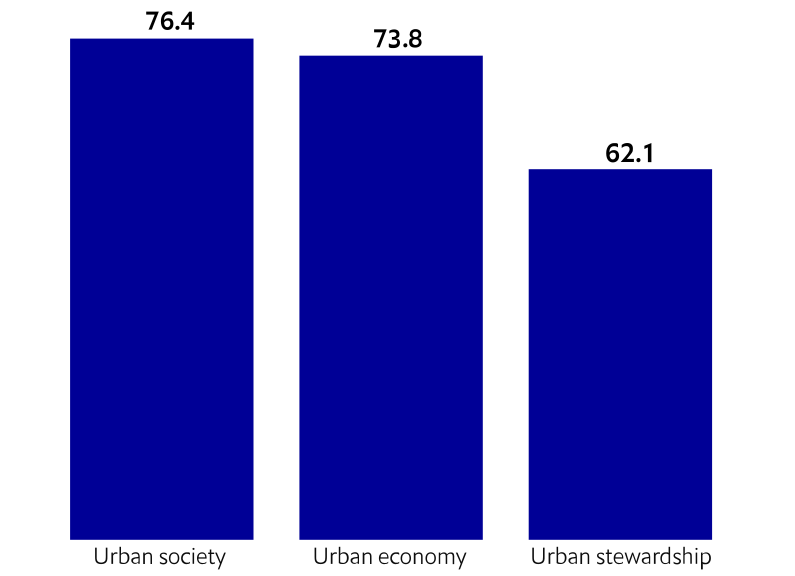
With the exception of Maceió and Maputo, most cities score the weakest on the UPI’s third domain—Urban stewardship.

Most cities have a high life expectancy and a low child mortality rate.
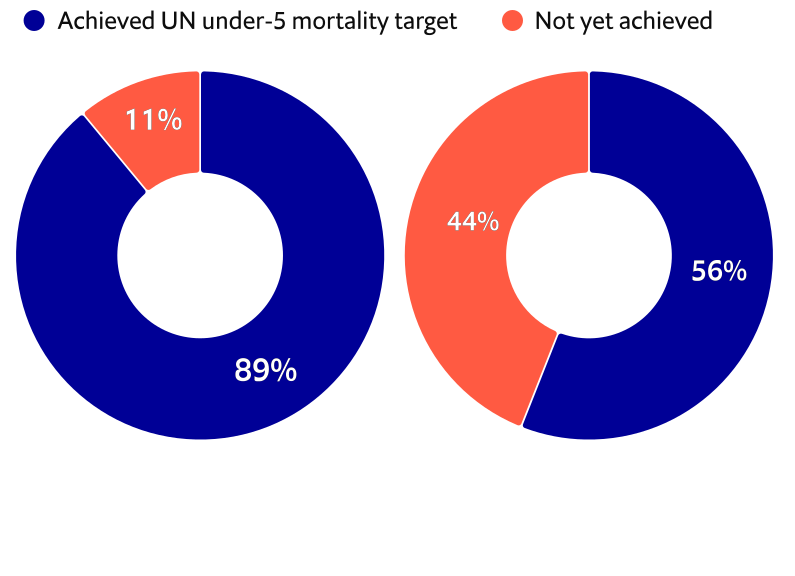
Most cities in the UPI have either achieved or are close to achieving the UN targets for life expectancy at birth and under-five mortality, reflecting rising living standards and access to health services.

Cities are engines of economic growth and opportunity.
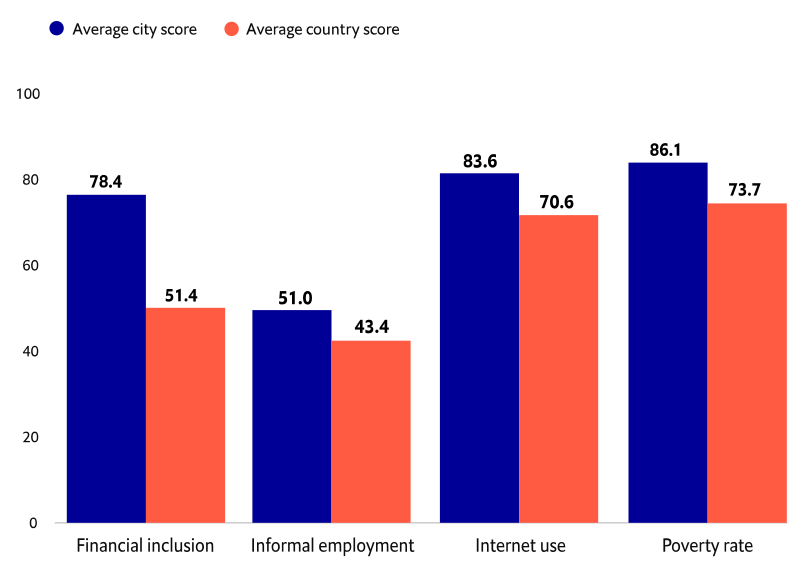
Compared to their respective countries, the cities included in the UPI often have lower rates of poverty and informal employment, and higher rates of internet use.

When it comes to greenhouse gas emissions, cities face different challenges.
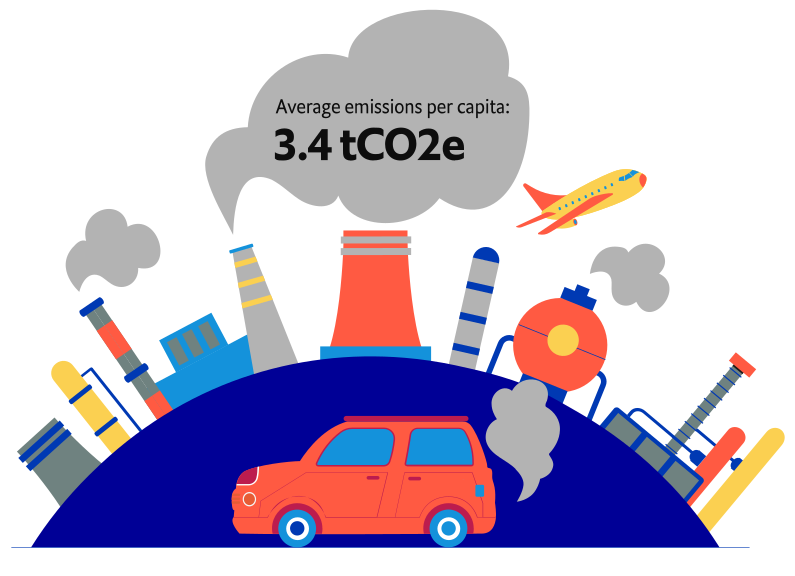
Some cities will need to maintain low levels of emissions while spurring economic growth; others must find ways to lower emissions while maintaining current levels of growth.

Cities are finding ways to include citizens in urban planning and decision-making.

As they do so, cities like Istanbul are focusing on encouraging the participation of women, youth and other marginalised groups.

Two-thirds of cities lack localised disaster risk reduction (DRR) strategies.
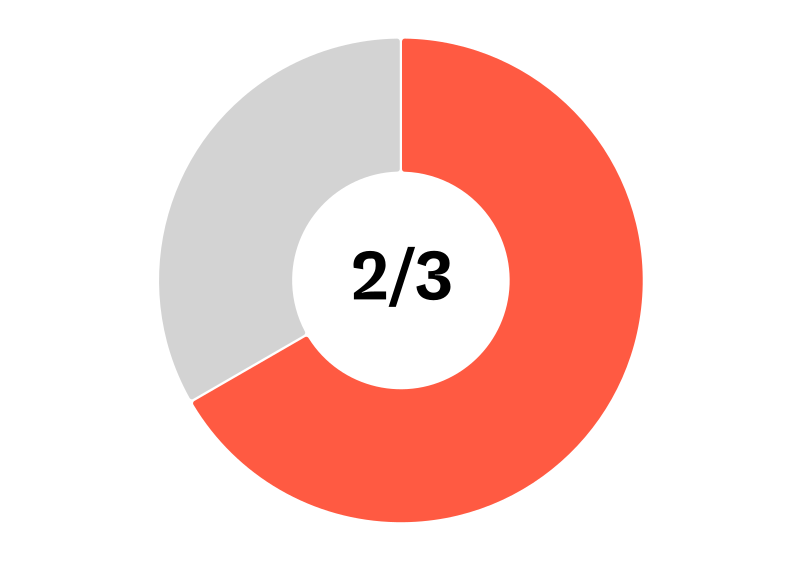
However, the three cities studied that do have DRR strategies have robust ones, with evidence of implementation, budget allocation and specific considerations for vulnerable populations.

2024 key findings report

Economist Impact, in collaboration with and with funding from UN-Habitat, has developed the Urban Performance Index (UPI), a framework designed to gauge sustainable development in cities globally. With precise and comprehensive metrics, the UPI aims to enhance the monitoring of sustainable urban development and enable informed decision-making by facilitating data collection, disseminating knowledge and identifying best practices.

Explore the Urban Performance Index data
Download 2024 dataExcel xls 718 KB
Download pilot dataExcel xls 420 KB

Pioneering with purpose

How cities are paving the way for cyclists and walkersFind out how Maputo, Bangkok and Ouagadougou are reimagining urban mobility by making walking and cycling safer and more accessible.View story
How cities are coping with surging wasteLearn how Reykjavik, Istanbul and Cali are finding sustainable solutions to overcome growing waste challenges.View story
How cities are building more affordable housingExplore how Kuala Lumpur, Maceió and Sfax are taking steps to build more affordable housing and support communities.View story
How Toronto is winning the public transport pursuitExplore how Toronto has built a public transport system that is accessible, affordable and inclusive.View story
How Dhaka is reclaiming its waterwaysDiscover how one of the world's most disaster-prone cities has equipped itself to deal with climate change and support social mobility.View story
How Mombasa is fighting to protect its blue economyLearn how this major east African shipping hub is working to curb pollution, protect marine life and create opportunities to lift people out of poverty.View story

City profiles

Click to view

Image Alt text
Advertisement feature

UN-Habitat: Leading the way in sustainable urban development

UN-Habitat is the lead UN agency for urban development. It is mandated by the United Nations General Assembly to work on making cities and human settlements socially and environmentally sustainable. UN-Habitat leads the implementation of the New Urban Agenda, adopted in 2016, and global efforts to achieve the urban targets of the Sustainable Development Goals.