
Making quality of life matter
Early diagnosis, person-centred care and appropriate support as part of an integrated treatment plan can improve outcomes for patients
Sponsored by

*This project was commissioned, funded and reviewed by Pfizer Inc. Economist Enterprise performed the research independently and retained full editorial control.
Back in 2010, Nic Puntis went to the doctor because he was suffering from a stomachache and indigestion. His doctor spotted that “something wasn't quite right,” and ordered an MRI. Three weeks later, Mr Puntis underwent what was initially thought to be a two hour surgery. Eleven hours later, the doctors had removed an eight centimetre gastrointestinal tumor and a quarter of Mr Puntis’ stomach.
Back in 2010, Nic Puntis went to the doctor because he was suffering from a stomach ache and indigestion. His doctor spotted that “something wasn't quite right” and ordered an MRI scan. Three weeks later, Mr Puntis underwent what was initially thought to be a two-hour surgery. Eleven hours later, the surgeons had removed an 8-cm gastrointestinal tumour and a quarter of his stomach.
Learning that he had Gastrointestinal Stromal Tumour (GIST), a rare cancer that begins in the digestive system, came as a shock—and naturally his first focus was survival. “The doctors told me the tumour had been removed with all margins,” Mr Puntis says. “That's what you want to hear when you have an operation, that margins are clear.” But a biopsy showed that he had an aggressive form of cancer with a high incidence of spread and recurrence, so he was placed on adjuvant treatment to reduce the risk. He would remain on the treatment for three years—and that is when his focus shifted to quality of life.
Learning that he had Gastrointestinal Stromal Tumor (GIST), a rare cancer that begins in the digestive system, came as a shock and naturally his first focus was survival. “The doctors told me the tumor had been removed with all margins,” he says. “That's what you want to hear when you have an operation, that margins are clear.” But a biopsy on the tumor showed that he had an aggressive form of cancer with a high risk of spread and recurrence, so he was placed on adjuvant treatment. He would remain on the treatment for three years—and that is when his focus shifted to quality of life.
Emotional stability, pain management, nutrition and coping techniques can make an enormous difference in the lives of those living with cancer. By looking beyond treating just the cancer to managing all patient needs, healthcare professionals can improve their patients' quality of life.1 Increasingly this is being recognised as an important measure of treatment success.2 Mr Puntis emphasises the importance both of early diagnosis and a holistic approach as critical to his care experience and outcome.
Early diagnosis and integrated care
Mr Puntis’s primary care doctor “really knew me, he’s been my doctor for 30 years,” he says. So from the start, Mr Puntis felt that he was seen as a person, not just a patient. In his case, he says, recognising the unusual symptoms of his cancer and fast-tracking detection made all the difference. But he believes that some medical professionals lack expertise in diagnosing and managing rare cancers. “A lot of doctors and surgeons think they're specialists in GIST and they're not, because they just see it as a stomach cancer,” he explains. Catching cancers early leads to better chances of survival, but also reduces pressure on the healthcare system. Only 54% of cancers in the UK are diagnosed in the early stages.3 It’s an aspect that should be improved, says Mr Puntis. Of course, part of the issue is that many patients do not seek help quickly enough. But other factors include long waiting lists for appointments, a lack of diagnostic equipment and the inherent complexity of some diagnoses.
“
Mr Puntis points out that improved collaboration between the NHS and patient advocacy groups could help to educate individuals and medical professionals about rare cancers.
”
Mr Puntis also advocates better integration between general practitioners and cancer specialists. He now works with national organisations and policymakers to improve early diagnosis and integrated care. “We help newly diagnosed patients who have just been told they've got a GIST, and they don't know that they've got to have a biopsy done, or we signpost them to a specialist cancer centre that deals with GIST. We also inform them that they are allowed to have a second [medical] opinion; a lot of people don't realise that.” Mr Puntis points out that improved collaboration between the NHS and patient advocacy groups could help to educate individuals and medical professionals about rare cancers. His charity is very active in another crucial area: better quality-of-life care during treatment.
Mr Puntis’ primary care doctor “really knew me, he’s been my doctor for 30 years,” he says. So from the start Mr Puntis felt that he was seen as a person, not just a patient. In his case, recognising the unusual symptoms of his cancer and fast tracking detection made all the difference, he says.
But he believes that some medical professionals lack expertise in diagnosing and managing rare cancers, “A lot of doctors and surgeons think they're specialists in GIST and they're not, because they just see it as a stomach cancer.” Catching cancers early leads to better chances of survival, but also reduces pressure on the healthcare system. Only 54% of cancers in the UK are diagnosed in the early stages.1 It’s an area that should be improved, says Mr Puntis. Sure, part of the issue is that patients don’t go to the doctors soon enough with an issue. But there are also long waiting lists for appointments, a lack of diagnostic equipment, and some diagnoses’ inherent complexity.

54%
Only 54% of cancers in the UK are diagnosed in the early stages1.



Not just surviving, but living

Cancer treatment can be physically, mentally and financially draining. “I went through two months of not being able to eat solids at all and was taking liquid protein shakes. Incisions were made to my stomach muscles, which impacted my balance and meant that I had to use a walking stick,” says Mr Puntis.
Cancer staff are supportive, he agrees, but their focus is on treatment and survival. Many hospitals, he says, tell patients: “You’ve got a rare cancer. We are going to take it out and you should be fine”—and that’s it. But that’s not it. Patients need emotional support—which Mr Puntis received from patient advocacy groups and charities.
Unfortunately, many people living with cancer don’t find that support. Hospitals could and should point patients to the charities, Mr Puntis says. That’s step one. Step two is persuading patients to accept help. “A lot of patients don’t accept that they've got cancer or don't want to talk about it.” But once they do engage with support charities, they’re really pleased because of the amount of help and support that they get, he adds. “The first thing I say in my opening words [at a meeting] is: ‘You’re going to hear me say “positive mental attitude” a lot.’ I like to think people come out of those meetings feeling more buoyant than they did when they went in. That, to me, is a big part of it. A lot of people do need and use psychological help.”
“
The first thing I say in my opening words (at a meeting) is: ‘You’re going to hear me say “positive mental attitude” a lot.’ I like to think people come out of those meetings feeling more buoyant than they did when they went in. That, to me, is a big part of it.
”
These support groups also provide the everyday practical advice that is so critical—for example, on issues such as coping with side effects like fatigue and nausea, and the long recovery from surgery and chemotherapy.
Hospitals could and should point patients to the charities.” he says. “That’s step one.
Step two is persuading patients to accept help.
Hospitals could and should point patients to the charities.” he says. “That’s step one. Step two is persuading patients to accept help.
“
”
Easing the financial burden




Going through cancer treatment is difficult enough for patients and their families, but the financial impacts can cause additional stress. Mr Puntis had taken out a private critical illness policy that provided his family with significant financial support during his treatment. Although public financial support schemes are available, he questions whether they fully meet the needs of those unable to work for extended periods, and he therefore encourages self-employed individuals to consider obtaining supplementary private insurance.
Spreading the word on support
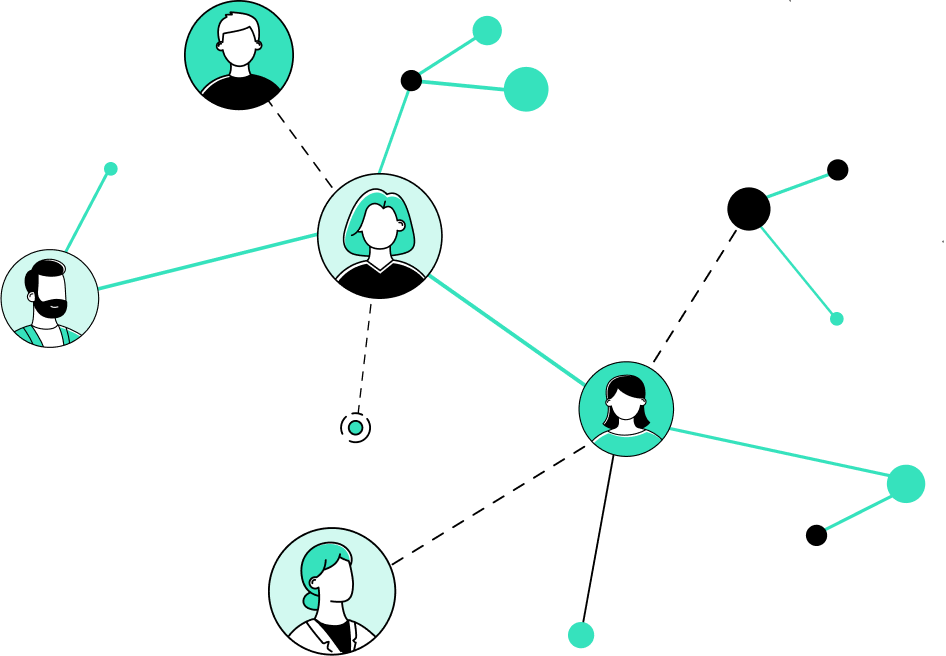


Mr Puntis wants every single hospital that deals with cancer to know that there is a patient advocacy body or charity there to help, and to direct the patient to that service. He also calls for literature to be available in the hospitals so patients can easily find the help they need.
“
Going through cancer treatment is difficult enough for patients and their families, but the financial impacts can cause additional stress.
”


References
- Bognár, S.A., Teutsch, B., Bunduc, S. et al. Psychological intervention improves quality of life in patients with early-stage cancer: a systematic review and meta-analysis of randomized clinical trials. Sci Rep 14, 13233 (2024). https://doi.org/10.1038/s41598-024-63431-y
- EORTC. Quality of life. https://qol.eortc.org/quality-of-life/ (accessed May 2025)
- https://www.hee.nhs.uk/our-work/primary-care/improving-cancer-diagnosis-earlier-detection (accessed May 2025)
PP-UNP-GBR-13576, October 2025
The findings and views expressed do not necessarily reflect the views of the sponsor. Economist Enterprise retains full editorial control over research and is solely responsible for all content.