
Infrascope 2025/26


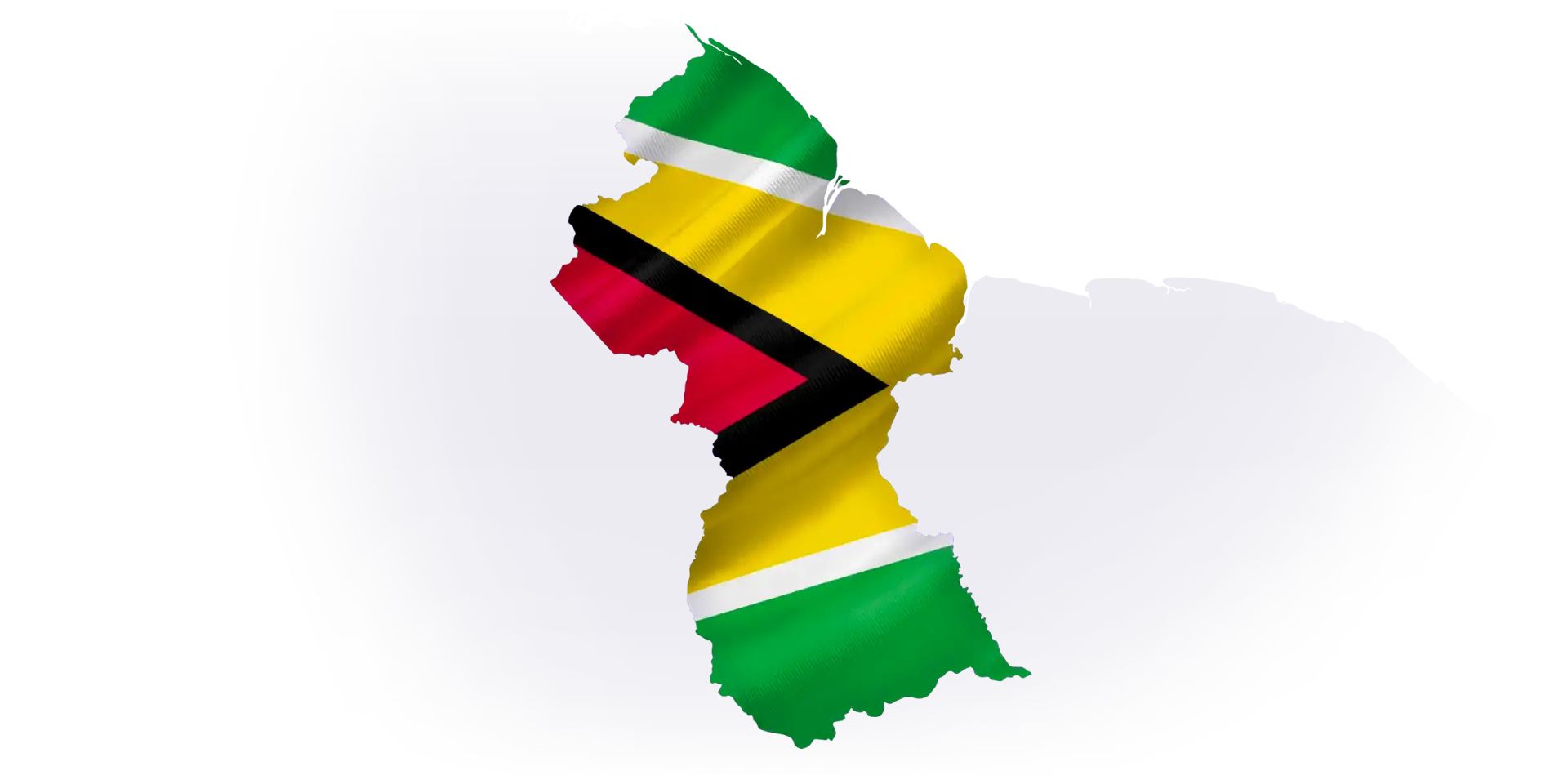
Guyana
Score: 30.9
out of 100
Rank: 20th
out of 26 countries
Despite adopting a public-private partnership (PPP) framework in 2018, Guyana has struggled to establish the institutions needed to implement it or translate its policy ambitions into completed projects. Renewed efforts to attract private financing for major energy infrastructure could provide fresh momentum, but institutional and project preparation capacity remains limited. Turning these opportunities into successful transactions will be an important test of Guyana's PPP framework.

MACRO ENVIRONMENT
Population, 2025836,000
Source: The Economist Intelligence UnitGDP (US$), 2025$27.1bn
Source: The Economist Intelligence UnitSovereign risk rating, Oct 2026n/a
Source: S&P Global RatingsPPP INVESTMENT
Number, 2016-25*-
Source: IJ Global‡Total (US$), 2016-25-
Source: IJ Global‡% of all infrastructure investment, 2016-25†-
Source: IJ Global,‡ Infralatam, Economist EnterprisePolicies and institutions
Guyana's PPP framework remains a work in progress, with limited institutional capacity to support project development and implementation. The 2018 PPP Policy Framework, operating alongside the Procurement Act 2003, establishes principles for project selection, competitive procurement, risk allocation and contract management. It envisages a PPP Core Team within the Ministry of Finance and a high-level Steering Committee, but their subsequent operational status remains unclear.1 In 2019, the government also allocated funding for a broader project preparation facility to support feasibility studies and project design, although only a small share was spent and its subsequent development and role in PPP preparation remain unclear.2,3 No major PPP-specific reforms have been identified since the previous assessment.
Recent market developments
Guyana's PPP market remains nascent, although renewed procurement activity points to potential opportunities in energy infrastructure. The government has sought private financing for the second phase of its Gas-to-Energy project under a long-term power purchase agreement,4 while the Amaila Falls hydropower project is being procured through a build-own-operate-transfer model, with bids under evaluation as of September 2026.5 Both represent prospective PPPs rather than completed transactions. Meanwhile, the proposed Corentyne River Bridge with Suriname continues to face financing and bilateral coordination challenges.6 These initiatives demonstrate growing interest in PPP-style delivery, but remain individual project efforts rather than evidence of a coordinated national PPP pipeline or established transaction track record.
Political and public support
Political support for PPPs has extended across successive administrations. The former APNU+AFC government introduced the 2018 PPP Policy Framework and subsequently pledged to activate a dedicated PPP unit in its 2020 election manifesto.7,8 The current People's Progressive Party/Civic administration has expressed support for broader public-private collaboration and pursued PPP-style infrastructure projects.9 However, despite the president's public support, the government has not published a dedicated PPP agenda. There is little documented vocal opposition to PPPs among political parties, civil society or commentators, but broad political acceptance has yet to translate into a sustained national PPP program or substantial transaction activity.
Notable strengths
Although Guyana's regulations and institutions score below the regional average overall, several features of its PPP policy compare favorably. Procurement provisions are relatively comprehensive, while arrangements for disclosing and overseeing contract changes place it above the regional average for transparency and oversight. Contingent liability arrangements and lenders' step-in rights also stand out within risk management, although these safeguards remain largely untested. Favorable capital-market indicators could help attract private financing as Guyana develops its PPP pipeline.
Notable challenges
Project preparation and sustainability is Guyana's clearest relative weakness, ranking 23rd of 26 countries. Despite policy-level provisions for needs assessments and economic appraisal, it lacks a national infrastructure plan, standardized assessment tools and systematic project prioritization criteria that incorporate environmental and social considerations. The lack of an operational PPP unit or dedicated project preparation support compounds these weaknesses. Meanwhile, limited reporting on upcoming or ongoing PPPs constrains transparency.
Recent progress
Guyana has made limited progress on strengthening its PPP framework since the previous assessment. The Arbitration Act 2024 modernized general dispute-resolution arrangements,10 but no significant improvements have been documented in PPP-specific institutions, project preparation or oversight. Nevertheless, renewed procurement efforts for Amaila Falls hydropower and Gas-to-Energy Phase II suggest growing opportunities for privately financed infrastructure. While these projects have yet to establish a completed PPP track record, their advancement could provide valuable experience in developing and implementing future partnerships.
Top five recommendations for progress
(ordered according to index category)
1
Operationalize and strengthen the national PPP unit
Activate the PPP Core Team envisaged under the 2018 framework, with dedicated staff, technical expertise and specialized training. Equip it to coordinate project development, support contracting authorities, and oversee the preparation and implementation of PPPs.
Timeline to achieve
Medium term
Difficulty to achieve
High
Impact on category 1: Regulations and institutions
Guyana: current score
54.5
Score with recommendation applied
79.5
2
Develop a national infrastructure plan and prioritization criteria
Establish a multiyear national infrastructure plan that identifies priority investments and potential PPP opportunities. Introduce transparent criteria for selecting and prioritizing projects, incorporating economic needs, fiscal considerations, and environmental and social sustainability objectives.
Timeline to achieve
Medium term
Difficulty to achieve
Medium
Impact on category 2: Project preparation and sustainability
Guyana: current score
14.2
Score with recommendation applied
38.2
3
Develop standardized project appraisal methodologies
Develop and publish standardized methodologies and practical tools for cost-benefit analysis, fiscal affordability and value-for-money assessments. Require their consistent application to prospective PPPs and other procurement modalities, building on existing policy provisions to improve project selection and bankability.
Timeline to achieve
Medium term
Difficulty to achieve
High
Impact on category 2: Project preparation and sustainability
Guyana: current score
14.2
Score with recommendation applied
23.0
4
Establish dedicated PPP project preparation resources
Build on earlier efforts to establish a public investment preparation facility by allocating dedicated funding and technical support for PPP feasibility studies, transaction structuring and project development. Coordinate these resources through the operationalized PPP unit.
Timeline to achieve
Long term
Difficulty to achieve
Medium
Impact on category 2: Project preparation and sustainability
Guyana: current score
14.2
Score with recommendation applied
28.8
5
Publish a PPP pipeline and ongoing project reports
Publish and regularly update a national pipeline of prospective PPP projects, including their development and procurement status. As projects are awarded, provide periodic public reports on implementation progress, performance and significant changes to contractual arrangements.
Timeline to achieve
Short term
Difficulty to achieve
Low
Impact on category 4: Risk management and contract monitoring
Guyana: current score
42.7
Score with recommendation applied
55.2
Assessment guidance:
Short term: achievable in months (ie, straightforward activities such as procedural updates)
Medium term: up to a year (ie, moderately involved activities such as building web platforms)
Long term: more than a year (ie, time-consuming activities such as new legislation/institutions)
Difficulty/complexity: rated as low/medium/high—often mirrors the time frame, but can differ based on how technical it is, how many resources are needed and how politically challenging it is, etc.
1. https://dpi.gov.gy/government-pushing-public-private-partnerships/
2. https://finance.gov.gy/wp-content/uploads/2021/01/Budget-2019-Speech.pdf
3. https://parliament.gov.gy/documents/documents-laid/23001-auditor_general_report_vol_i.pdf
4. https://finance.gov.gy/wp-content/uploads/2026/01/Budget_Speech_2026.pdf
5. https://dpi.gov.gy/amaila-falls-bids-under-evaluation-as-us-exim-bank-signals-financing-interest/
6. https://minfor.gov.gy/statement-honourable-minister-foreign-affairs-and-international-cooperation-guyanas-position
7. https://dpi.gov.gy/government-pushing-public-private-partnerships/
8. https://afcguyana.com/afcnew/wp-content/uploads/2020/02/APNU-AFC-Manifesto-2020-SGB.pdf
9. https://op.gov.gy/enhanced-govt-private-sector-partnerships-will-create-greater-opportunities-build-transparency-president-ali/
10. https://www.parliament.gov.gy/new2/documents/acts/24024-act_no._6_of_2024.pdf
Infrascope 2025/26
Score 0–100 where 100 = best, rank out of 26 countries
Nascent
0 to <30
Emerging
30 to <60
Developed
60 to <80
Mature
80 to 100


