Wiring what’s next: The infrastructure race behind AI
The race to scale artificial intelligence is colliding with shortages of power, equipment and capital
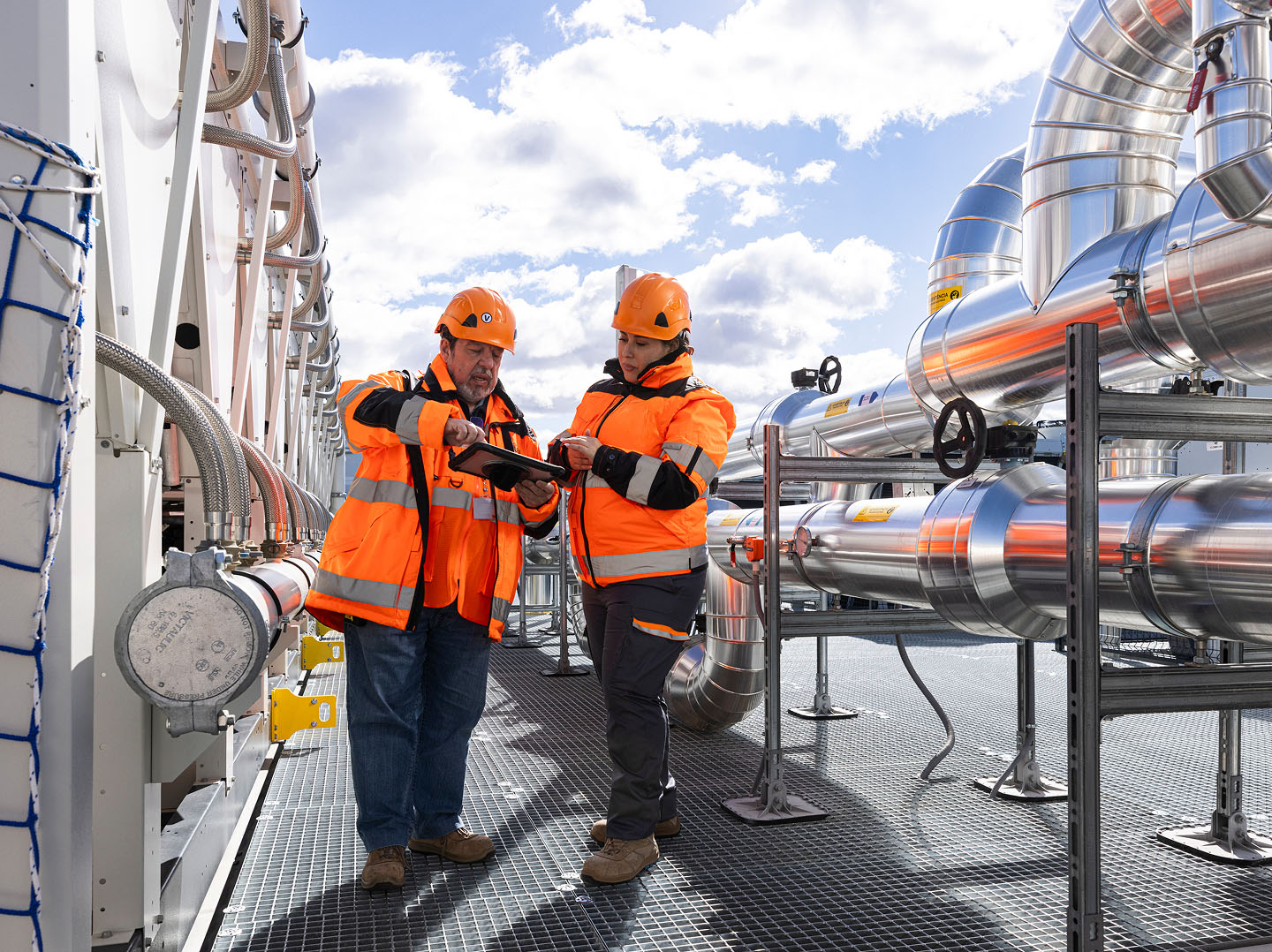
AI data centres need vast amounts of electricity, but delivering that power through the grid can take years as shortages of transformers and other transmission equipment slow new connections. Silicon Valley fuel-cell maker Bloom Energy, however, brought an on-site power system for Oracle online in just 55 days. Such speed is becoming increasingly valuable as the world races to build the digital infrastructure needed to run the large language models behind the AI boom. Yet the build-out is running into constraints on several other fronts, too. Semiconductors, water, land and, crucially, capital can all hold up development, although electricity is the most pressing constraint. “The grid was just not designed to add the quantum of new capacity on the kind of timeline that we’re now looking for,” says Lief Williams, managing director in Brookfield’s infrastructure group. The United States may need more than 230 GW of additional generating capacity over the next five years, according to Bank of America, with data centres expected to account for more than half of the increase. Investment in generation is rising rapidly, but bottlenecks keep appearing elsewhere in the system. Large transformers needed to step up the voltage of electricity for long-distance transmission, or to step it back down for use, for example, can face multi-year delays before coming on stream.

The grid was just not designed to add the quantum of new capacity on the kind of timeline that we’re now looking for.”
Lief Williams, managing director in Brookfield’s infrastructure group
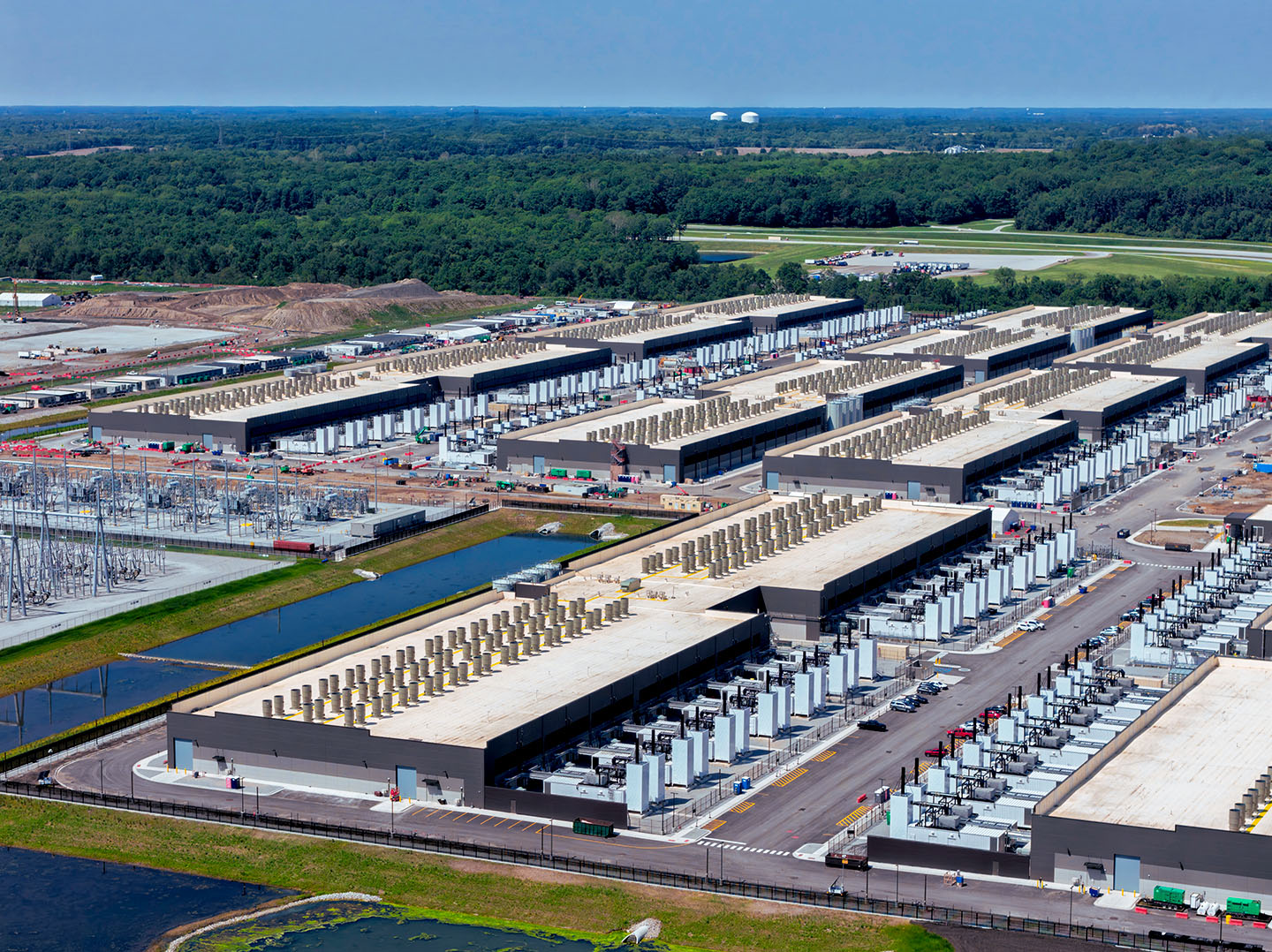
A shorter route to power Rather than wait for new grid capacity, some data-centre operators are generating power on-site. Bloom Energy’s solid-oxide fuel cells convert natural gas directly into electricity through an electrochemical reaction rather than combustion, providing power that can be installed alongside the data centre. Because the systems are modular, capacity can be installed progressively as a data centre’s power needs grow. That can shorten the time between completing a facility and having enough electricity to run it, and can ensure that power is available before construction is complete. Fuel cells also ease some of the other pressures surrounding new data centres. Bloom says its system requires no water during normal operation, because the electrochemical reaction itself generates enough water to keep fuel cells cool. High power density also reduces the land required for generation. Because the electricity is not generated by combustion, emissions of pollutants such as nitrogen oxide and sulphur dioxide are also very low. “Bloom has been keeping communities running for the better part of two decades, and the first question we often get is about water,ˮ says Aman Joshi, Bloom Energyʼs chief commercial officer. "Our systems don’t use any to generate power. The second question? Noise. Since we’re not combusting, our systems operate under 65 decibels—that’s the equivalent of library-level sound."

Who pays for the build-out? Power may be the most immediate constraint, but building AI infrastructure at this scale also requires enormous amounts of capital. McKinsey estimates that data centres will require US$6.7trn of investment worldwide by 2030.
Hyperscalers such as Amazon, Meta and Google are spending heavily, increasingly turning to debt and credit markets to finance data-centre build outs. In 2025, the sector issued about US$121bn of new debt, as capital expenditure increasingly exceeded operating cashflows, BNY Mellon reports. The borrowing surge has widened credit spreads for some companies.
Long-term infrastructure capital offers another route. Brookfield Asset Management, which invests across power, data centres and other infrastructure, recently expanded its financing framework with Bloom from US$5bn to US$25bn for AI power projects using Bloom’s technology. The aim is to finance power infrastructure over time rather than require customers to bear the full cost upfront.
“Hyperscalers are looking for solutions where they can shrink their capex and spread it out over 15 years or 20 years, and, as an asset manager, that’s exactly what we can do,” says Mr Williams.
Since we’re not combusting, our systems operate under 65 decibels—that’s the equivalent of library-level sound."
Aman Joshi, Bloom Energyʼs chief commercial officer
The value of overlap Brookfield’s role extends beyond financing. The company owns and operates data-centre developers on most continents, leasing capacity to companies seeking to provide low-latency AI services as well as traditional cloud computing.
“The hyperscalers really look at us because they don't have big teams locally, but we do,” explains Mr Williams. “We've been in Brazil for 100 years, for example. We've got massive teams in São Paulo and Rio, and we can navigate getting power and getting the data centre set up.”
Brookfield is also one of the world’s largest power investors in its own right, with substantial renewable capacity, and a majority stake in Westinghouse, one of the world’s leading nuclear technology providers. Its renewables business has also struck long-term agreements to provide power to Google and Microsoft data centres, in each case the largest in their categories at the time.
AI may be sophisticated software, but taking it global is increasingly a hardware problem. Better models will matter little without a parallel build-out of the electricity, equipment and capital needed to run them.
Related articles
Moving what’s next: The new map of global trade
Powering what’s next: The new economics of reliable energy