



Bridging science and AI: How one Peruvian student is working to improve public health
At 17, Fabricio Chimoy Ayala moved to Lima to pursue a bachelor’s degree in biology and his passion in science—a journey that led him to discover an unexpected interest in technology, thanks to Samsung Innovation Campus.
As the second Samsung youth tech initiative he had participated in, after Solve for Tomorrow, the programme introduced him to the world of coding and AI, and strengthened his technical skills, opening up new possibilities for research and real-world application in public health.
My fascination with science started when I was in my last year of high school.
What captivated me wasn’t the subject itself, but the process of turning complex ideas into something people could actually understand and trust. Inspired by other Spanish-speaking science content creators, I wanted to share my knowledge with my community and apply what I learn for the good of society.
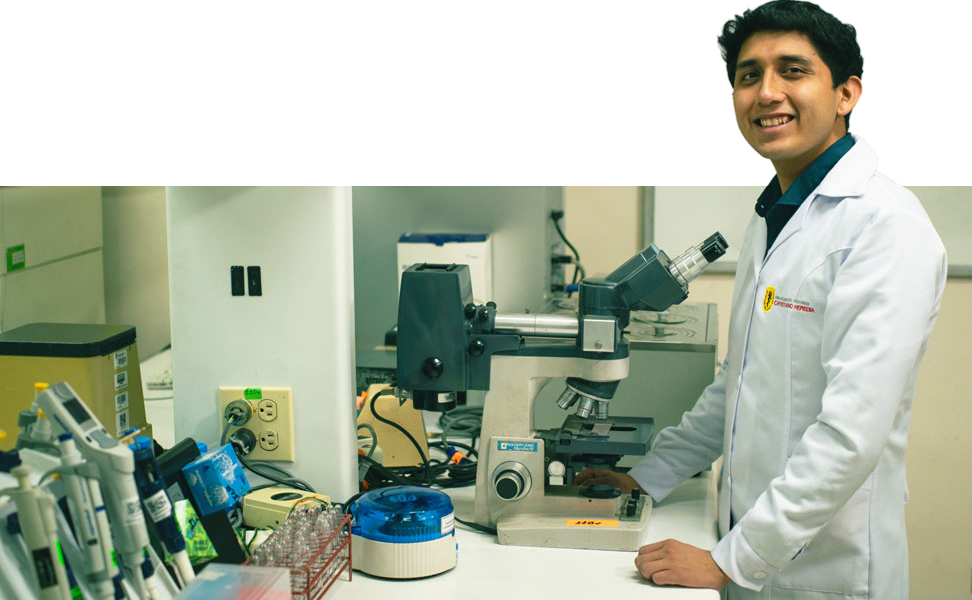
This led me to take part in Samsung’s Solve for Tomorrow initiative the following year in 2020, a global competition that encourages young people to develop their skills in science, technology, engineering and mathematics to address challenges in our environment. I thought about Pomalca—the town where my grandfather spent his life working in sugarcane fields—and how limited access to electricity meant unlit streets at night, creating dangers for drivers and pedestrians. Together with fellow students, we proposed using sugarcane residue from local mills to generate electricity to power streetlights, an idea that took us to the final round of the competition.
Four years later, in 2024, I participated in another Samsung flagship youth tech programme, Samsung Innovation Campus, which made me the first student in Peru to take part in both initiatives. Competing in Solve for Tomorrow reinforced my belief that science can and should be personal, while Samsung Innovation Campus brought me one step closer to my goal of using science to make a difference in society.
Building a bioimaging future
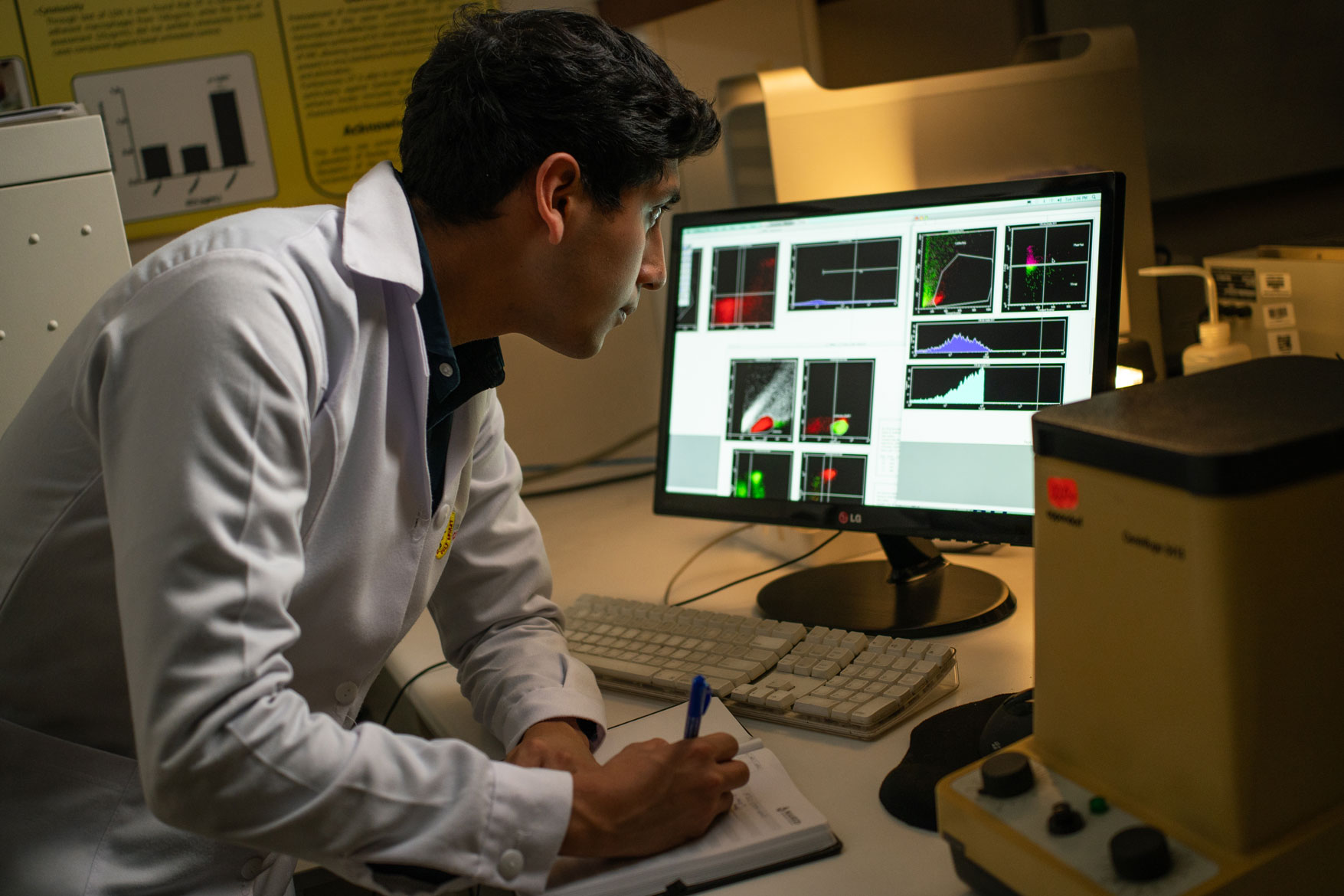
After high school, I moved with my family from Chiclayo in Northern Peru to the capital city Lima to study for my bachelor’s degree in biology. I started out with a focus on molecular biology but over the years, I became particularly fascinated by bioinformatics—the use of computing and mathematics to process and analyse complex biological data. The problem was, I didn’t have many technical skills at that point. I had no experience in computing nor knowledge of any coding languages. That’s why Samsung Innovation Campus caught my attention: a free, tech training programme aimed at young innovators like myself, it seemed like the right place to strengthen my programming skills, sharpen my professional profile and build leadership abilities.
Attending Samsung Innovation Campus alongside my university studies meant I could make faster progress in my research. For three afternoons a week, I would learn how to code, and how to interpret scientific data visualisation and medical imaging data. The rest of the week, I would apply what I had been learning—including Python and machine learning—to my school’s bioinformatics classes. As a result, I started using software tools like Napari in my bioimaging research, which I would have treated as a black box otherwise.
I also loved getting the opportunity to work with students from other disciplines. For my capstone project, I teamed up with programming undergraduates. Together, combining their coding skills and my biology background, we wanted to see how artificial intelligence (AI) could support early disease diagnosis. So we trained an AI model to analyse lung scans and detect signs of cancer, incorporating deep learning frameworks that we used throughout Samsung Innovation Campus. This experience showed me how much of the scientific workflow could be automated through code, not to replace the science, but to free up time for the parts that need human insight. It’s a lesson I still think about to this day.
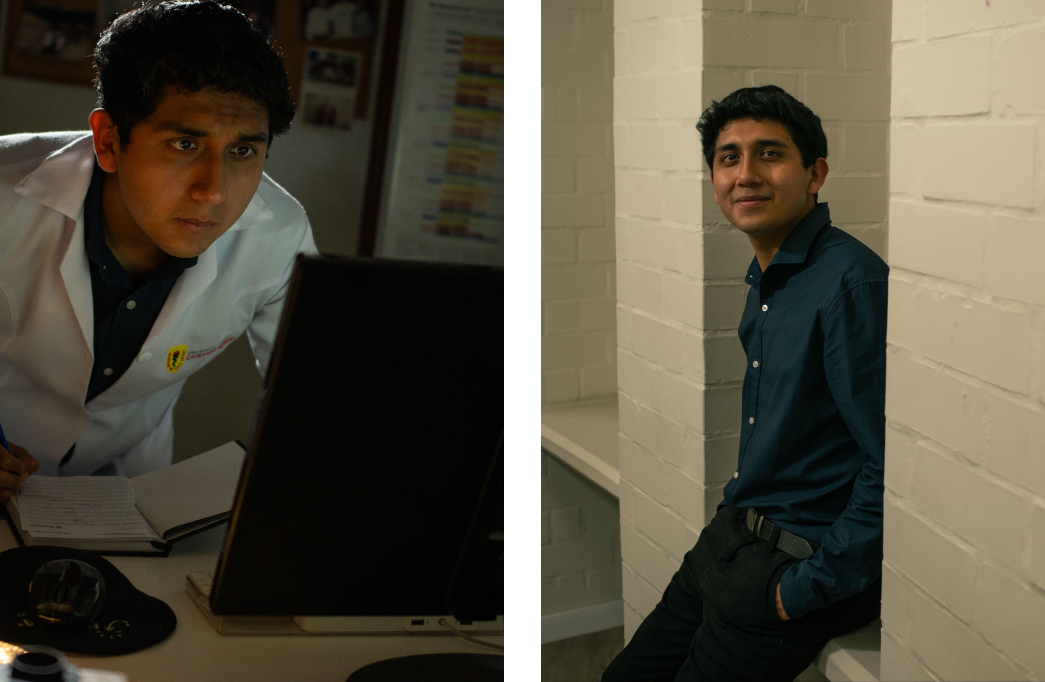
Another aspect of the programme I found valuable was its well-rounded curriculum. Aside from technical skills, it also taught me essential professional development skills, from writing a CV and building a LinkedIn profile, to networking and presenting my ideas with confidence. In Peru, students are often hesitant to promote their work, and this experience helped me become more comfortable communicating mine.
Research without borders
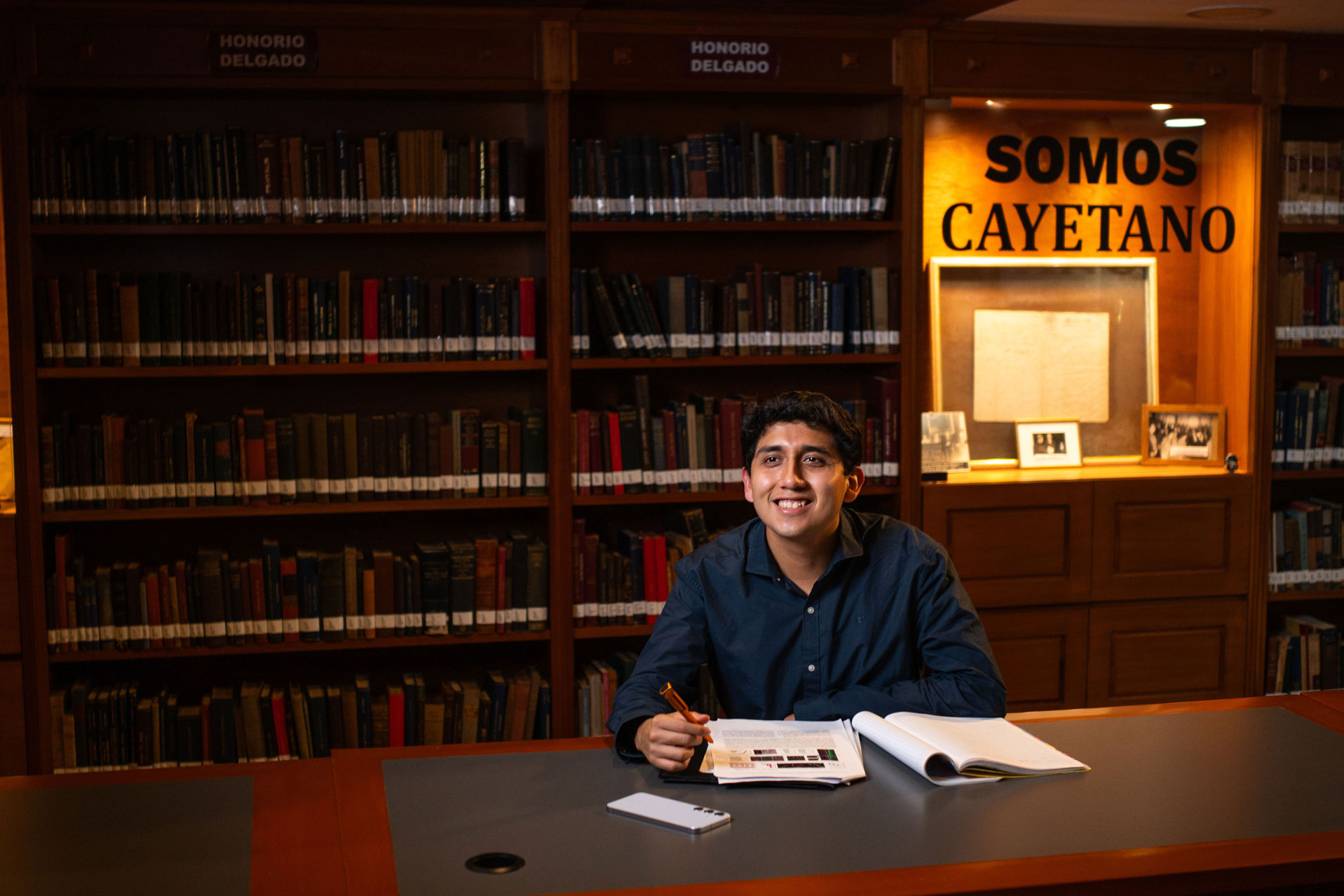
Equipped with new skills from Samsung Innovation Campus, I was inspired to explore ways I could combine my passions for science and technology. I have been applying AI models to my immunology research, and using machine learning for bioimage analysis that could help with the diagnosis of diseases. As this technology is new to our university, I am training postgraduate students in its application, a process made easier thanks to the communication skills I developed at Samsung Innovation Campus, which I use in my teaching.
Looking ahead, I plan to become a specialist in bioimaging analysis, with a focus on infectious diseases and physiopathological conditions. In the long term, I want to build a stronger bioimaging community in Peru, where students in places like my hometown Chiclayo will have the same access to knowledge as students in major research hubs.
I also want to improve scientific literacy through clear and accessible communication. This means erasing the distance between science and the people who need it most. I believe closing that gap in Latin America would let us solve our own health and research challenges, instead of looking elsewhere for answers.
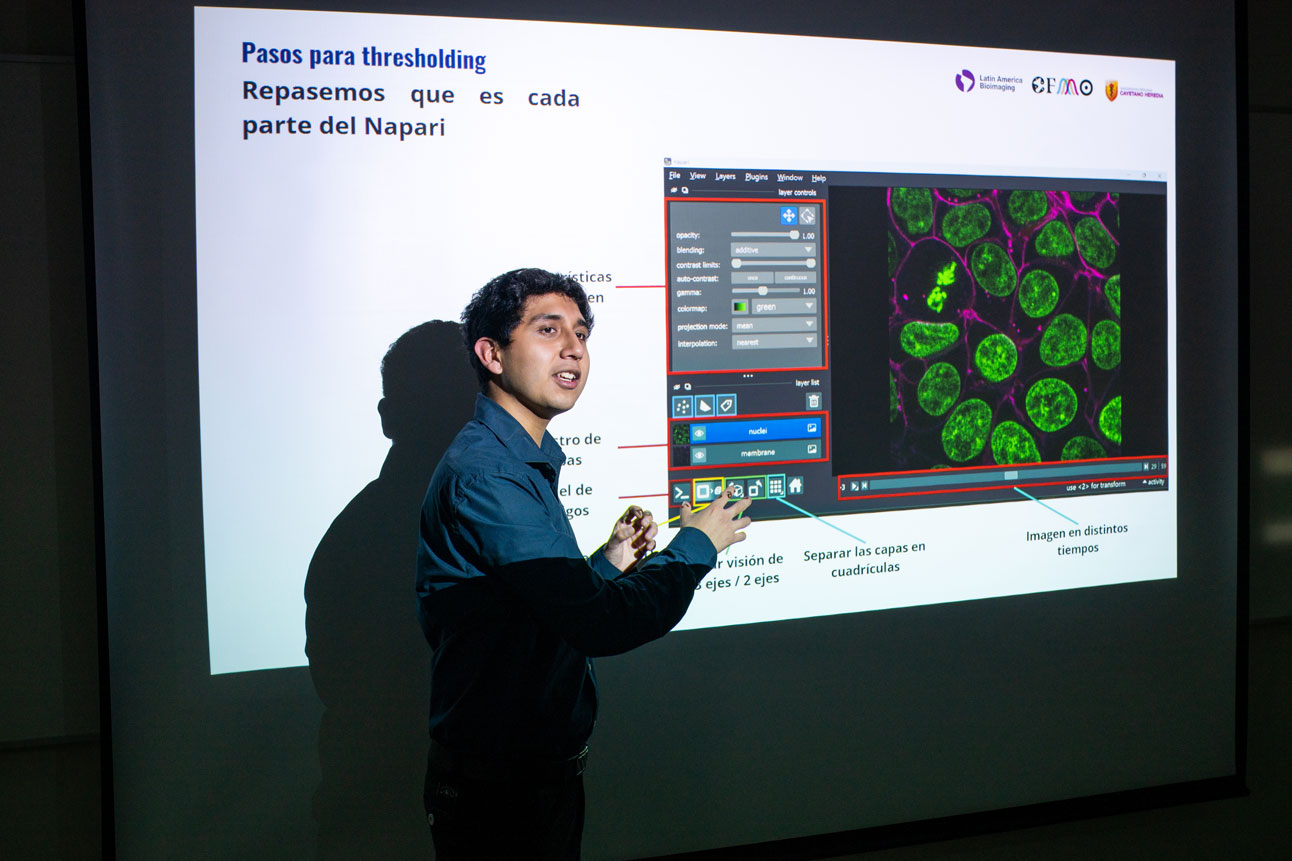
By providing access to AI and coding classes, Samsung Innovation Campus allows students like me, who are not studying technology, to develop a more interdisciplinary approach to our studies and learn to collaborate across subjects. I am grateful to the opportunities the programme has given me, and I hope to use what I have learnt to support public health and disease prevention, and make science a tool for progress and hope.


What is the Samsung Innovation Campus?
Samsung Innovation Campus is a global education program that helps youth build advanced IT skills and practical capabilities to create better opportunities. The program offers structured AI education suitable for the digital age, along with hands-on training, expert mentoring, and instruction in key future technologies like big data and IoT. Tailored programs are available for marginalized groups such as people with disabilities and women, to expand access to IT education.
Graduates pursue various career paths including IT employment, tech-driven startups, and social impact initiatives. Since its launch in 2013, more than 204,000 youth in 40 countries have joined the program, using technology to design their future and realize greater potential.


Inclusive technology: How one Turkish student is applying AI to accessibility
A toy robot sparked her curiosity as a child, and that fascination never faded.
Today, Nisa Nur Taş is using artificial intelligence to build a more inclusive, accessible world — creating tools that help people with disabilities navigate cities with greater independence.