
Supported by

Supported by
Amid global volatility, energy systems around the world are shifting from centralised, fossil fuel-based networks to more distributed, renewable-powered systems. This transition—driven by the need to cut emissions and unlock affordable, low-carbon energy—requires not only more generation and storage, but smarter demand management. Consumers are becoming more active participants, using technologies like EVs, smart thermostats and home batteries to optimise their energy use. However, households continue to face rising costs and their ability to engage with the energy landscape is significantly shaped by their access to information, technology and funding.

Our survey showed that trust in scientists and technical experts was high, with 79% of respondents seeing them as the most neutral and competent voices. Friends and family come next (70%). The bodies that bill households and regulate the market sit on shakier ground. Utilities and energy providers still command fairly high trust (64%).
Trust varies by geography. Trust in providers is relatively high in Asia Pacific (70%) and North America (66%), although consumers are increasingly disgruntled by rising rates. Across much of Europe, where energy became a front-line political issue after Russia’s invasion of Ukraine, it is more fragile (56%).
Energy systems are becoming more digitised and less visible, relying increasingly on AI-enabled appliances and provider-led automation. But willingness to adopt these technologies varies sharply with trust. Among those with “strong trust” in institutions, 82% would use AI-powered appliances and 78% are comfortable with automated energy management. Among all other respondents, this falls to 48% and 44%, respectively—highlighting how confidence in the system underpins adoption.
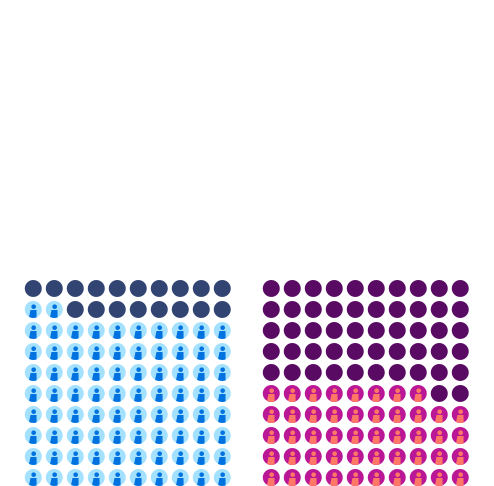
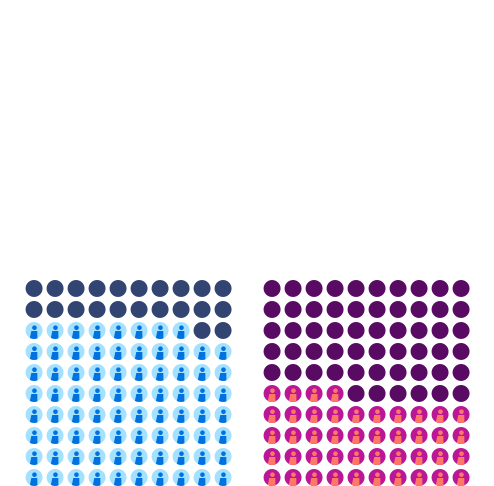
Public awareness of energy issues is high. Concerns about affordability, energy security and the climate crisis are felt across countries and demographic groups. But our data suggest that awareness alone rarely prompts action to adopt new technologies. For that to happen consumers need tangible financial support that lowers risk fo households.
Two-thirds of respondents (67%) say a cash contribution or government grant would be influential in their decision, similar to the proportion who cite improved quality of life (68%).
Our survey found broad support for decarbonisation. A quarter of respondents see it as a top policy priority—second only to provision of affordable energy to all. But that support comes with conditions. Despite lower operation costs, people associate green energy with higher prices; most survey respondents (65%) express concerns that moving to renewable energy will raise their household energy bills.

But even if affordability still tops the list (38%), consumers’ policy priorities are shifting. “Affordable energy” remains the leading priority across big markets, but energy independence and security have gained ground as consumers draw a clearer link between domestic renewables and national resilience. Events in Iran and Ukraine will only amplify these concerns. The argument is moving from “cheap energy” to “secure and affordable energy”.
Key finding 01/05
Advertisement feature
Discover the articles
3D Interactive

Building resilience in an age of extremes
North America's power infrastructure now confronts unprecedented 21st-century challenges. Blackouts affect thousands, cause billions in economic damage and leave vulnerable populations at risk.
Explore an interactive 3D model revealing both critical vulnerabilities and promising technologies reshaping America's energy grid.
Multimedia article

How Texas is writing the next chapter of America’s energy future
Texas epitomises America’s energy paradox: an oil production powerhouse and, increasingly, a leader in renewables. While the state grapples with the realities of climate change, it is finding impressive ways to foster energy resilience through technology and consumer participation.
Discover how utilities are partnering with communities to reshape Texas’s energy future.