

The boomtown that kept building
Winnipeg’s rise was shaped by trade, transport and geography. Its 21st-century success is driven by ideas.
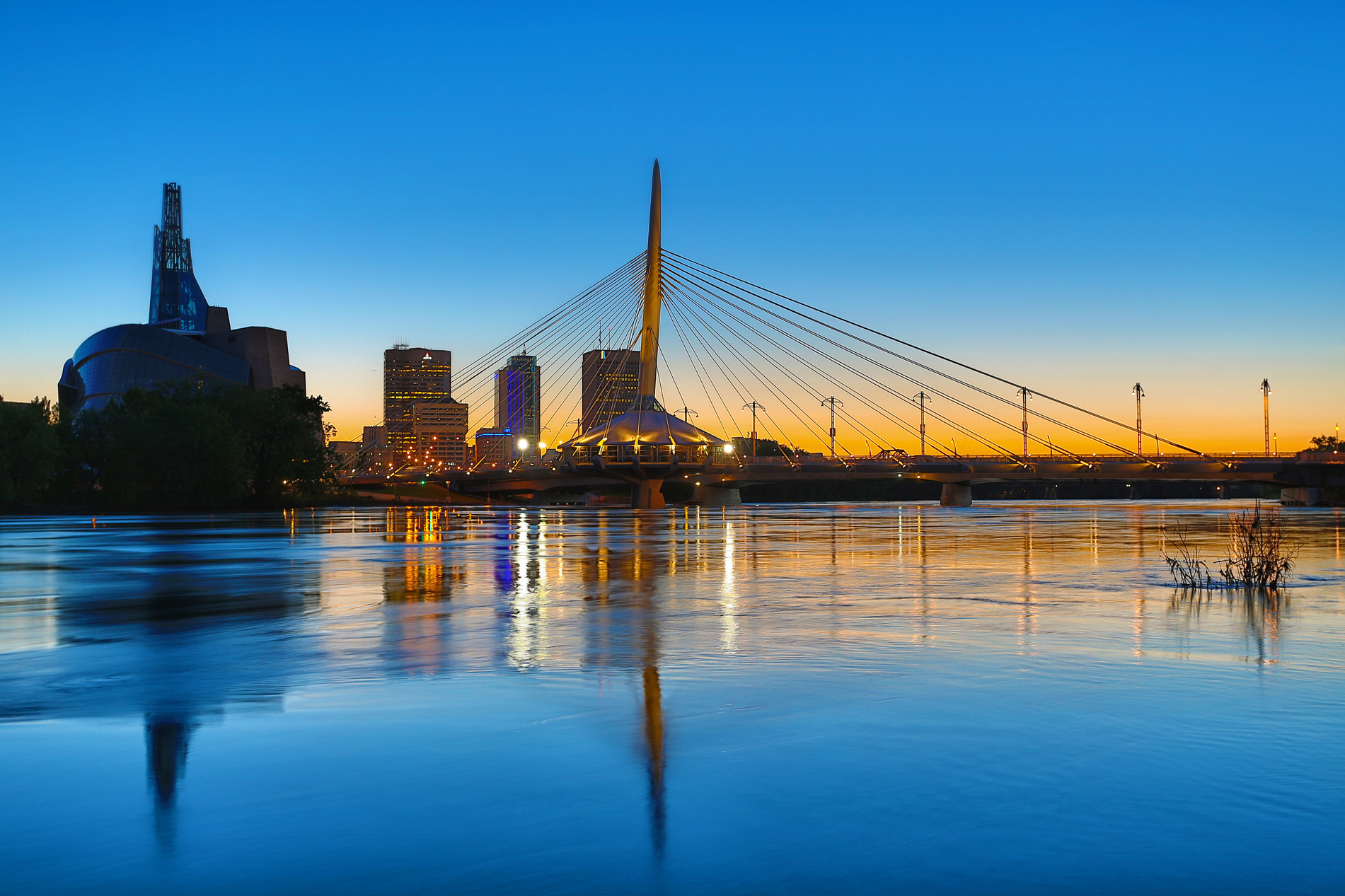
Winnipeg has always been a city of convergence. Long before it became Manitoba’s capital, the meeting point of the Red and Assiniboine rivers was an important gathering place for the Anishinaabeg, Anishininewuk, Dakota Oyate, Denesuline and Nehethowuk First Nations peoples. Later, Winnipeg’s position near the centre of Canada helped to make it an important commercial and transportation hub—and one of the country’s original boomtowns.
That history still matters. Winnipeg’s early expansion was built on movement of goods, people and ideas across a vast country. In the 21st century, the city’s growth is shaped by a different kind of exchange, as research institutions, advanced industries, cultural organisations and community partners work together in ways that are increasingly relevant to a global economy.
The city’s economy is broader than its modest international profile might suggest. Advanced manufacturing, aerospace, agribusiness and digital industries are among Winnipeg’s key economic drivers, while its creative sector has developed strengths in new media, animation, visual effects, interactive games and audiovisual production. That combination gives the city an unusual mix of technical expertise, creative talent and a strong base for collaboration.
A city shaped by culture
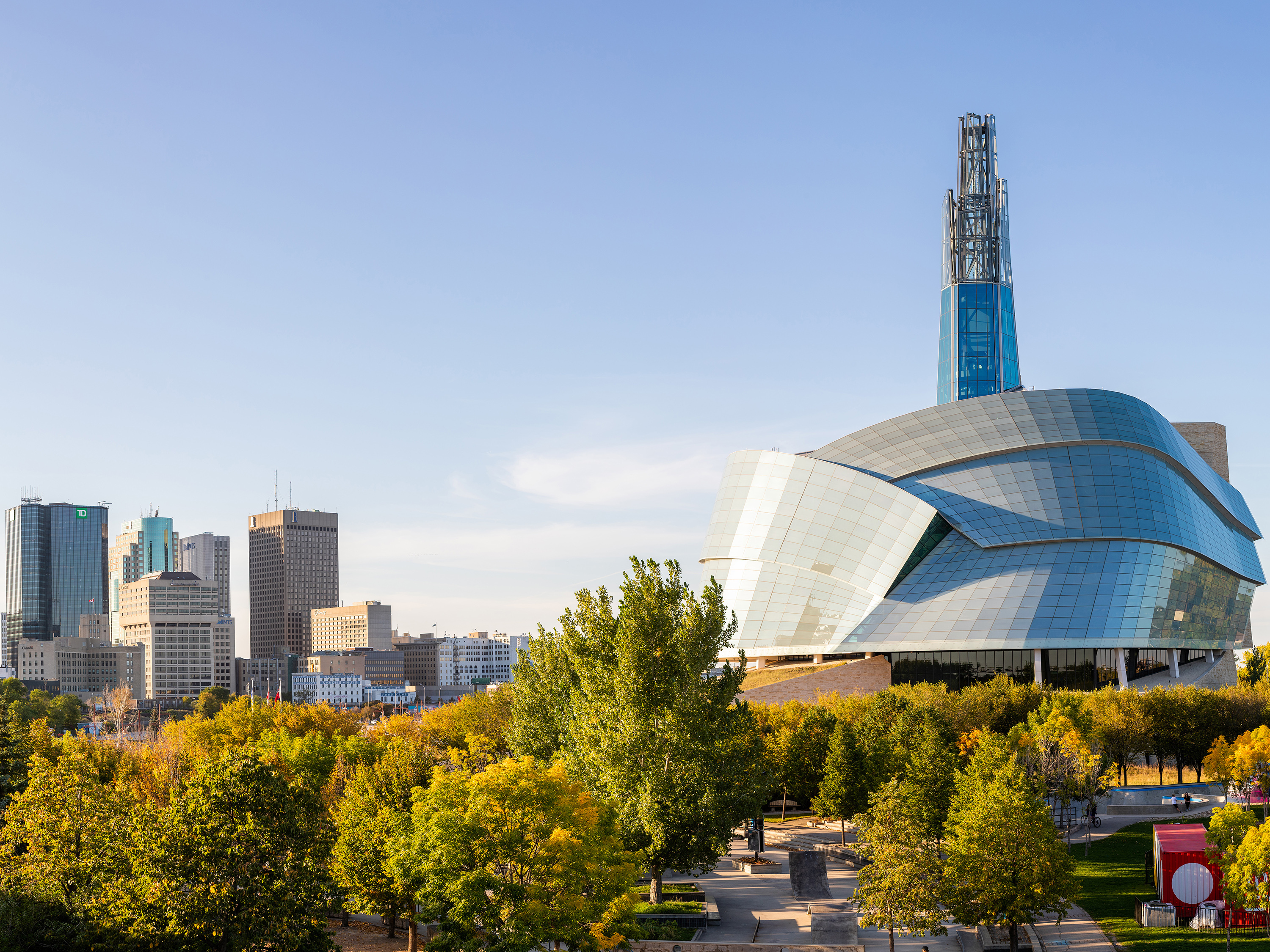
Yet Winnipeg’s story is not only about sector strength. Its cultural institutions give the city a distinct civic identity. The Canadian Museum for Human Rights, one of the city’s most recognisable landmarks, has become a focal point for debates about rights, governance and social progress. The Exchange District, known for its heritage buildings, now houses restaurants, studios, shops and creative businesses. Winnipeg Art Gallery – Qaumajuq is home to the world’s largest public collection of contemporary Inuit art, positioning Winnipeg as a place where culture, history and contemporary debate are visible in the urban fabric.
This matters for a city competing for talent and investment. Economic growth increasingly depends on quality of place: the ability to attract workers, retain graduates, support entrepreneurs and offer a civic environment where ideas can circulate. Winnipeg’s advantage is that it does not need to manufacture a sense of place. Its identity is already layered: Indigenous, multicultural, industrial, artistic and academic.
Building connections
That mix was evident when the International Union of Pure and Applied Chemistry brought the World Polymer Congress to Winnipeg in 2022. The congress drew the global polymer science community to Canada for the first time, delivering 45 technical sessions with speakers from 48 countries. Its gender-balanced plenary programme included global leaders such as Zhenan Bao of Stanford University, Martina Stenzel of the University of New South Wales and Nobel laureate Ben Feringa.
The congress was jointly organised by the University of Manitoba, local scientists and Tourism Winnipeg, with support from the City of Winnipeg. The benefits went beyond visitor numbers. A session on terminology in polymer science helped to align researchers around a shared language, supporting clearer collaboration and faster innovation. The congress also created informal networks across the global research community, while offering mentorship and career development opportunities for emerging scientists.
Events such as the World Polymer Congress reflect a broader pattern: the city uses collaboration to connect local expertise with global networks.
The World Indigenous Business Forum offers another example. Created by the Winnipeg-based Indigenous Leadership Development Institute, the annual forum is an international gathering for Indigenous entrepreneurs, leaders, innovators and allies to share knowledge, build relationships and explore opportunities for economic growth and collaboration.
Having been held on nearly every continent, the forum will come home to Winnipeg for the first time in October 2026, with support from partners including Winnipeg Economic Development & Tourism, the City of Winnipeg, the Government of Canada and Destination Canada’s International Convention Attraction Fund. Some 1,000 delegates from more than 20 countries are expected to attend.
The event adds another dimension to Winnipeg’s role as a place for dialogue and exchange, bringing global conversations on the priorities shaping Indigenous economies back to the city where the forum was born.
The same collaborative spirit can be seen in how Winnipeg hosts visitors. Tourism Winnipeg’s Voluntourism initiative connects conferences with local organisations, while the Flash Your Badge programme encourages attendees to visit museums, attractions, tours and restaurants across the city. At the RBC Convention Centre, pop-up markets bring Winnipeg artisans and food producers into the convention setting, including Indigenous and black-owned businesses. Together, these programmes reflect a city that is practical, community-minded and deeply rooted in local ties.
Winnipeg’s 21st-century story is not a departure from its boomtown past. It is a continuation of it. The city that once grew through trade, transport and geography now grows through research networks, creative industries and sector expertise. For a global economy increasingly shaped by knowledge exchange, resilient supply chains and place-based innovation, Winnipeg offers a model: a mid-sized city with the institutions, industrial base and civic confidence to turn connection into growth.