


Zurich Insurance Group and The Economist joined forces at the World Economic Forum earlier this year to tackle some of the key challenges and opportunities for business and governments during a period of significant transition.
The Economist's Editor-in-Chief, Zanny Minton Beddoes, sat down with Anthropic CEO Dario Amodei to discuss AI governance and more. An expert panel, including Daniel Yergin of S&P Global, Meghan L. O'Sullivan of Harvard's Belfer Center, and Jason Bordoff of Columbia's Centre on Global Energy Policy, weighed in on how AI and shifting geopolitics are impacting energy use and supply. Both sessions addressed the challenge of navigating rapid technological advances, climate concerns, and shifting geopolitical alliances, the dominant theme at this year’s Davos.
The promise and perils of AI were recurring talking points across the Davos event, but many remain convinced AI can still be a powerful force for good. We talked to delegates about why and where AI is a transformative technology and its potential for driving innovation and efficiency. Discussions also covered the need for responsible energy practices as data centers expand, strategies for more effective global cooperation on climate change, and how emerging technologies might help rebuild declining trust in governments and institutions.
These discussions at Davos 2025 highlighted the need for strategic planning and international cooperation to address the challenges of AI, energy demand, and geopolitical shifts.
Find out more from Zurich
Start of carousel.

The Climate Calculation
Business success is increasingly defined by resilience to a changing world

Power shifts: what next for energy and geopolitics?
Zanny Minton Beddoes, editor-in-chief of The Economist, moderated a panel on energy security at Davos 2025 with Jason Bordoff, Meghan O’Sullivan and Daniel Yergin on the sidelines of the World Economic Forum Annual Meeting.

Madrid’s battle against extreme heat: How Zurich has been helping enhance the city’s climate resilience
Global warming and urban sprawl mean more cities are contending with extreme temperatures. With heat waves expected to increase in frequency, intensity and duration, Madrid City Council turned to Zurich to help the Spanish capital adapt.
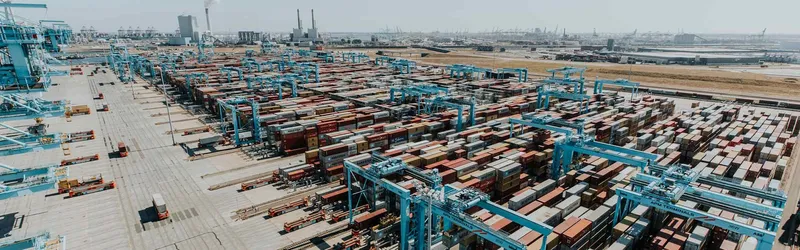
Navigating climate risks: Maersk turns to Zurich to bolster port resilience
Ports are vulnerable to windstorms, flooding and storm surges. They are on the front line of future climate change too. Shipping and logistics giant Maersk wants to future-proof its ports and has turned to Zurich Resilience Solutions for support.

Why climate change is hitting the poorest hardest
Rising temperatures are deepening social inequalities globally and within regions and cities. Resilience strategies should offer protection and increase opportunity for the most vulnerable.

A warming planet is fracturing, but trust and collaboration are now essential
Combating climate change requires co-operation and cooler heads, not conflict.
End of carousel.