

Climate change is no longer a distant threat. It directly affects how we live and work. Cities, as hubs of people, infrastructure, economic activity and culture, are at the heart of the climate crisis. Engaging communities in climate planning can help cities shift from reactive responses to proactive resilience. Yet, residents’ perspectives on climate risks and solutions are seldom explored.
Where are climate risks most pressing? How prepared are our cities for what lies ahead? What more can governments and businesses do to strengthen city-level resilience?
To find out, Economist Enterprise, supported by Zurich Insurance Group, surveyed 5,000 individuals across ten global cities—Amsterdam, Cairo, Cape Town, Dubai, Jakarta, Madrid, Mumbai, New York City, São Paulo and Tokyo—and interviewed 15 experts.
Key findings:
Cities are not ready to handle the impacts of climate change. Four in five people believe their city is underprepared, particularly as regards heatwaves, air pollution, water shortages and flooding.
Public infrastructure is already struggling to cope with climate impacts. Water management infrastructure is considered the most vulnerable to climate-related risks, with more than two in five people considering their city’s water management infrastructure at risk.
Climate change worsens existing inequalities. Its impacts fall most heavily on vulnerable groups such as women, children, the elderly and those with health conditions.
The public expects all levels of government to work together to build resilience. Half of respondents believe that national governments should be the stakeholders primarily responsible for improving adaptation in their cities, while nearly as many (46%) point to local governments in this regard.
Businesses are critical but underutilised players in efforts to build urban resilience. The public believes that the private sector is not doing enough to support climate adaptation in cities: nearly six in ten survey respondents (58%) feel that companies are taking only moderate, limited or no action to mitigate climate impacts and facilitate adaptation.
People are making changes to become more resilient to climate change: nearly all (95%) respondents are either taking steps to increase their resilience or plan to do so within the next year, from conserving water to modifying their diet to improving their energy efficiency. Many want to do more, yet nearly nine in ten respondents face significant barriers that prevent them from taking action, including high costs, insufficient knowledge and lack of trust in government policies.
Building urban resilience is no longer optional. Download our infographic to explore the way forward for governments, businesses and local communities.

Related content

Madrid’s battle against extreme heat: How Zurich has been helping enhance the city’s climate resilience
Global warming and urban sprawl mean more cities are contending with extreme temperatures. With heat waves expected to increase in frequency, intensity and duration, Madrid City Council turned to Zurich to help the Spanish capital adapt.
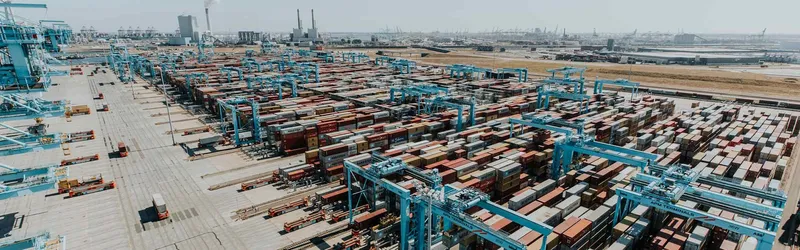
Navigating climate risks: Maersk turns to Zurich to bolster port resilience
Ports are vulnerable to windstorms, flooding and storm surges. They are on the front line of future climate change too. Shipping and logistics giant Maersk wants to future-proof its ports and has turned to Zurich Resilience Solutions for support.

Why climate change is hitting the poorest hardest
Rising temperatures are deepening social inequalities globally and within regions and cities. Resilience strategies should offer protection and increase opportunity for the most vulnerable.

A warming planet is fracturing, but trust and collaboration are now essential
Combating climate change requires co-operation and cooler heads, not conflict.