

Making earlier dementia diagnosis count
Science is improving the early detection of different types of dementia, including Alzheimer’s disease. However, health systems remain built around late diagnosis and reliance on specialist care. Moving the diagnostic process into primary care could transform lives—but only if treatment and support keep pace.
The world is getting older, and dementia is becoming one of its defining health challenges. Yet most health systems still respond to the disease only after memory has deteriorated and families are struggling.
More than 57m people globally are living with dementia,1
a figure expected to reach 139m2 by 2050. Many are diagnosed only after symptoms have progressed.
Because many people end up diagnosed in the mid-to-late stages, the support, the treatment and interventions we can offer are far more limited”
Chris Lynch of Alzheimer’s Disease International
When detection outpaces care
Dementia is already the seventh leading cause of death globally and is projected to become the third by 2040.3 However, scientists are getting better at detecting Alzheimer’s disease earlier. Blood-based biomarker tests, which can aid the diagnosis of symptomatic patients, are being evaluated for their potential to support assessment of Alzheimer’s pathology earlier in the disease. This could make testing simpler and more scalable.
This aspect is becoming increasingly relevant as clinical trials continue for treatments in earlier stages of the disease.
What's fundamentally changed is that we now have disease-modifying therapies that can actually slow cognitive decline—but only if you catch the disease in the early symptomatic stages...That creates a completely different window of opportunity than we've ever had before.”
John Bickel SVP, Neuroscience Product Strategy and Customer Experience, at Eli Lilly
Earlier diagnosis can give people with Alzheimer’s disease and their families more time to understand the condition and to consider their next steps. But without effective treatment, counselling and sustained support, it may also bring uncertainty and worry.
Where the pathway breaks down
Roughly three-quarters of people with dementia globally are not diagnosed.4 Three obstacles stand in the way: people may be reluctant to come forward; many health systems lack pathways; and specialist workforces are overwhelmed.
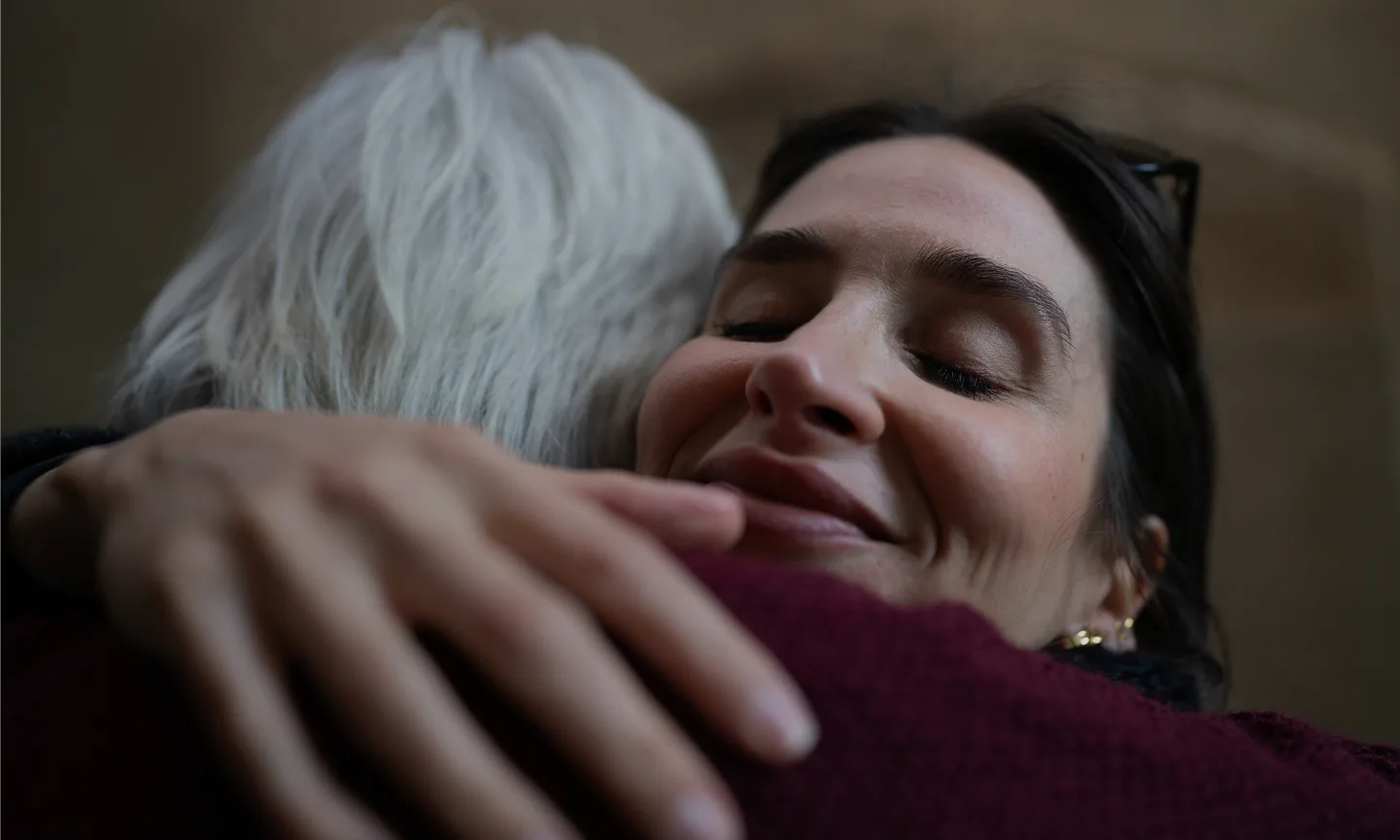
Fear and denial delay help-seeking, encouraging patients and their families to explain away—or conceal—early signs.
At the individual level, stigma is still pervasive—many people view early diagnosis as a source of fear or uncertainty. We need to reframe diagnosis as a moment when people can access information, support and care”
John Bickel Senior vice president, Neuroscience Product Strategy and Customer Experience, at Eli Lilly.
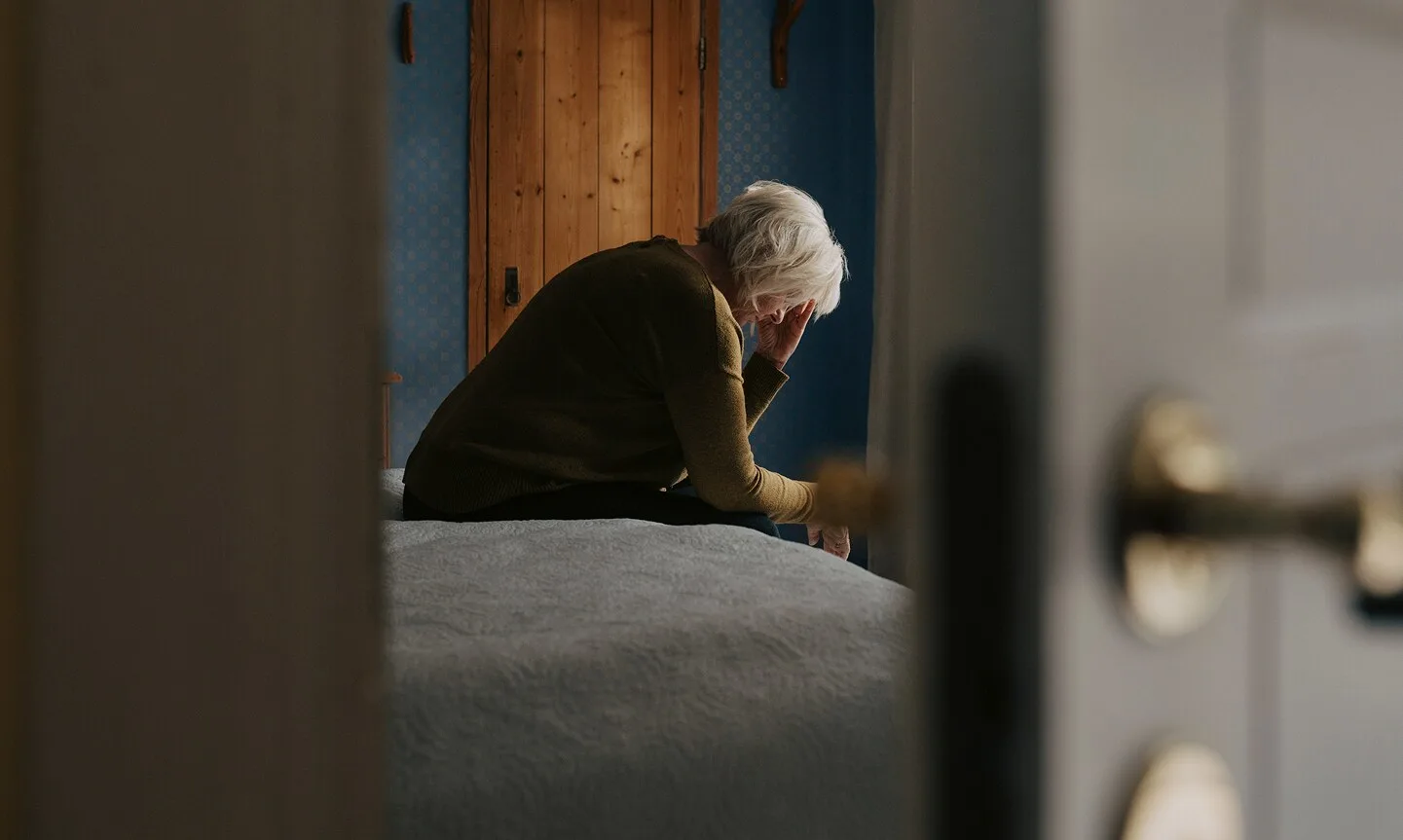
Fragmented pathways can create confusion.
In many countries, no reliable route connects initial concern with testing, diagnosis, treatment and continuing care. For Alzheimer’s disease, the emergence of blood-based biomarkers makes it increasingly urgent to address that gap. Mr Bickel points to uneven insurance coverage, limited primary-care training and a lack of clear diagnostic protocols as barriers to turning new diagnostic tools into routine care.
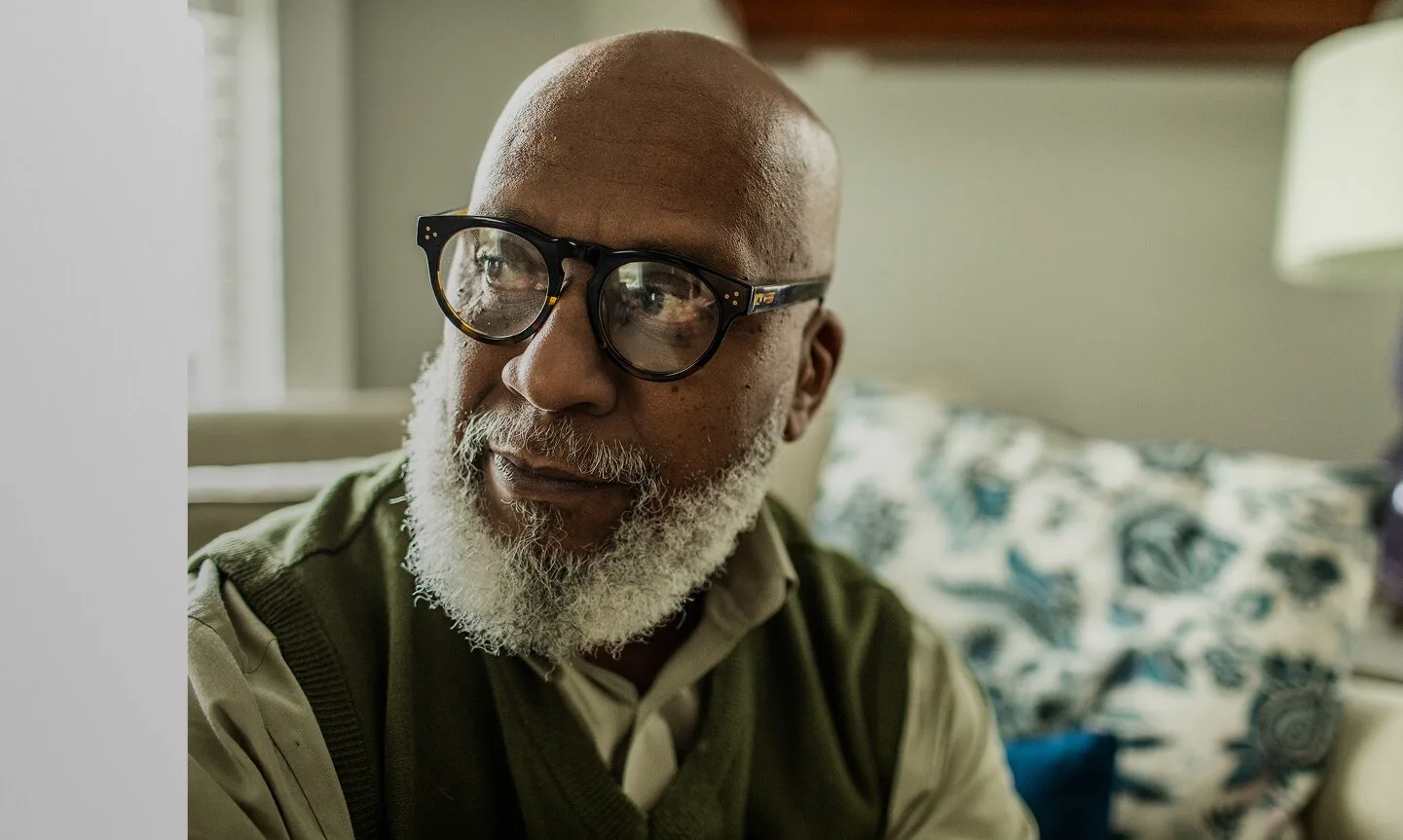
Specialist bottlenecks create delay.
“Neurology deserts” leave millions far from expert assessment. In The Gambia, for example, there is just one neurologist for almost 3m people, according to health minister Ahmadou Lamin Samateh.
Policy commitments have not consistently translated into practice. The WHO Global Action Plan on Dementia sets out priorities for diagnosis, treatment and continuing care, but only around 25% of countries that adopted the action plan have fully funded these plans.5

Rebuilding care around primary care
Earlier detection cannot simply be bolted onto a system designed for late-stage disease. It requires a different model of dementia care—one in which primary care becomes the front door and co-ordinator of continuing care.
Properly trained doctors and nurses should be able to recognise potential symptoms, conduct initial assessments, use appropriate diagnostic tools and coordinate continuing care. For Alzheimer’s disease, that could increasingly include identifying the patients who need biomarker testing and referring them for specialist confirmation or treatment evaluation.
Sharing care across the system
Primary care
- Recognise symptoms
- Conduct initial assessment
- Coordinate care

Specialists
- Resolve uncertain diagnoses
- Manage complex cases
- Guide specialist treatment
Community workers
- Raise awareness
- Identify people needing help
- Support patients and carers
Specialists remain important for uncertain or complex cases, but neurologists and memory clinics should not serve as the sole gateway to diagnosis and continuing support.
Care can also extend beyond clinics. Community health workers can identify risks, address fears and support families, particularly where specialists are scarce. Mexico’s approach shows how detection can move closer to where people live.
“We have a strategy in Mexico called Casa por Casa (House to House), where health professionals, basically nurses, go directly to patients’ homes instead of waiting for them to visit a clinic,” says Patricia Clark, secretary of Mexico’s General Health Council at a side event at WHA.

What earlier diagnosis can change
Memory loss and other dementia symptoms are sometimes dismissed as a normal part of ageing. But they should not be ignored—an evaluation can help to identify the cause.
Earlier diagnosis cannot cure dementia arising from Alzheimer’s disease. But timing can affect the treatment and support available, and give families more time to consider their next steps. That opportunity can only benefit patients, however, if health systems can respond to their needs.
The burden extends far beyond the patient. UK research found that around 16% of dementia carers had given up work, while nearly two-thirds reported having a health condition of their own.6 Dementia is projected to cost the global economy an estimated US$14.5trn between 2020 and 2050.
Turning earlier detection into better outcomes will require co-ordinated care spanning diagnosis, treatment and continuing support, with policymakers, healthcare leaders and industry working to expand access and strengthen the pathways around patients.
We have the science. What we're missing is the large-scale co-ordination and will to deploy it systematically. It requires breaking down silos that have existed for decades. Payers need to align with policymakers on coverage decisions. Primary-care providers need to be trained and supported with clear protocols. Specialists need capacity built around them. And patients need to be equal partners at the table, not afterthoughts.”
References
- 1.World Health Organization, “Dementia”, July 2026.
- 2.World Health Organization, “Global status report on the public health response to dementia,” 1 September, 2021.
- 3.Alzheimer’s Disease International, “ADI leads new research forecasting dementia to become the 3rd leading cause of death by 2040”, 7 January, 2025.
- 4.Alzheimer’s Disease International, “World Alzheimer Report 2021: Journey through the diagnosis of dementia”, 2021.
- 5.Alzheimer’s Society, “The annual costs of dementia”, 2024.
- 6.The Lancet Neurology, “Global, regional, and national burden of Alzheimer’s disease and other dementias, 1990–2021, and forecasts to 2050”, 2024.