
The 2025 World Ocean Summit in Tokyo, hosted by Economist Enterprise, brought together some of the most influential policymakers, industry leaders, scientists, investors and NGOs from the ocean community to discuss the urgent challenges facing the world’s ocean and to identify solutions that can drive meaningful change. This global gathering underscored the ocean’s central role in sustaining economies, biodiversity, and climate stability, making ocean conservation not just an environmental priority but an economic and geopolitical necessity.
The nations on the front lines of climate change are acutely aware of the immediate and long-term threats posed by rising sea levels, ocean acidification, and the degradation of marine ecosystems. President Surangel Whipps Jr. of Palau and president Hilda C. Heine of Marshall Islands were among the leaders who highlighted the dangers facing island nations and how they are working to demonstrate the economic and ecological benefits of protecting marine environments. However, securing long-term funding remains a significant hurdle for organisations across the ocean community, particularly in light of recent international aid cuts that have stalled critical marine conservation initiatives. This current context underscores the need for sustained financial commitments and innovative financing mechanisms to support the blue economy.
Deep Dive: Insights from the 2025 World Ocean Summit
From urgency to action—see how global leaders are steering ocean solutions.

Leadership in Dialogue: How-to Perspectives from Global Leaders
Highlights from "how to" dialogues where policymakers, scientists, and investors shaped actionable strategies for a thriving, resilient ocean future.

How to realise the opportunities for small island developing states under the BBNJ Agreement
This “How to” session strategised how to help SIDS maximise the potential of the BBNJ agreement, with a particular focus on the ratification process.

How to invest in the blue economy to achieve ocean health and shared prosperity
This "How to" session explored ways to implement practical steps to translate blue economy principles into action.

How to foster transparent and accountable ocean practices through ocean literacy
This “How to” session explored ways to identify bluewashing and its consequences for ocean sustainability.
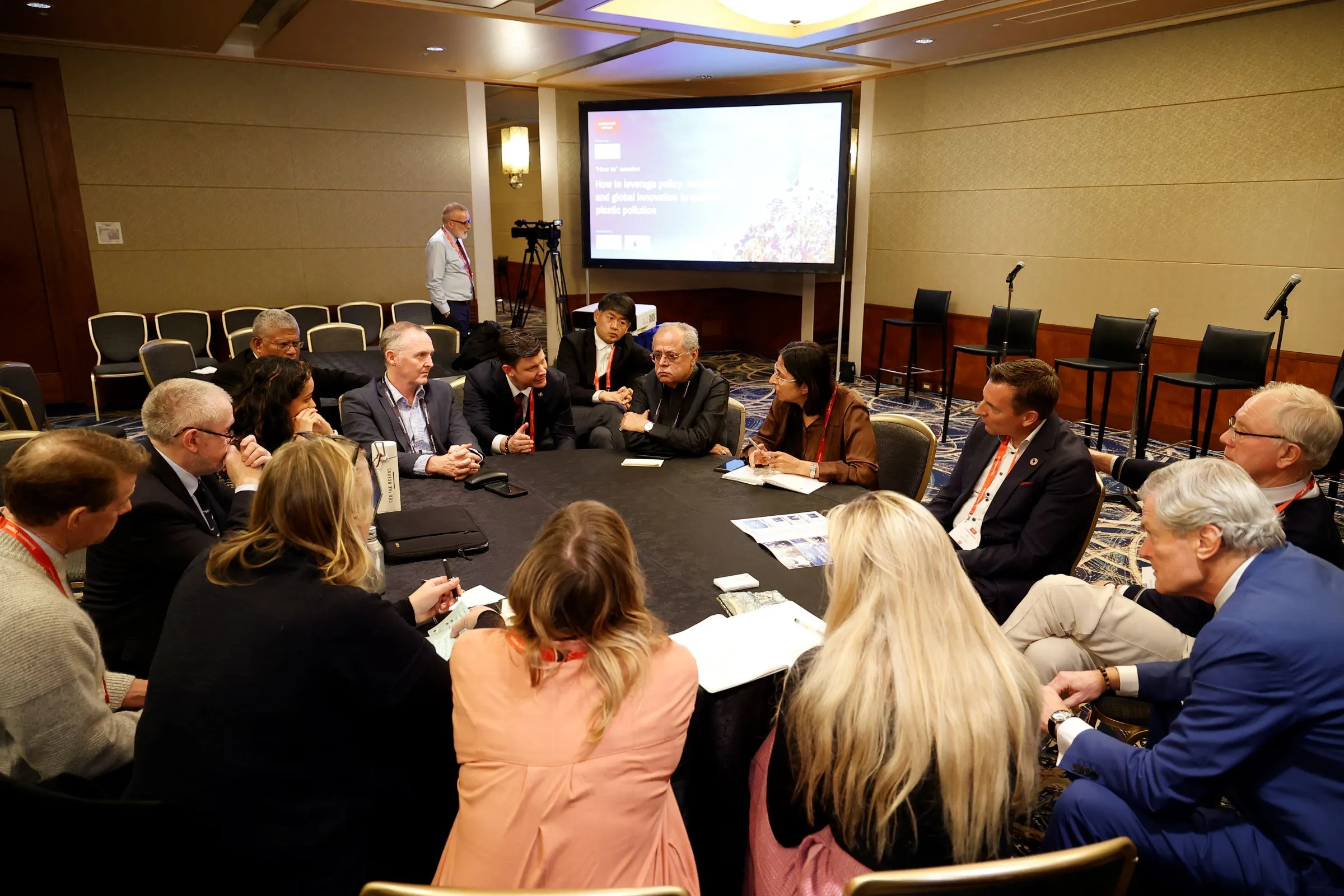
How to drive solutions for the success of the Global Plastics Treaty
Participants in this "How to" workshop explored ways to design policy frameworks that incentivise waste reduction, support circular economy models and strengthen global supply chains.

How to shape global standards for blue data, technology and capacity building
Participants in this “How to” workshop explored ways to develop policies and regulations for data collection and sharing as well as for related tools such as seabed mapping, surveillance and monitoring.
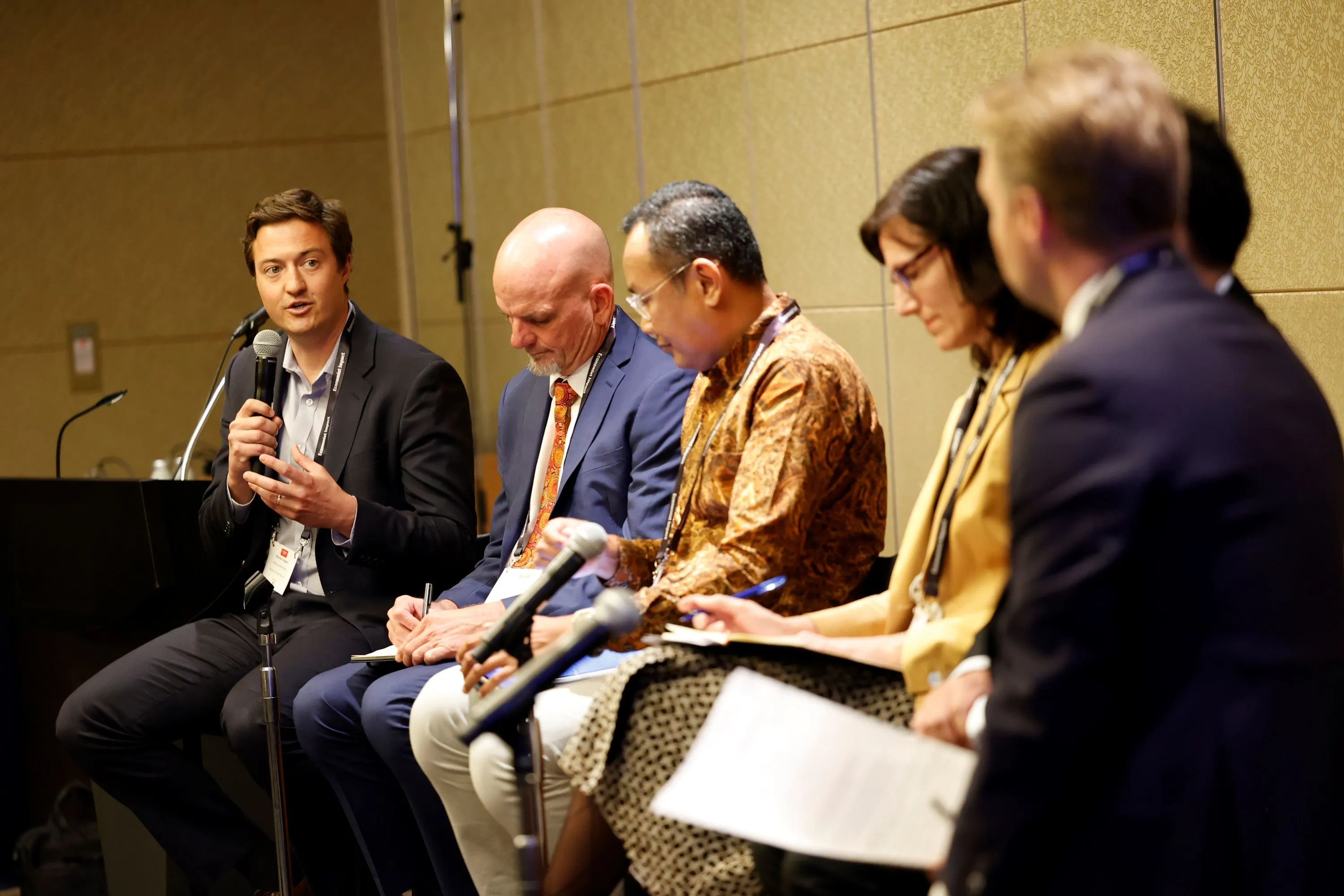
How to measure effectiveness in marine protected areas
The effective management of marine protected areas (MPAs) requires deft strategy and vigilant practice to conserve marine ecosystems and biodiversity within designated zones.