

Energy & Environment
Ocean and blue economy
Climate change, biodiversity loss, pollution and the push to cut emissions from shipping and coastal industry are reshaping the ocean economy. These forces demand clear, hard analysis. Economist Enterprise examines what they mean for governments, businesses and communities—and what it will take to build a healthier, more resilient ocean.
Start of tap story.

Beyond the Surface
MPAs prioritise conservation and limit harmful activities so that ecosystems can recover and flourish. However, only a fraction of the ocean is currently protected, and many existing MPAs do not provide enough protection.

End of tap story.
Latest

The world's coral reefs are running out of time 2

How to build a collaborative ocean data ecosystem
How to build a collaborative ocean data ecosystem

How to accelerate MPA implementation: from global commitments to on-the-water delivery
The speakers discussed how to accelerate MPA implementation: from global commitments to on-the-water delivery

Overcoming the barriers to scale: from promise to deployment

How to make ocean value count: practical tools for integrating marine natural capital into policy and investment
The speakers discussed how to make ocean value count: practical tools for integrating marine natural capital into policy and investment

How can fisheries and tourism build more resilient coastal economies?
The speakers discussed how companies must start looking at their value chains and identify those with a sustainable business model and strong growth potential.
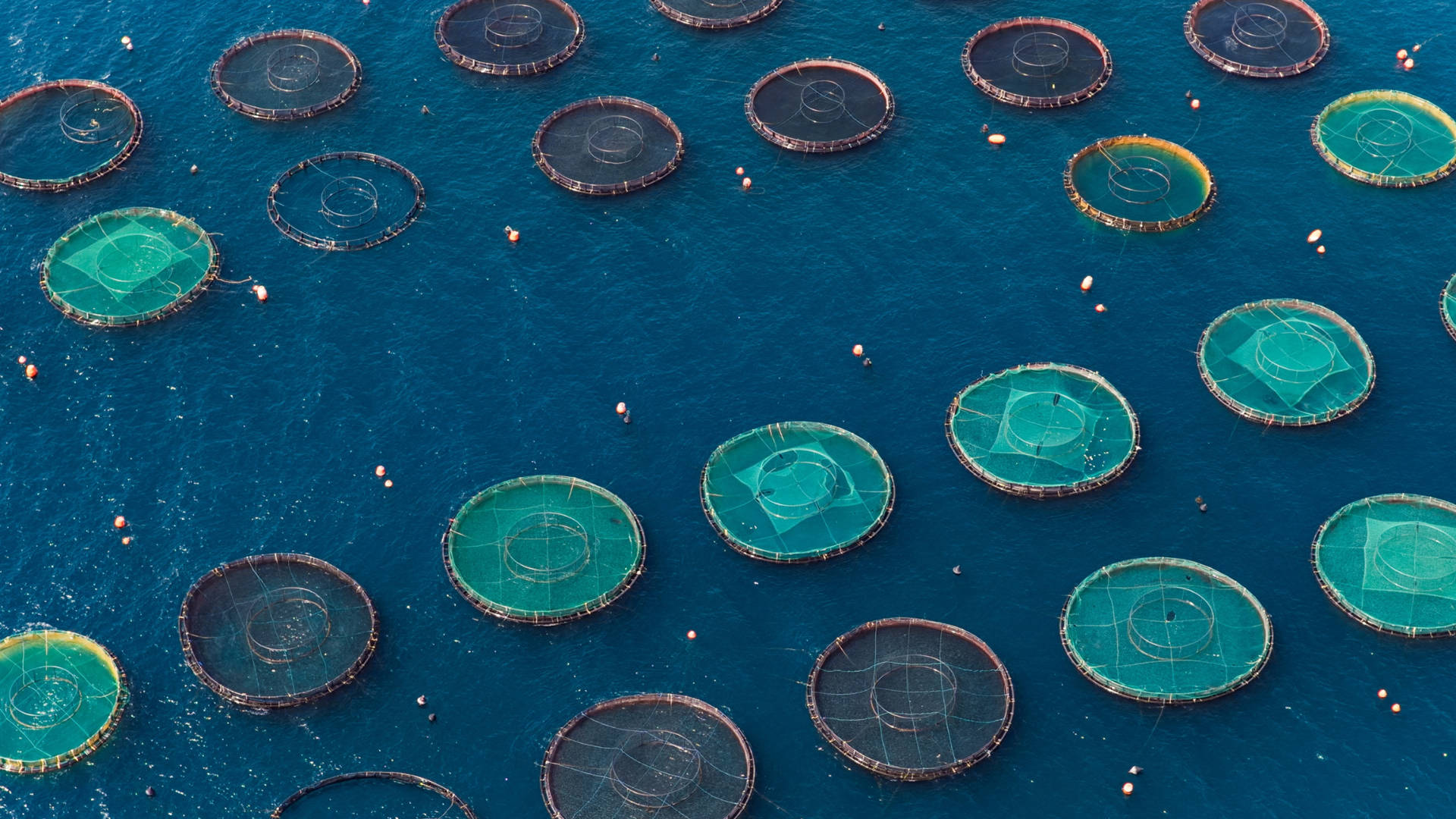
Ocean innovation: the engine shaping the next phase of the ocean economy
Coral reefs, mangroves, fisheries, and coastal ecosystems when weaken, the economic consequences follow quickly: lost yields, declining tourism, damaged ports, rising insurance costs and shrinking local employment.

From sustainability to security: the Iran war marks a hard shift in transition drivers
The closure of the Strait of Hormuz is an opportunity to accelerate investment in energy diversification, say experts, as they spotlight the cost to seafarers


Economist Enterprise Perspectives
Sign up for Economist Enterprise's weekly newsletter
Subscribe and read our latest research and analysis covering a broad range of topics and global markets at Economist Enterprise Perspectives.