

Four-fifths of the world’s wastewater is released into the environment without treatment, harming people andaquatic habitats. Meanwhile, over 40% of the global population lacks access to safely managed sanitation services. On top of being a serious public-health issue, pollution from sewage and wastewater affects many industries that rely on the ocean, including tourism, fishing and offshore aquaculture, and contributes to coral damage and biodiversity loss. This session analysed sewage and wastewater treatment and discussed how to move from traditional solutions to intersection and circularity. It also explored how to raise awareness of the many harms that sewage and wastewater causes to the ocean and to public health. Participants discovered new ways to take action against ocean pollution from sewage and wastewater.
Take action against ocean pollution from wastewater and sewage
The focus should be on the source of the sanitation crisis such as human, animal,pharmaceutical, chemicals, urban, and land.

A global ocean free from the harmful impacts of pollution: Roadmap for action
A framework designed to reshape our understanding of the impact of pollution on the ocean and radically reform our approach to preventing and addressing it.

Changing our plastic habits
The circular economy agenda has the potential to address plastic-waste pollution, but investment in solutions is sorely needed, writes Ambroise Fayolle, vice-president of the European Investment Bank
11th annual World Ocean Summit - “How to” sessions summary reports
March 11th-13th | Lisbon, Portugal
The purpose of the "How to" sessions was to create a set of action points and practical takeaways for individuals and organisations committed to restoring ocean health. These sessions, for small, focused groups of subject-matter experts and a carefully picked audience were interactive, engaging and solution oriented. This report shares the key takeaways from the speakers and audience from each discussion.

How to close the gender gap in the blue economy
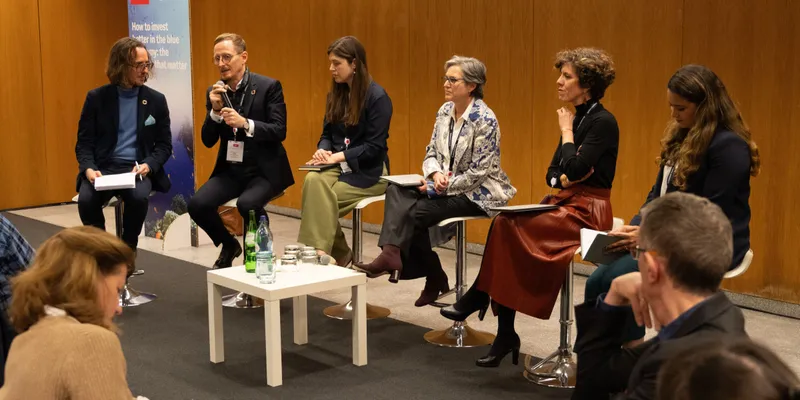
How to invest better in the blue economy: the metrics that matter
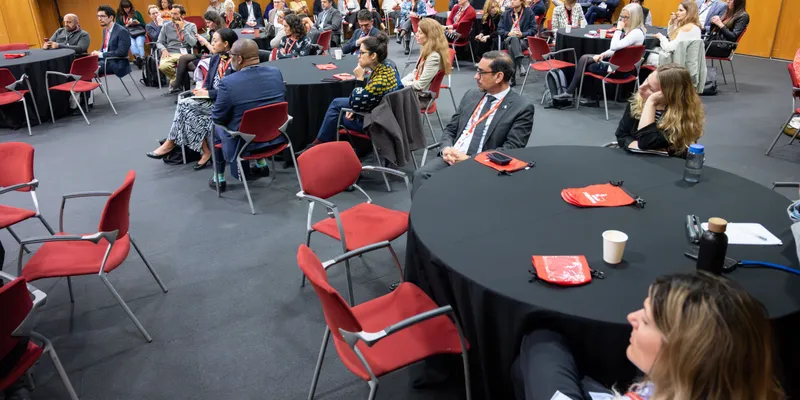
How to develop an enabling environment to finance sustainable economic activity in conjunction with ocean conservation

How to take action against ocean pollution from wastewater and sewage

How to drive investments to help scale blue projects

How to increase the impact of marine protected areas (MPAs)

How to scale marine- ecosystem restoration
