

Seaweed remains a great untapped resource. From providing nutritious food for humans and animals to acting as a substitute for hydrocarbon-based plastics, to sequestering carbon and restoring oceanic biodiversity, seaweed has myriad uses as well as the potential to address many of the UN’s sustainable development goals.
This session explored how to create a sustainable pathway for scaling the seaweed industry to realise these diverse benefits. Speakers and participants addressed how to approach the complex challenges and ethical considerations inherent in cultivating and engineering our ocean on a global scale. They considered how to overcome cultivation complications exacerbated by climate change, and how to operate without policies to empower and extend access to seaweed farmers. The session focused on how to foster collaboration within the broader value chain including farmers, indigenous communities, scientists, entrepreneurs, investors and policymakers, to overcome these complex issues. Attendees left with a deep understanding of seaweed’s potential, insights into its multifaceted capabilities, and how to play a part in the industry’s success.
Scaling the seaweed industry sustainably
How to reform policies? improving efficiency and governmental co-ordination in the permitting process; facilitating access to insurance, grants, loans and other resources terrestrial farmers traditionally have; and engagement with policymakers to increase knowledge of the benefits of seaweed.

Women in the blue economy: 40% of seaweed startups are female-led
Few ocean-economy sectors are growing as fast and with such a low ecological footprint as seaweed, says expert

Why we should embrace the seaweed revolution
A blog by Vincent Doumeizel, senior adviser for ocean at the UN Global Compact and director of the food programme at Lloyd’s Register Foundation
11th annual World Ocean Summit - “How to” sessions summary reports
March 11th-13th | Lisbon, Portugal
The purpose of the "How to" sessions was to create a set of action points and practical takeaways for individuals and organisations committed to restoring ocean health. These sessions, for small, focused groups of subject-matter experts and a carefully picked audience were interactive, engaging and solution oriented. This report shares the key takeaways from the speakers and audience from each discussion.

How to close the gender gap in the blue economy
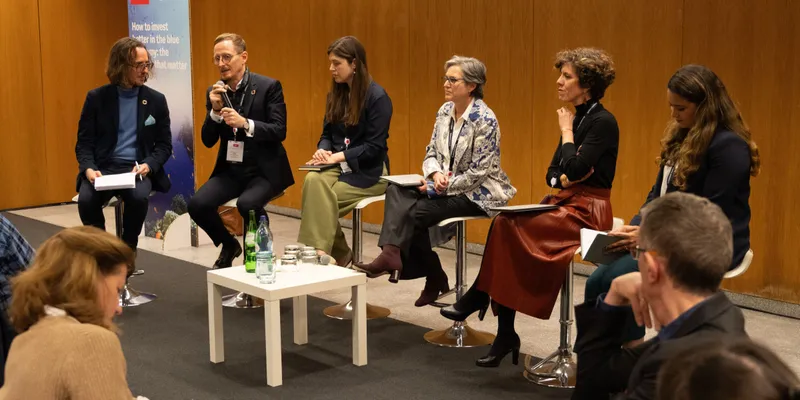
How to invest better in the blue economy: the metrics that matter
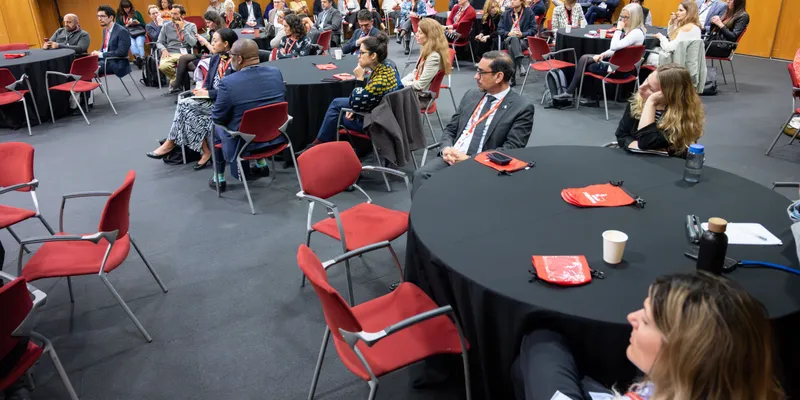
How to develop an enabling environment to finance sustainable economic activity in conjunction with ocean conservation

How to take action against ocean pollution from wastewater and sewage

How to drive investments to help scale blue projects

How to increase the impact of marine protected areas (MPAs)

How to scale marine- ecosystem restoration
