

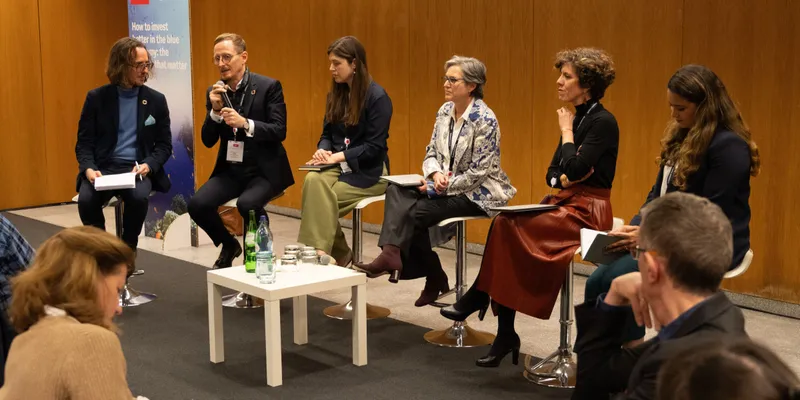
The Kunming-Montreal Global Biodiversity Framework set out a series of targets to be achieved by 2030 and beyond to reverse nature loss and safeguard biodiversity. The 30x30 target calls for 30% of terrestrial, inland water, and coastal and marine areas to be protected through effective measures by 2030. In this session speakers and participants discussed how to assess and improve the effectiveness of MPAs, to ensure they achieve their potential impact. They considered how MPA managers and scientists can use data to guide regulatory management to reduce the impact of human activity on ocean health. There was a focus on how to use real-time and historical information to support monitoring, analysis and decision-making in small and large MPAs around the world. The working group identified how to increase transparency in MPA management, and assess the economic and environmental impact of MPAs in the context of an effective 30x30.
How to increase the impact of marine protected areas (MPAs)
In MPAs it is important to establish a baseline around biodiversity or other objectives, so that the effectiveness of the MPA can be measured accurately.

Beyond the surface: dive into the world of marine protection
Explore the world of marine protection

30x30 is a conservation game-changer; allowing bottom trawling undermines its promise
By Jacqueline Savitz, chief policy officer, Oceana
11th annual World Ocean Summit - “How to” sessions summary reports
March 11th-13th | Lisbon, Portugal
The purpose of the "How to" sessions was to create a set of action points and practical takeaways for individuals and organisations committed to restoring ocean health. These sessions, for small, focused groups of subject-matter experts and a carefully picked audience were interactive, engaging and solution oriented. This report shares the key takeaways from the speakers and audience from each discussion.

How to close the gender gap in the blue economy
How to invest better in the blue economy: the metrics that matter

How to develop an enabling environment to finance sustainable economic activity in conjunction with ocean conservation

How to take action against ocean pollution from wastewater and sewage

How to drive investments to help scale blue projects

How to increase the impact of marine protected areas (MPAs)

How to scale marine- ecosystem restoration
