
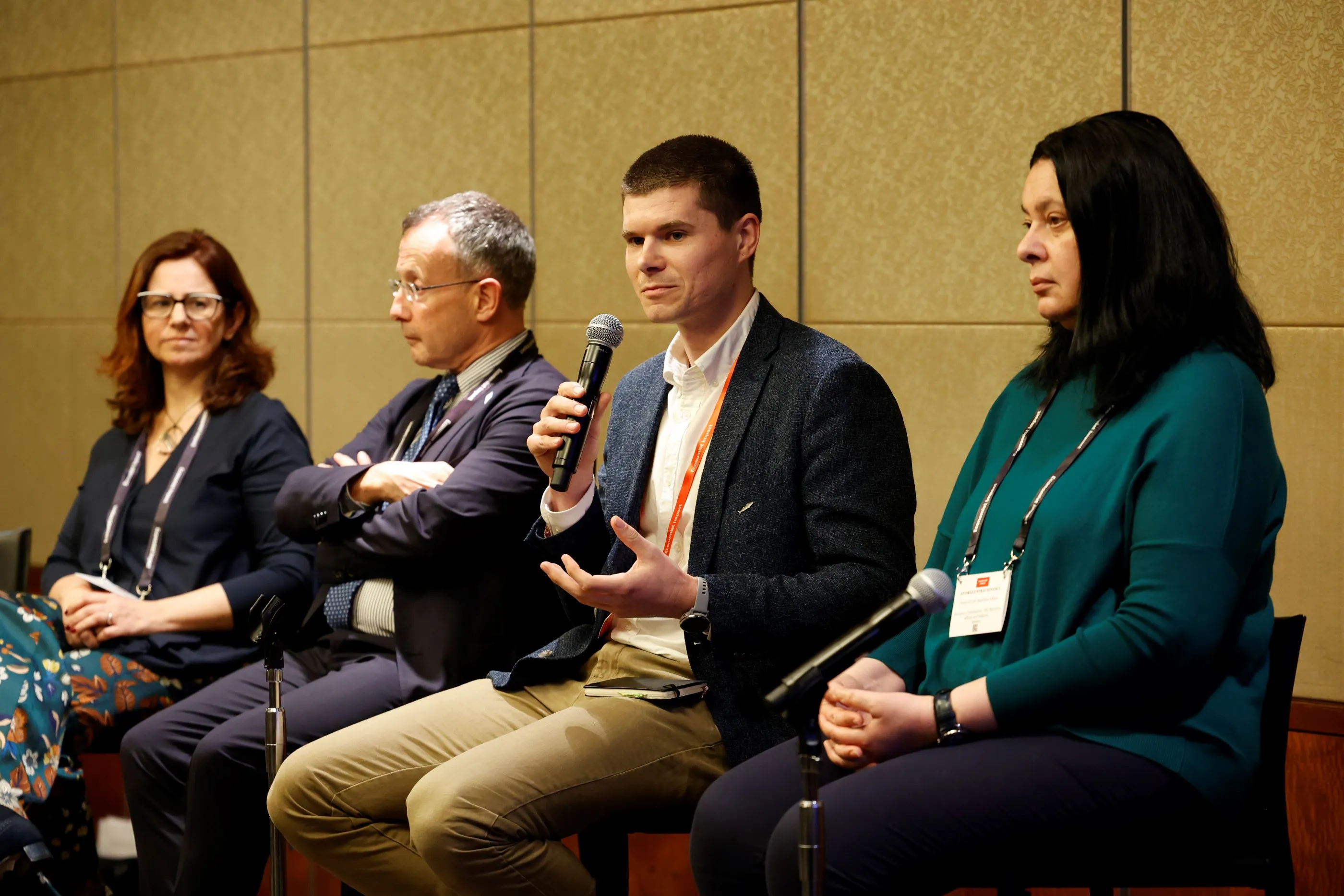
One definition of “bluewashing” is when industries and governments misleadingly portray their activities, particularly regarding marine ecosystems, as environmentally friendly without meaningful action to support such claims. This practice not only distorts public perception but also undermines genuine sustainability efforts, misleading investors, consumers and policymakers. Enhancing ocean literacy—understanding the impacts that the ocean has on the planet and that humans have on the ocean—is essential to identifying and combating bluewashing by allowing people to better distinguish authentic sustainable practices from dubious ones, ensuring investments and initiatives yield real ecological and social benefits.
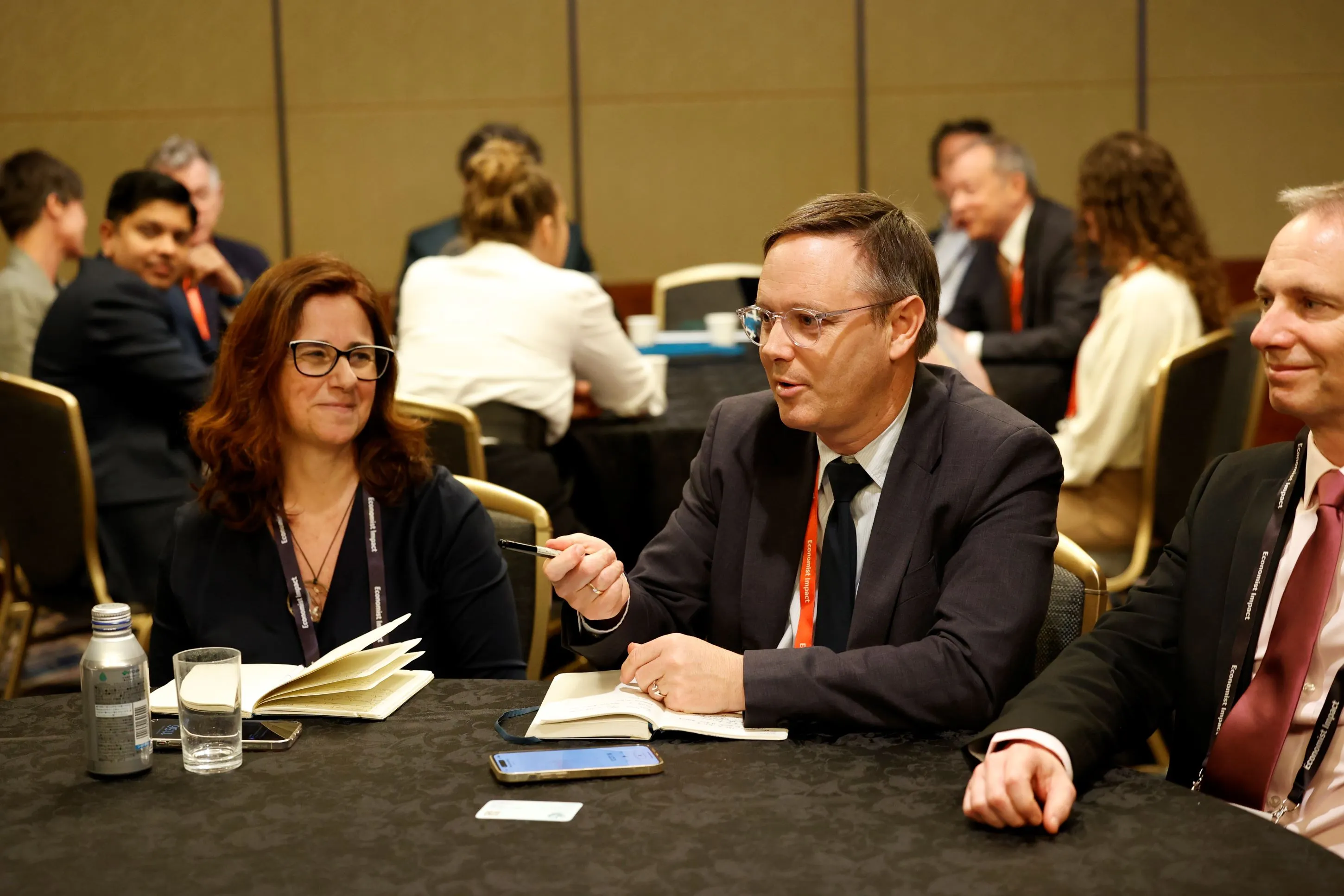
Participants in this “How to” session explored ways to identify bluewashing and its consequences for ocean sustainability. Discussions focused on how to recognise spurious claims, how to use ocean literacy to drive transparency and how to support businesses in adopting genuinely sustainable practices. The session examined real-world examples of bluewashing in marine industries and how to use strategies to expose and address these practices. Attendees left with customised action plans to integrate transparent, sustainable practices into their own operations. They learnt about collaborative strategies for engaging with policymakers, businesses and communities to drive long-term change.
Moderator: Naka Kondo, Japan lead, Impact Initiatives, Economist Enterprise
Speakers:
Francesca Santoro, senior programme officer, ocean literacy, Regional Bureau for Science and Culture, Europe, UNESCO-IOC
Andreea Strachinescu, head of unit, Marine Knowledge and Investment, Directorate-General for Maritime Affairs and Fisheries, European Commission
Torsten Thiele, founder, Global Ocean Trust
Oliver Tanqueray, head of ocean, CDP Global
Session report: How to foster transparent and accountable ocean practices through ocean literacy
Discover how this “How to” session explored ways to identify bluewashing and its consequences for ocean sustainability.
ANCHORED IN ACTION

Insights, initiatives, and innovation for ocean futures at the World Ocean Summit 2025
Key takeaways from a pivotal event for ocean action—how communities and countries are reshaping the blue economy

The great disconnect: Young people and ocean literacy
Although young people express concern about the ocean, a lack of access and awareness creates a gap between their passion and actions. From the influence of social media to systemic barriers, discover what is driving the current state of ocean literacy among young people—and find out their perspectives on how ocean health can be improved.

Belonging as a tool to address ocean health
In conversation with Francesca Clapcich, the professional sailor using her platform to champion environmental stewardship and inclusivity