

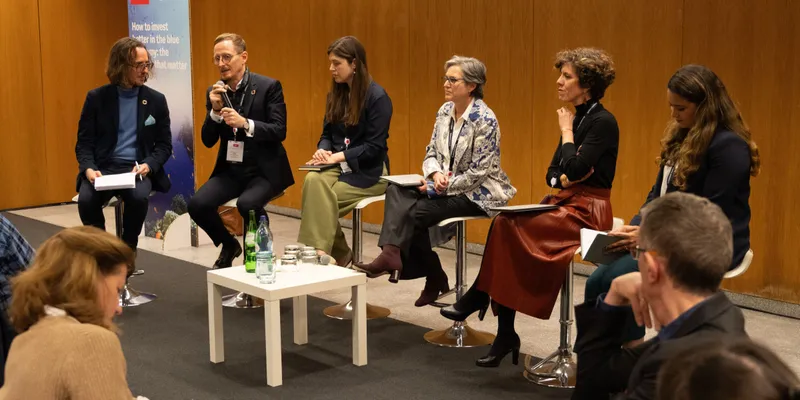
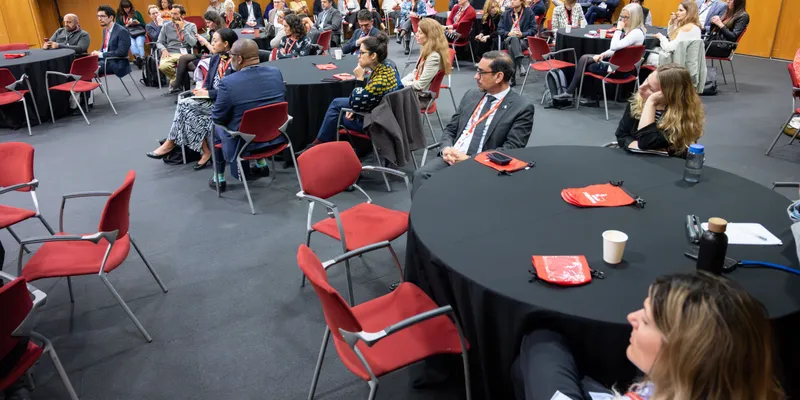
There remains a stark gap between men and women’s participation in the blue economy. This is both in terms of numbers and the type of work. Working towards an inclusive and diverse workforce in the blue economy will create more equity, enhance efficiencies and contribute to large-scale impacts. Building ocean-literacy programmes, holistic and inclusive policies at a national and international level and skills development will increase involvement from women and local communities in fostering a healthy ocean. This session addressed how to close the gender gap and assessed the various ways of doing this, including education, community projects, raising awareness of the employment opportunities in the blue economy, policy and funding. Speakers and participants focused on how to involve stakeholders from policy, education, the private sector and NGOs to achieve inclusion in the blue workforce.
How to close the gender gap in the blue economy
All country delegations should have at least 34% proportion of women represented, as this means that gender can be considered in policy-making decisions

Restoring gender balance in the water
More women in key roles can help both ocean governance and marine ecosystems flourish

Valuing women in the blue economy for International Women's Day
Gender equity in ocean-related matters is severely lacking. Learn more about the intersection of women, ocean health and the blue economy.
11th annual World Ocean Summit - “How to” sessions summary reports
March 11th-13th | Lisbon, Portugal
The purpose of the "How to" sessions was to create a set of action points and practical takeaways for individuals and organisations committed to restoring ocean health. These sessions, for small, focused groups of subject-matter experts and a carefully picked audience were interactive, engaging and solution oriented. This report shares the key takeaways from the speakers and audience from each discussion.

How to close the gender gap in the blue economy
How to invest better in the blue economy: the metrics that matter
How to develop an enabling environment to finance sustainable economic activity in conjunction with ocean conservation

How to take action against ocean pollution from wastewater and sewage

How to drive investments to help scale blue projects

How to increase the impact of marine protected areas (MPAs)

How to scale marine- ecosystem restoration
