
Search Economist Enterprise
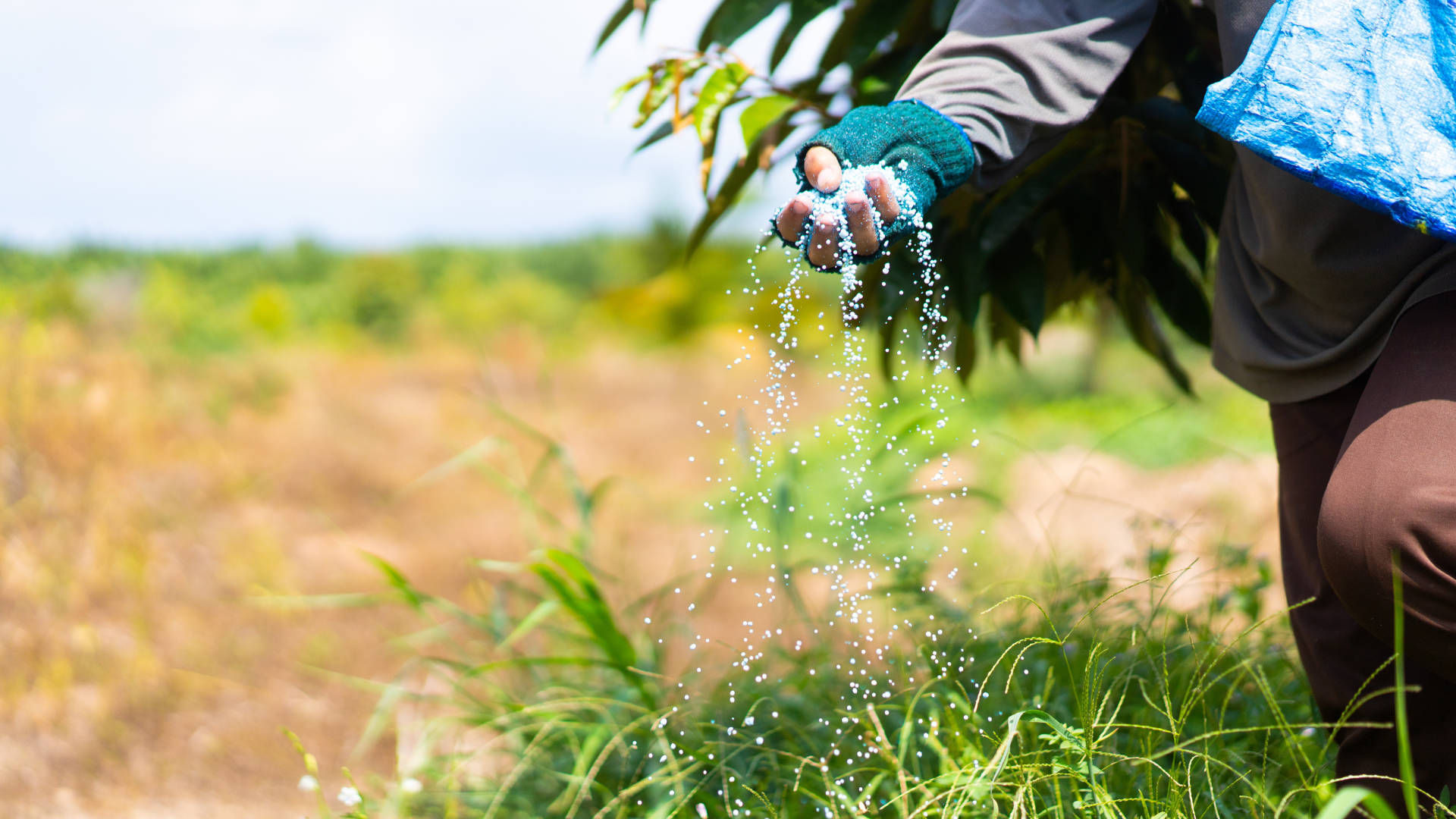
The sharp rise in fertiliser prices following the outbreak of the Iran conflict is a reminder that food-system risks often emerge beyond the farm gate. The latest disruption did not originate in crop production itself, but in energy markets, trade flows and fertiliser supply chains that underpin agricultural production. Higher fertiliser costs can ultimately affect agricultural production by reducing fertiliser use, changing planting decisions and lowering crop yields. According to analysis conducted by Economist Intelligence Unit (EIU), urea prices surged by about 56% between March and mid-April 2026, rising from aroundUS$462/tonne to a peak of $720/tonne, as concerns over Middle Eastern supply disruptions intensified.
The price spike proved short-lived. Urea prices have since fallen by more than 45% from their peak, supported by lower energy prices, China's resumption of urea exports and improving global supply availability. Yet the episode offers important lessons about how modern food systems absorb, transmit and adapt to shocks.
The disruption also coincided with key planting and fertiliser-application periods for several crops, leaving farmers with limited scope to adjust input use in response to higher prices. US maize producers were particularly exposed, as planting and nitrogen application coincided with elevated fertiliser prices. In Thailand, some rice farmers responded to higher costs by cutting fertiliser-application rates, while India entered the kharif planting season amid concerns over fertiliser availability. Although comfortable stock levels cushioned the shock initially, those buffers have since been drawn down, reducing the capacity to absorb further supply disruptions.

Source: EIU calculations based on Intercontinental Exchange (ICE) and Chicago Board of Trade (CBOT) data. Copyright © The Economist Intelligence Unit 2026. All rights reserved.
Unlike the food-price crisis that followed Russia's invasion of Ukraine in 2022, this was not a direct food-supply shock. During the Russia-Ukraine war, markets faced the prospect of losing grain exports from two major agricultural producers, alongside fertiliser exports from Russia—the world's largest fertiliser exporter. The result was immediate shortages of both food and fertiliser supplies, causing agricultural prices to rise sharply.
By contrast, the Iran conflict initially threatened food systems indirectly, through energy and fertiliser markets. Higher oil and natural-gas prices raised production, transport and irrigation costs across agricultural supply chains, and increased the cost of producing fertilisers. The Gulf region accounts for roughly one-third of global fertiliser production and trade but is a net importer of food products. As tensions escalated, concerns centred on fertiliser affordability and availability rather than the immediate availability of food itself. China's restrictions on its urea exports further amplified fears of tighter global supplies.
The risk was not an immediate shortage of food, but the possibility that higher input costs would affect planting decisions, fertiliser-application rates and ultimately crop yields. Agricultural markets responded accordingly. During the first 161 days of the Iran conflict, from 27 February to 6 August 2026, grain and oilseed prices rose by an average of 11.6%, compared with 18.4% during the equivalent period following Russia’s invasion of Ukraine in 2022.

Sources: EIU calculations based on CME and Haver Analytics data. Note: Price changes are measured over the 161-day duration of the Iran conflict (February 27th-August 6th 2026) and an equivalent period following the onset of the Russia-Ukraine war. Copyright © The Economist Intelligence Unit 2026. All rights reserved.
Resilience comes from buffers and adaptation
The fertiliser shock highlighted an often-overlooked source of resilience within food systems: the combination of adequate inventories, diversified supply sources and the ability of producers and markets to adapt quickly when conditions change.
Unlike in 2022, global agricultural markets entered the 2026 shock from a position of relative strength. Crop inventories were broadly adequate, production prospects remained favourable and there was no direct threat to global food exports. These buffers helped limit the pass-through from higher energy and fertiliser costs to food prices.
Producers also adapted quickly. In the US, higher nitrogen costs encouraged some farmers to favour soyabeans over maize, reflecting soyabeans' lower fertiliser requirements. In parts of South-East Asia, concerns emerged over fertiliser affordability among rice farmers in Thailand and the Philippines. Meanwhile, some Brazilian producers explored alternative nutrient blends and lower-cost fertiliser options to manage rising costs.
These responses highlighted how quickly agricultural producers adapt to changing economic conditions. They also underscored an important reality for food systems: fertiliser affordability can matter almost as much as fertiliser availability. Even when supplies remain accessible, elevated costs can influence planting decisions, crop choices and expectations for future yields.
However, supply concerns eased almost as quickly as they emerged. China's decision to resume urea exports improved expectations for global fertiliser availability, while India's latest fertiliser-import tender was heavily oversubscribed, signalling that global supplies remained more comfortable than was initially feared. Together with lower energy prices, these developments helped reverse much of the earlier rally.
The lesson is not that food systems were immune to the shock, but that resilience came from a combination of buffers and adaptability. Inventories bought time, while flexible producers and responsive markets prevented a fertiliser shock from becoming a food shock.
The next test may come from weather
While fertiliser-related concerns have eased, risks to agricultural production have not disappeared. Instead, attention is increasingly shifting towards weather-related risks. The US National Oceanic and Atmospheric Administration (NOAA) formally declared El Niño conditions in June 2026, bringing weather-related risks back into focus just as several major crops enter critical planting, development and harvest periods. Markets are now increasingly focused on probable “super El Niño conditions” developing during the 2026/27 crop cycle. The implications are unlikely to be evenly distributed, with crops and regions exposed to drought and weaker monsoon rainfall facing the greatest risks to production and yields.
Rice remains one of the most exposed markets. Higher fertiliser, fuel and freight costs continue to weigh on production economics, while El Niño poses risks for major Asian producers, including India, Thailand, Vietnam and Indonesia. Wheat markets are becoming increasingly sensitive to weather developments, particularly in Australia. Meanwhile, palm-oil and sugar production could also come under pressure if drier conditions materialise across parts of South-East Asia and the Pacific.

© OpenMapTiles © OpenStreetMap Source: International Research Institute for Climate and Society. Copyright © The Economist Intelligence Unit 2026. All rights reserved.
The 2026 fertiliser shock highlighted both the vulnerabilities and strengths of modern food systems. Energy markets, trade policy, geopolitics and climate increasingly shape food production and affordability, often in ways that extend far beyond agriculture itself. Strong inventories, diversified supply chains and rapid producer adaptation helped prevent this disruption from escalating into a broader food crisis. The challenge now is to strengthen those resilience mechanisms before the next shock arrives.