


Beginning in 2019, an initiative to protect 30% of the planet’s land and waters by the year 2030 has gained traction, with nearly 200 countries agreeing to this target at the 2022 United Nations Biodiversity Conference. This global commitment holds a world of promise for ocean conservation and restoration unlike any other. Protecting marine areas benefits marine life and allows fish populations to rebuild. These benefits can even extend beyond the boundaries of the marine protected area (MPA), improving the health of marine ecosystems and fish abundance in an even larger marine area.
As ocean nations, conservation organisations and other stakeholders race to meet this deadline, it is critical that marine protection includes prevention of destructive bottom trawling, which undermines many of these benefits, leaving many ocean ecosystems devastated, with some unable to recover for decades or centuries.
Bottom trawling is the indiscriminate bulldozing of the ocean floor with massive, heavy trawl nets pulling up everything in their path. This practice destroys vital habitat, tearing up important spawning, breeding, feeding and nursery areas. This has devastating impacts throughout marine ecosystems, resulting in huge losses of abundance and biodiversity.
Bottom trawling is also wasteful. As much as 87% of the marine life pulled up in these massive nets is discarded, usually dead or dying, back into the ocean. For a pound of seafood that was caught in a bottom-trawl net, there could be nearly nine pounds’ worth of other animals tossed overboard. There are other more selective and targeted methods of fishing that are far more efficient, with less than 10% waste.


After bottom trawling has cleared the sea floor, it can take decades for populations to recover. For some species, like slow-growing and long-lived corals and sponges, it can be centuries.
This long-term destruction and waste equate to a clear lack of protection for the so-called “protected” marine areas. When the devastating fishing practice of bottom trawling occurs, those areas are simply not protected, and should not be counted towards the 30 by 30 target. Allowing bottom trawling in a “protected” area is about as effective as cutting down the forests but prohibiting hunting—as if forest-dwelling species can survive after their habitat is destroyed.
Bottom trawling, both legal and illegal, has been, and is still being allowed to occur in areas designated for marine protection. Just this week, our team in the UK uncovered 33,000 hours of apparent bottom trawling in MPAs in UK waters in 2023. This follows a 2022 analysis revealing that MPAs in Spain were subjected to 600,000 hours of apparent bottom trawling in 2021, almost nine times more intensive than in the waters outside of the MPAs.
While the 30 by 30 commitments will drive meaningful protections, where bottom trawling continues such areas will not be truly protected. Paper parks may make governments look good, but no one should be fooled. These areas are not protected. We must embrace the spirit and promise of 30 by 30 by establishing agreed-upon minimum criteria and those must include prohibiting bottom trawling. The International Union for the Conservation of Nature already has guidelines that define a marine protected area as one that does not allow bottom trawling or other types of industrial extraction. We should look to those guidelines as a starting-point.
Protecting 30% is a massive step towards restoring Earth’s ecosystems, and we must ensure it delivers strong MPAs that ban bottom trawling if we want meaningful outcomes and measurable benefits for important and vulnerable ecosystems.
Getting this right is important. Across the world, 740m people depend on healthy oceans for their nutrition and livelihoods. With proper protections and management in place, we can restore ocean abundance and biodiversity to the point where it could provide 1bn healthy seafood meals every day, indefinitely.
What a gift we have in our oceans. It would be a shame to celebrate protecting a third of it while we are in fact letting much of it be swept away under the crushing weight of voracious trawls.
Views or opinions expressed are those of the author and any individuals cited, and do not necessarily reflect those of Economist Enterprise or any other member of The Economist Group.
Header image: Unsplash
Perils of the deep
Deep sea mining poses significant environmental risks, disrupting fragile ecosystems and habitats that have evolved over millennia. Sediment plumes generated by mining activities can smother marine life, while the release of toxic chemicals can contaminate the water and harm biodiversity. The long-term impacts of deep sea mining remain largely unknown, raising concerns about irreversible damage to our planet's last untouched frontier.

Don’t buy the greenwashing – we don’t need deep-sea mining
A guest blog by Dr Dan Kammen, professor of energy at the University of California, Berkeley

International Seabed Authority under pressure over deep-sea mining impacts
The International Seabed Authority (ISA) is under increasing pressure from environmental campaigners over the potential impacts of the nascent deep-sea mining industry. The World Ocean Initiative reports from the ISA’s annual meeting in Kingston, Jamaica.
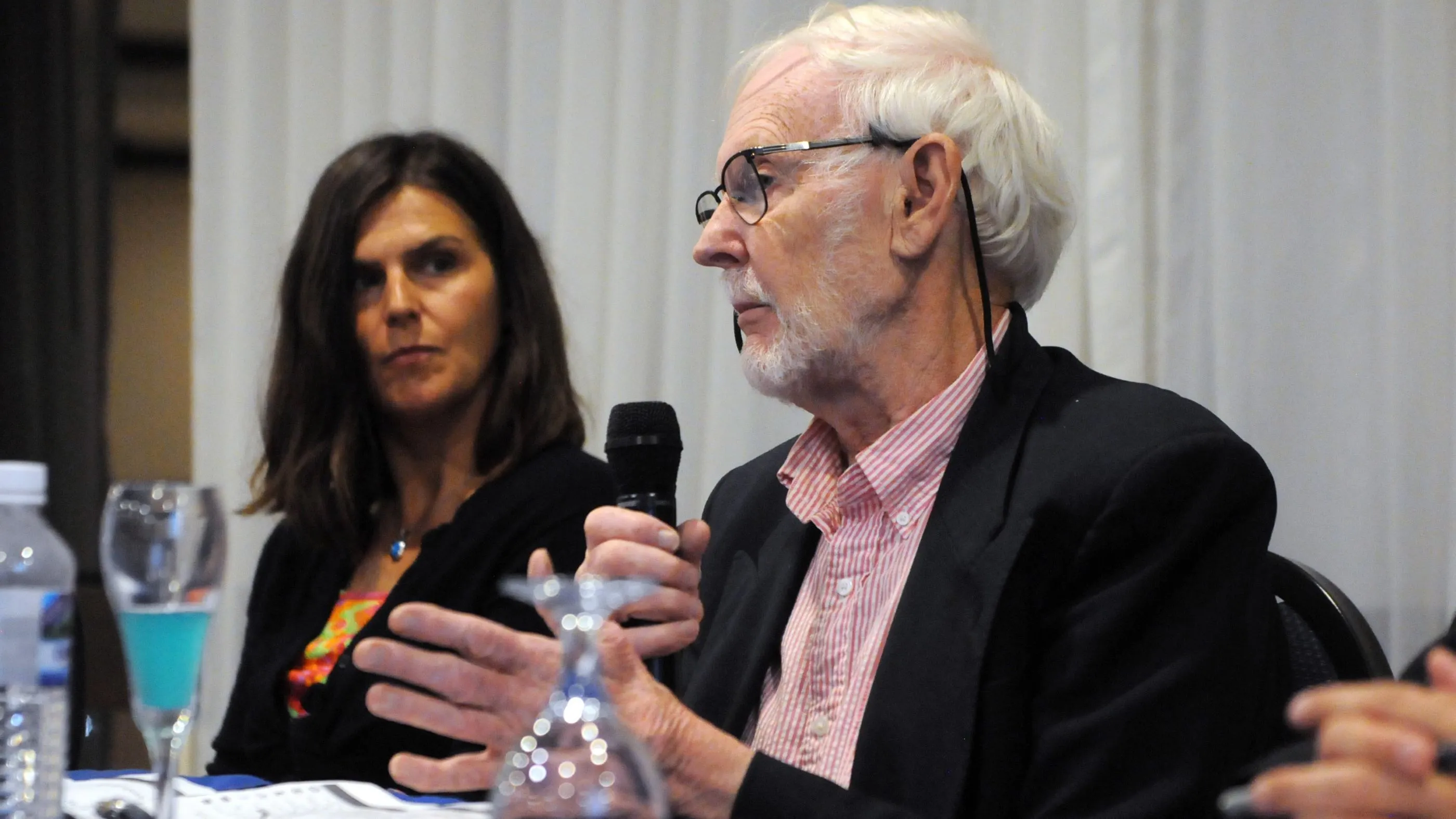
Impressions of a scientist at the ISA: March 30th 2024
29th session of the International Seabed Authority—Reflections on the debate about deep-sea mining by Dr Michael Norton, European Academies Science Advisory Council (EASAC)

Invest in marine protected areas, say ocean conservationists
Sir David Attenborough is among the conservationists calling for a global treaty to protect the ocean as well as investment in ecosystem restoration and sustainable fisheries.